
Stand on the seawall at the end of a residential street on the north edge of the city and the far shore is not there. Lake Pontchartrain is wide enough that the opposite bank sits under the curve of the earth, so the water reads as sea: grey-green and choppy by lunchtime, flat and gold by six, with pelicans working the shallows a few feet from the concrete. It is the largest open space in New Orleans, most of it costs nothing, and the half-day you spend on it will look nothing like the half-day the person in the next hotel room spends.
Working out which lake you are actually going to see
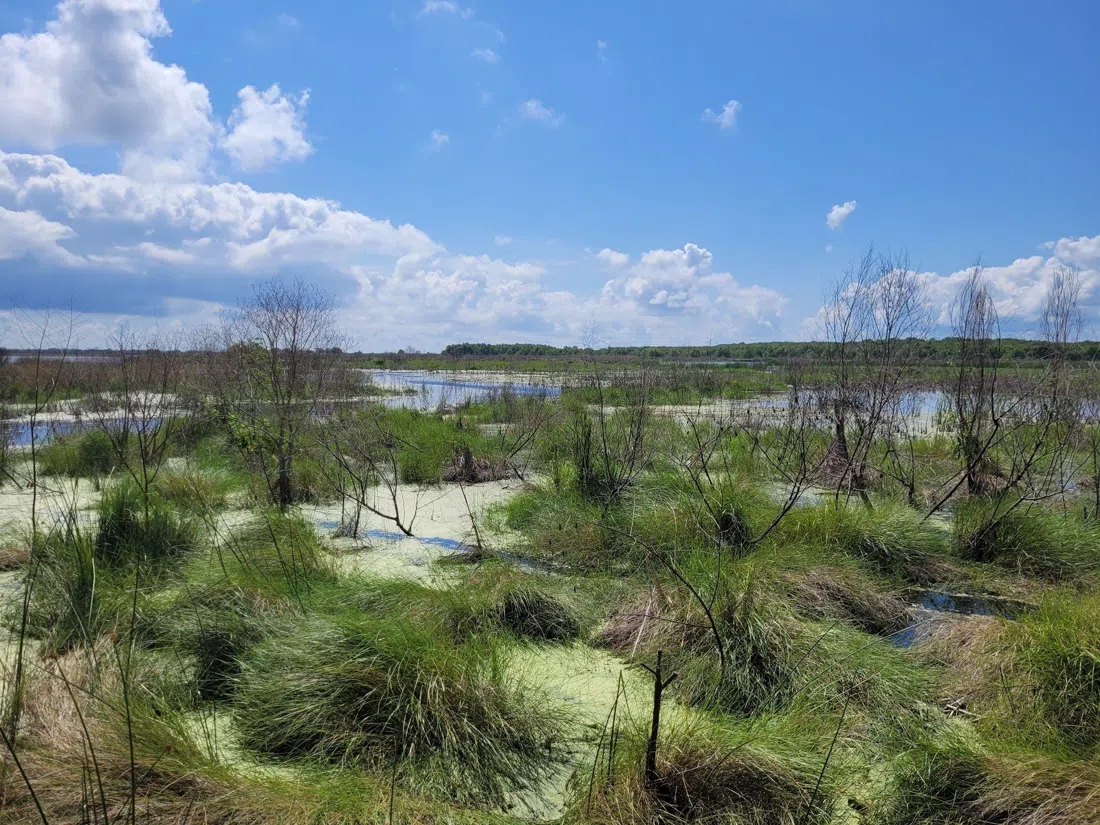
One piece of orientation saves people a wasted afternoon: most guided boat trips sold under the lake's name do not go on the lake. They run in the swamp systems that feed it, the Honey Island and Pearl River country out to the east, or the bayous south of the river, and they are genuinely good, but what you see is cypress, duckweed and alligators, not open water. The lake itself is the seawall, the marinas at West End, the causeway and the sand beach on the north shore. Both are worth your time; half a day does one of them properly and neither of them if you try to stitch them together.
So decide first: horizon and wind, or cypress and engine noise. Everything below is grouped so you can pick a lane and go, and the wider New Orleans guide covers what to do with the other half of the day once you are back in town.
The free spine on the south shore
Lakeshore Drive and the Mardi Gras Fountain (the Lakefront, north of City Park) is the default anchor, and for a lot of visitors it is the whole trip. It gives you about 5.6 miles of public seawall and park with no gate, no door policy and no ticket, and the fountain with its krewe plaques sits roughly midway along. Parking is roadside, which means it spreads out and gets thin at busy times, so drop someone at the fountain and let the driver find a gap rather than circling as a group. Late afternoon is the moment: the wind usually drops and the light comes off the water rather than into your eyes.
On the Metairie side, Bucktown Harbor and Marsh Boardwalk (Bucktown, beside the old fishing fleet) is the best free half-hour on the lake. A thousand feet of boardwalk runs out over 3.4 acres of restored marsh, with interpretive signage written by the same conservancy that runs the lighthouse, and the working harbour alongside gives you the reason this whole shoreline exists. It handles a walking group easily. No dogs on the boardwalk, so plan around that if yours is coming.
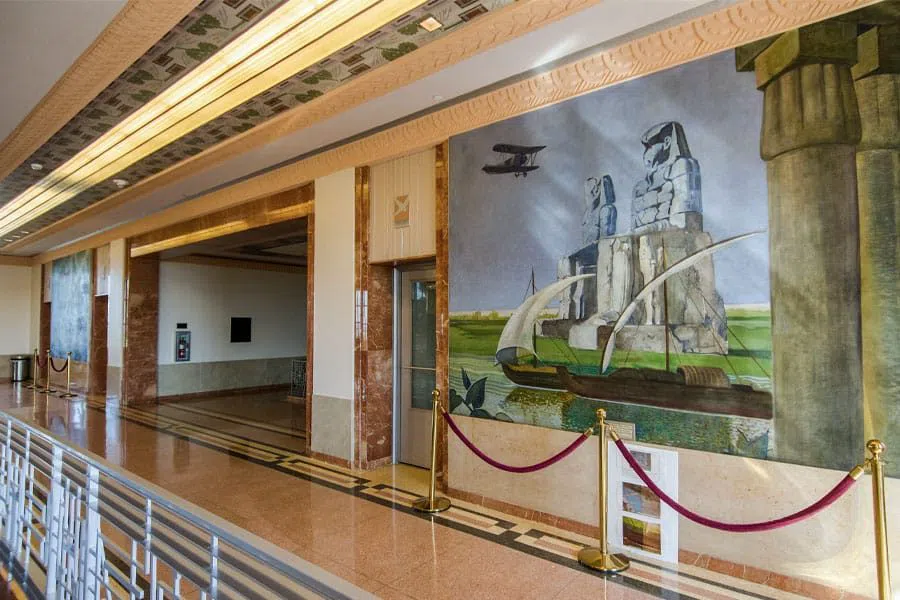
The oddest free stop is New Orleans Lakefront Airport terminal (eastern Lakefront), a 1934 art deco terminal restored for $17m after Katrina. You walk in off the car park, no boarding pass and no security line, and the building is the exhibit: the murals, the fountain, the stair rails, the whole 1930s idea of what flying was going to feel like. Messina's Runway Cafe sits inside it and is closed Mondays and Tuesdays, which catches people out; blue plate lunches run around $15.95 and the weekend brunch buffet is about $39.95 for adults. Walk-ins are welcome but reservations are preferred, and the terminal's event rooms mean large parties are routine here rather than a favour.
Going inside a landmark instead of photographing one
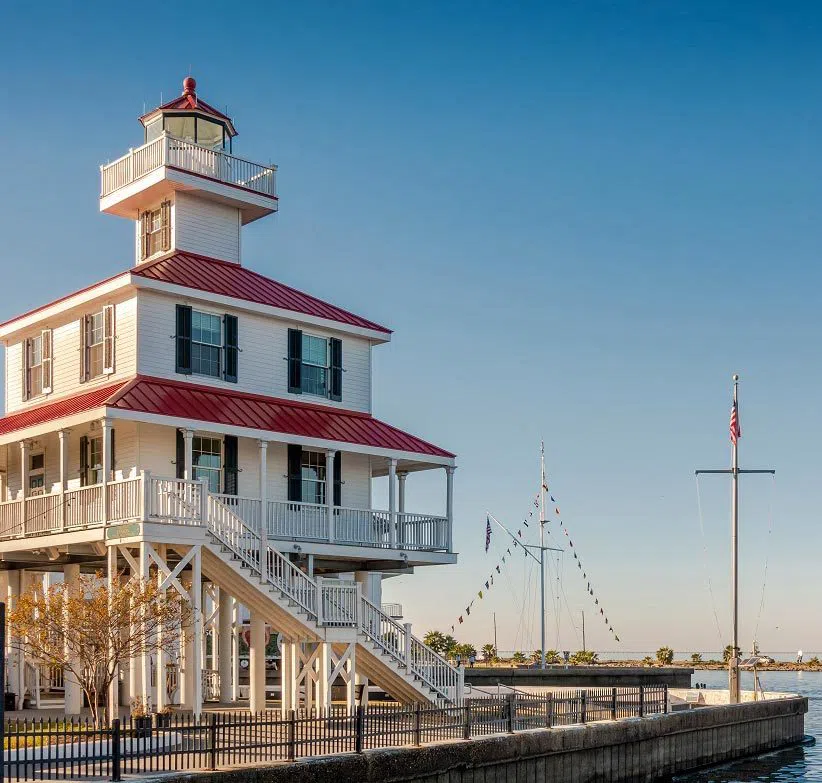
New Canal Lighthouse Museum and Education Center (West End, at the mouth of the outfall canal) is the only place on the south shore where you get inside a lake landmark rather than looking at it from a seawall. It is run by the Pontchartrain Conservancy, and the exhibits treat the lake as a system (coastal loss, water quality, the storms) rather than telling a nostalgic lighthouse-keeper story. Admission is $10 for adults, $7.50 for seniors, students and military, free under 6. It is wheelchair accessible throughout and there are printed guides in Spanish and German.
Two things matter for planning. It opens Tuesday to Saturday, 10am to 4pm, and nothing else on this shoreline has hours that tight, so it is the single stop that can wreck a Sunday or Monday itinerary. Groups of any size are taken by arrangement, but as a booked education programme running two to three hours, which is a different thing from a drop-in visit and needs organising in advance rather than turning up with fifteen people.
Out on the lake itself
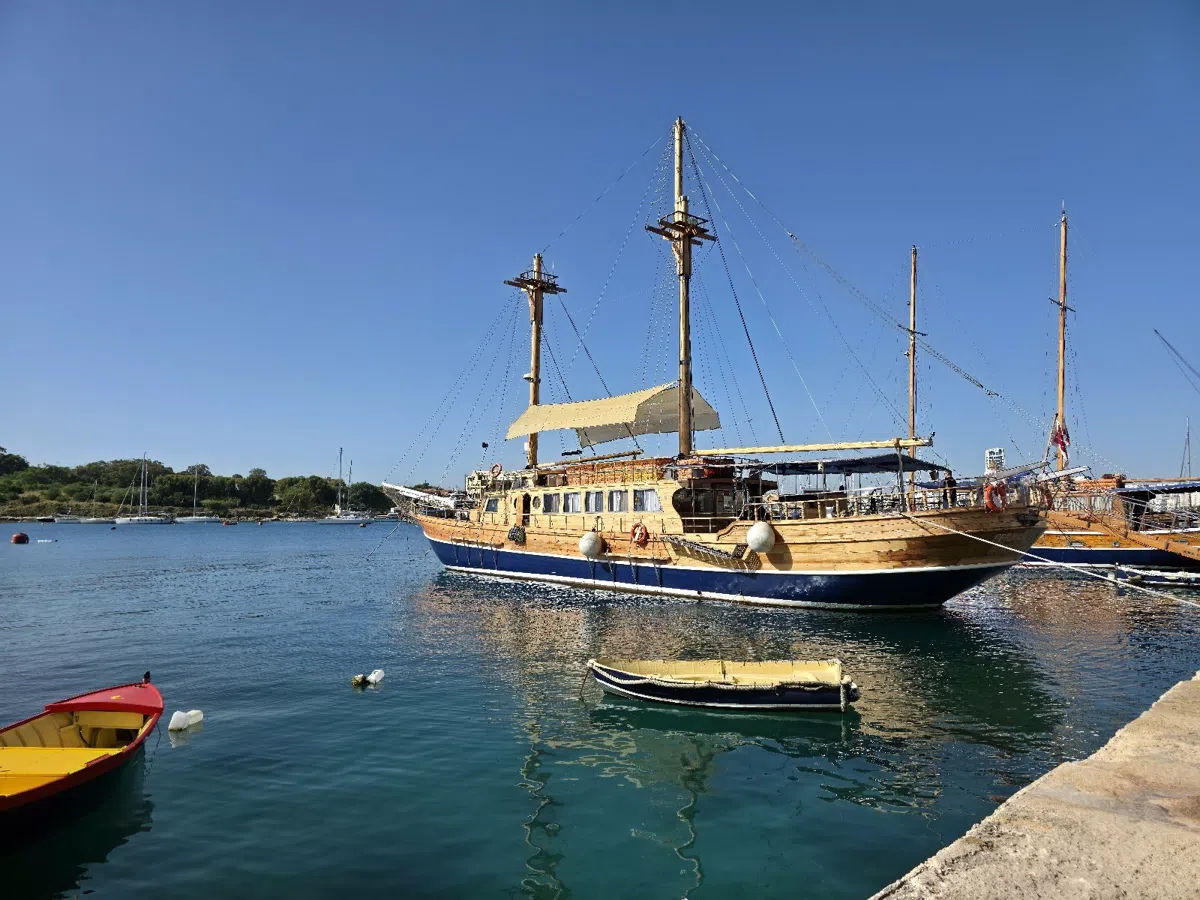
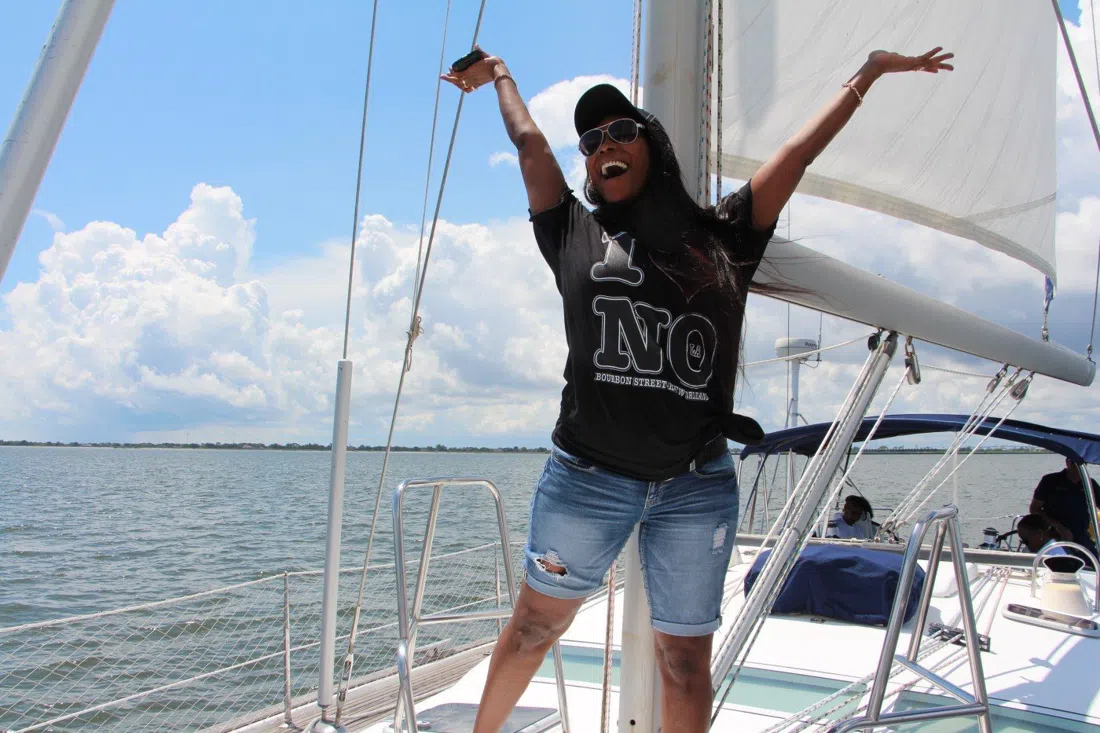
If you want to be on the water rather than beside it, New Orleans Yacht Experience (sailing from the West End marina) is the one way to do it. The cap is hard: six guests per boat. That makes it excellent for a couple or a family and useless for anything coach-sized. Shared Sunset Social sails run roughly $99 to $149 per person and are 21+; a private charter for up to six is $399 to $449. Locals take the Wednesday evening slot, when the sailing races are out and you are watching a fleet manoeuvre rather than an empty horizon. Expect wind, because this lake is shallow and gets lumpy quickly, so it suits people who are fine with motion rather than people who need a stable deck.
The swamp boats and what separates them
The boat trips are what most visitors here actually book, and they differ from each other more than the marketing suggests. Across the bookable trips in this area there are 18,658 traveller reviews, with the most popular one rated 4.9 out of 5 from 7,105 of them, and it runs seven days a week. Prices start from 76 USD per person for the versions that include transport from town.
Cajun Encounters Swamp Tour (Honey Island, out at Slidell on US-90) is the most straightforward. Standard boats take up to 22 people at $39.99 each; the small-boat option is 10 to 12 passengers at $99.99 and is 13+ only. Departures are at 9.30, 12.15, 2.45 and 5, you are afloat for about two hours, and it is roughly 45 minutes each way from the Quarter, so a 12.15 departure takes the middle of your day rather than a corner of it. Hotel pickup from selected French Quarter and downtown hotels is an add-on of about $30 per person. Worth knowing: the long-running Dr. Wagner's Honey Island dock at the same address is the same operator, so if you are comparing the two you are comparing one company with itself.
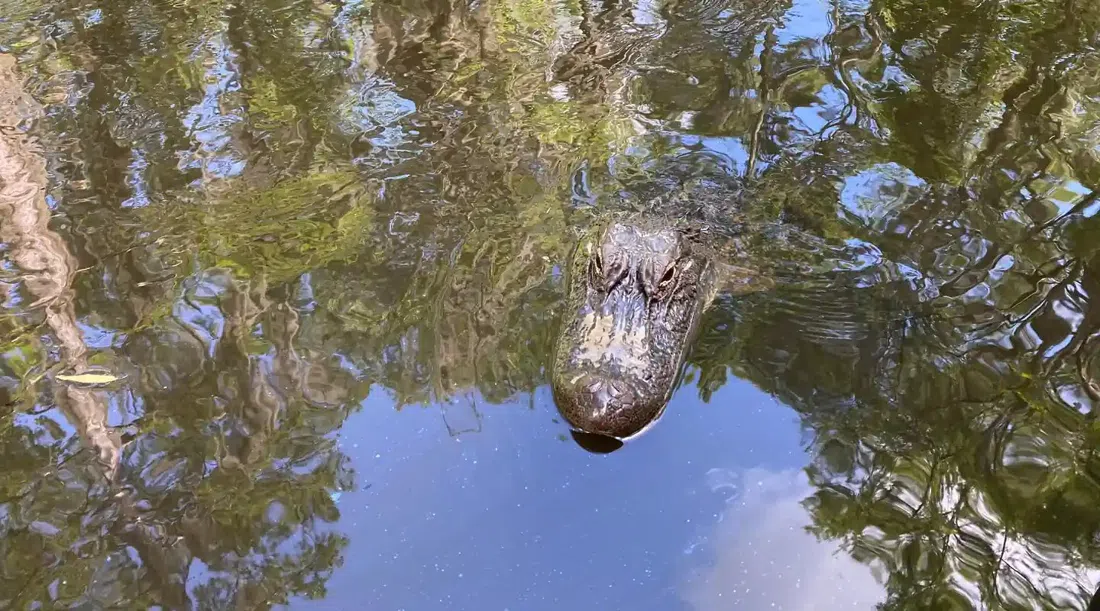
Pearl River Swamp Tours (same Hwy 90 stretch, same dock area) is the value option if you are driving yourself, at roughly $31.50 for an adult, rising to about $59.75 with hotel pickup from New Orleans; a small-boat charter is around $93.75 per person. Daily boats take up to 22, the VIP boat up to 12. Older listings and maps still call it Pearl River Eco Tours, same dock and same phone number. The smaller hulls do get further into the back sloughs than the big covered boats can.
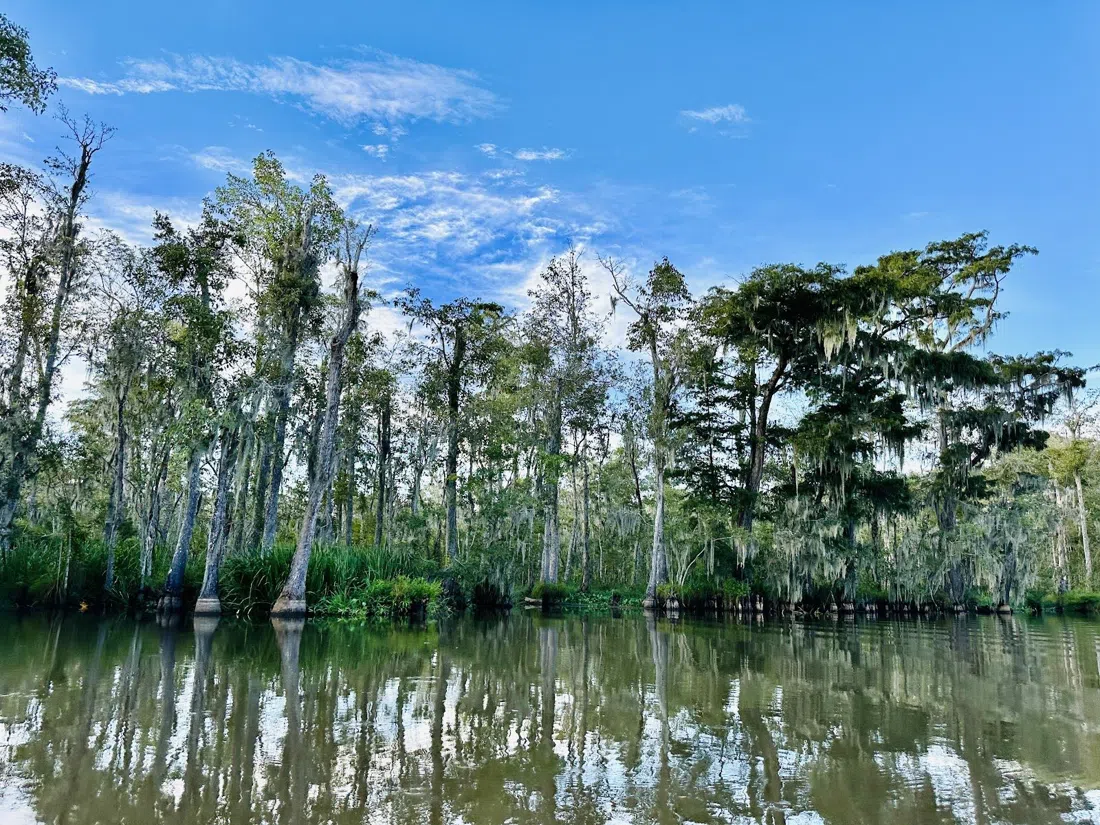
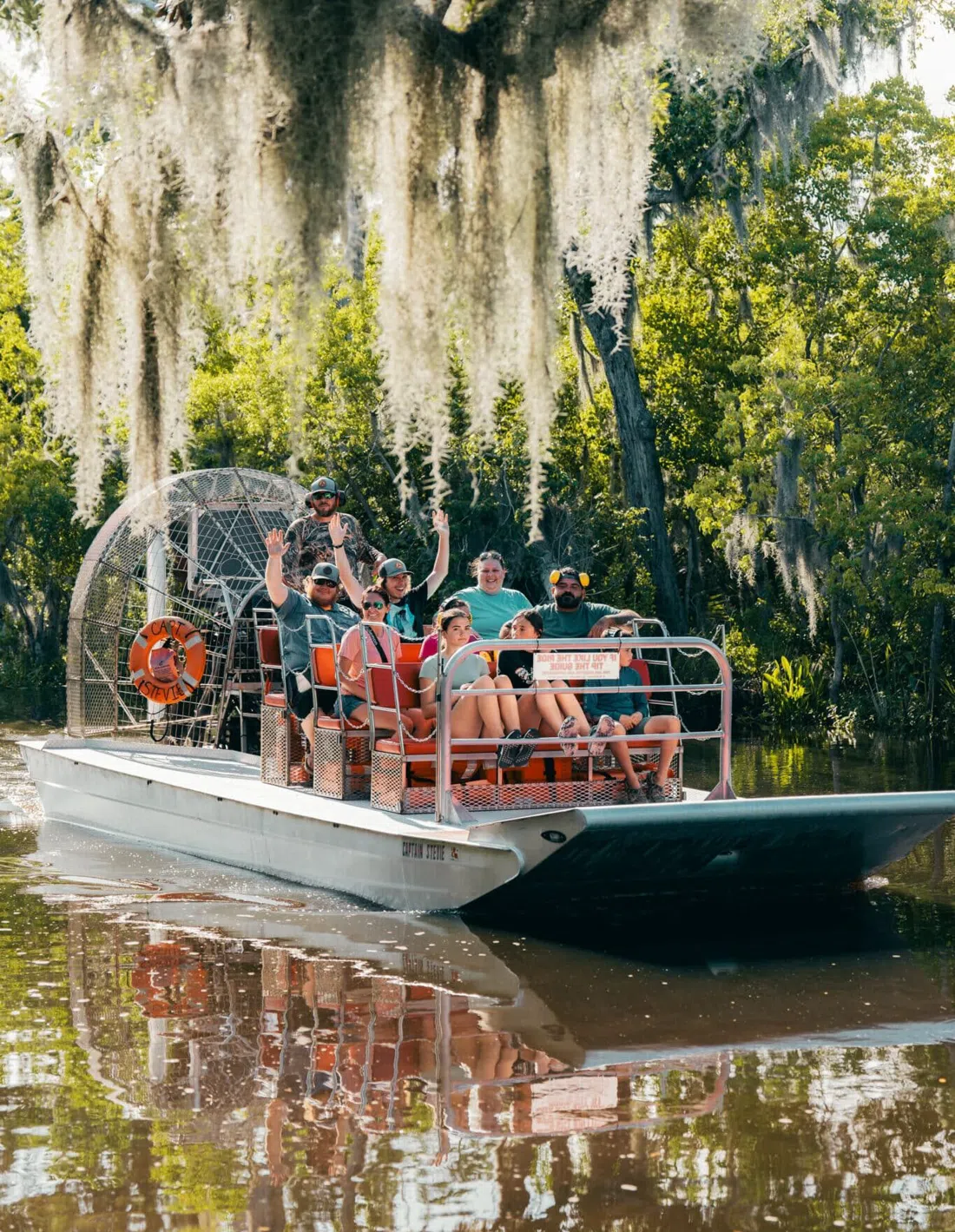
Airboat Adventures (Lafitte, south of the city, not on the lake at all) is the loud, fast counterpoint. Budget about 45 minutes each way in the other direction. The large airboat seats up to 30 and the pontoon up to 72, which makes this the only realistic option here for a coach-sized party; small boats take 6 to 10. Pontoon trips are $35 adult and $15 youth, large airboats from $59 per person, small airboats from $89, premium from $119, with hotel pickup at $30 per person on top. Minimum age is 5. You will wear ear defenders and you will not hear many birds, which is the trade, and some people love it.
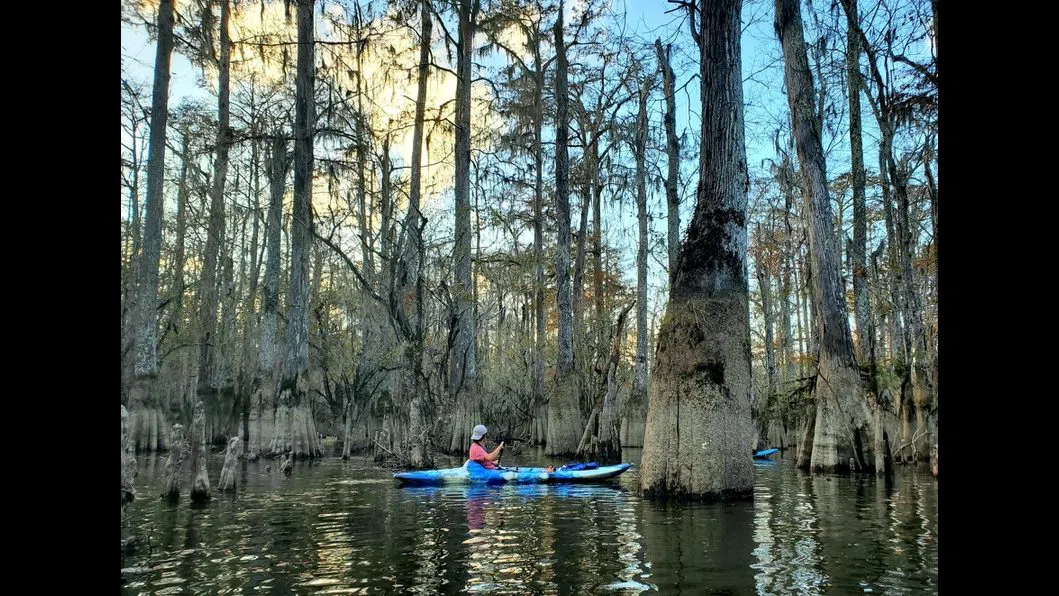
Honey Island Kayak Tours is for the opposite instinct: the swamp without an engine. Deliberately small groups, 2.5 hours on the water, $65 for adults and $35 for children 6 to 12, minimum age 6. There is one daily launch at 11am in the quiet months and up to three departures between February and October. Transport from the city is arranged by phone in advance rather than run as a standing shuttle, so call before you assume you have a ride.
On booking: the popular departures run every day of the week, so you rarely need to plan weeks out, but the specific slot you want (the small boat, the early launch, the one with pickup from your hotel) is the part that goes. Book the slot ahead, and if you are driving yourself, confirm the dock address rather than the operator's town, because several of them share one stretch of highway.
Swamp scenery without paying for a boat
Bayou Sauvage Urban National Wildlife Refuge (New Orleans East, still inside the city limits) is the cheapest credible substitute if you skip a boat entirely. It is one of the largest urban wildlife refuges in the country, free, open in daylight hours, no booking. The Ridge Trail with its new boardwalk and observation deck reopened after a long construction closure, and there are restrooms and a picnic pavilion, which is what makes it workable for a group rather than just a pair of birders. Dogs on leads, no drones, no feeding the wildlife. You will not get the guide's commentary or the close-up alligator, but you will get the landscape for nothing.
Crossing to the north shore
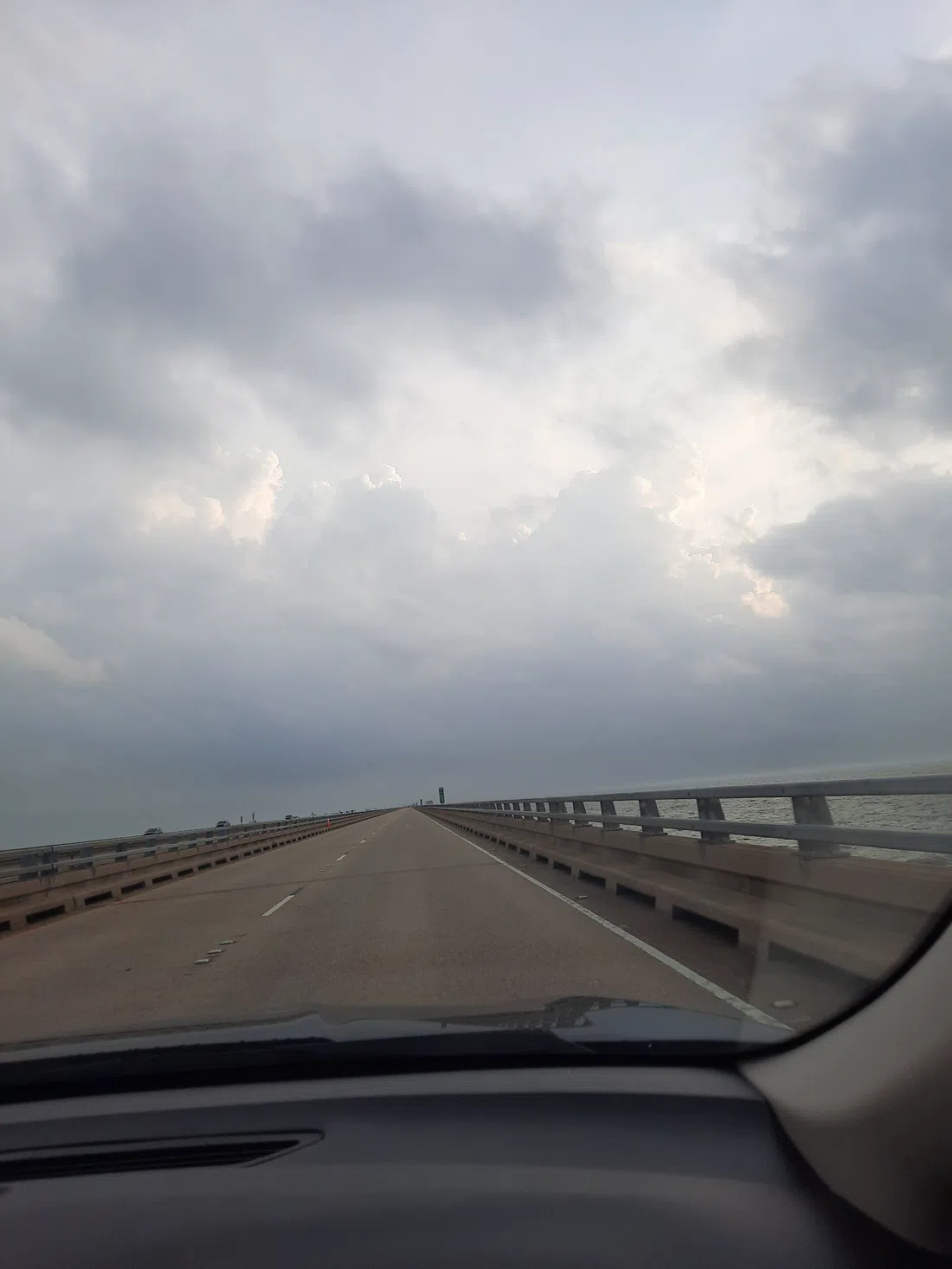
The Lake Pontchartrain Causeway is nearly 24 miles of concrete and the world's longest bridge over water, and it is drive-through only: no stopping, no pedestrians, no cyclists, no pulling over for a photo. The toll is collected on the north side only, so the northbound crossing is free and the return leg is what you pay for: $6.00 cash or card for a two-axle car under 7 feet, $3.40 with a toll tag, and $11.00 (or $10.25 tagged) for anything over 7 feet, which catches coaches and tall minibuses. Allow half an hour each way, and for about eight minutes in the middle you can see no land in any direction, which is the whole of the experience.
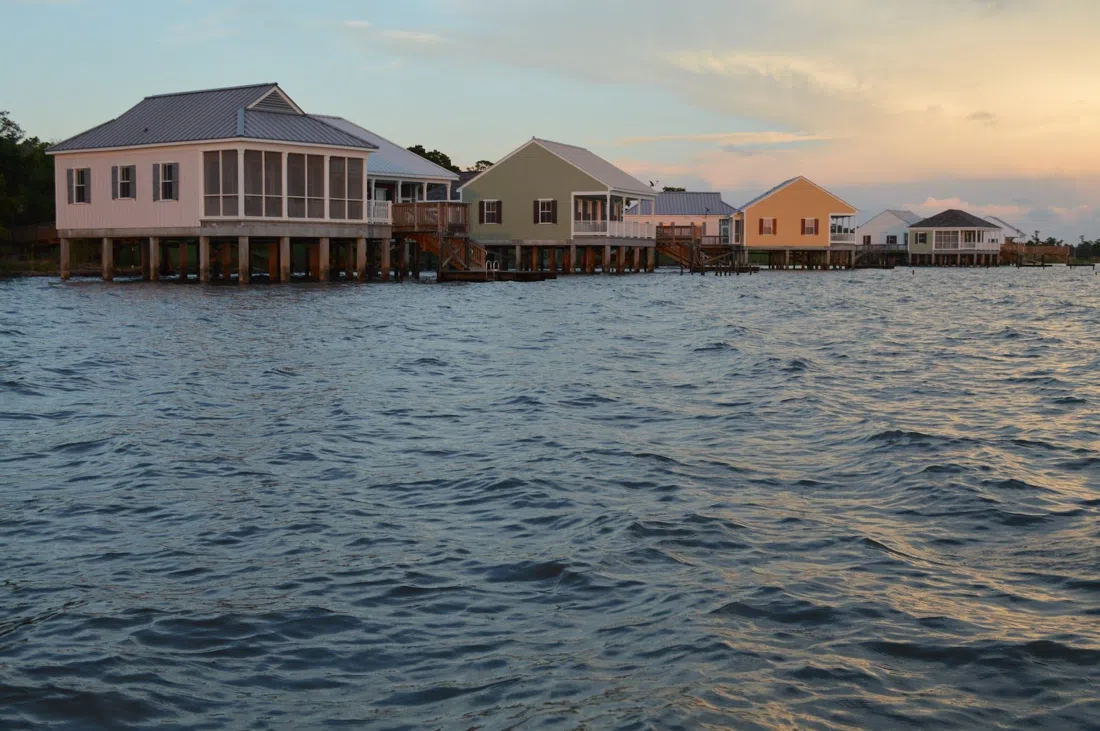
The payoff on the far side is Fontainebleau State Park (north shore, on the edge of Mandeville): a genuine sand beach on the lake, the ruins of an 1829 sugar mill, and a nature trail, for $3 per person and free for over-62s and under-4s. It is open 7am to 9pm, but the entrance station is only staffed until 5pm Sunday to Thursday, so arrive later and you are working out the honesty box rather than buying a ticket. Pavilions take up to 100 people at $120 a day and group camps are bookable, which makes it one of the few genuinely group-friendly stops on the lake.
Mandeville Trailhead and the Tammany Trace (Old Mandeville) is the cleanest way to turn a causeway crossing into something you actually did. It is an open public park, 7am to 10pm, free, with a bike rental stand across the street and the Trace running off it along the old railbed toward Lacombe. Friday evening concerts and the Saturday morning market absorb a group without anyone having to book anything, and the lakefront seawall is a few minutes' walk away.
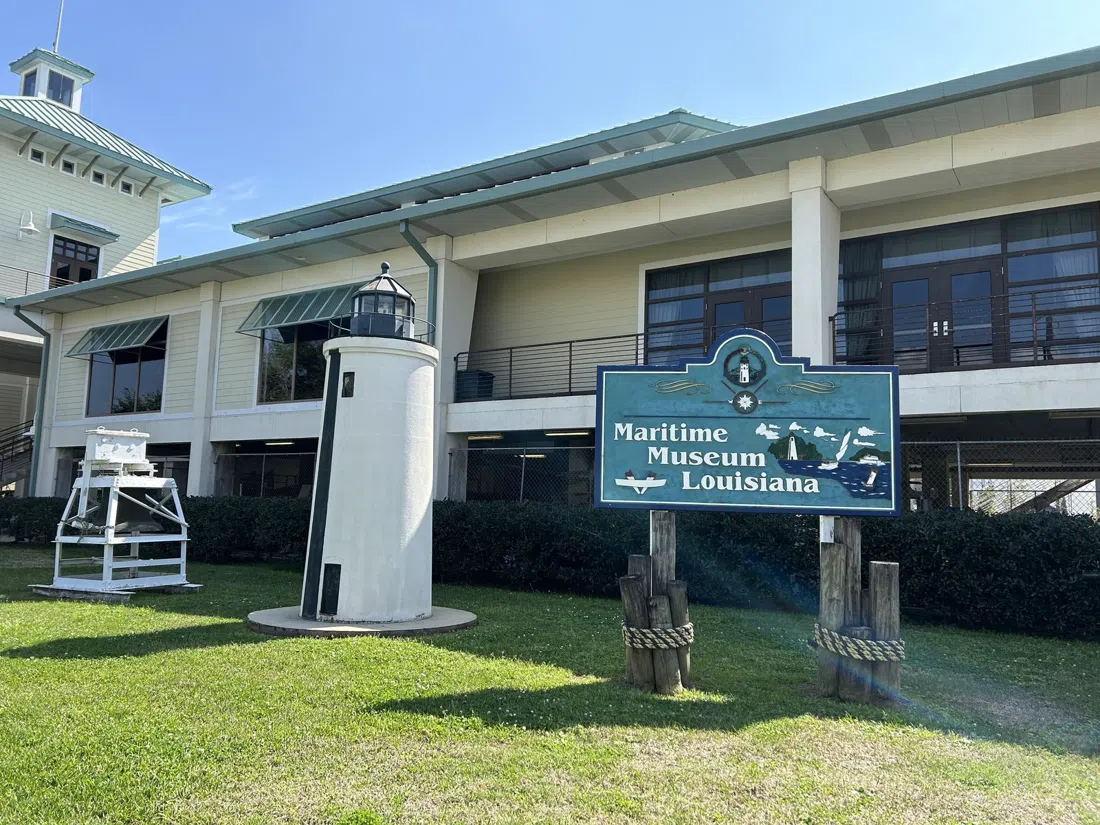
Maritime Museum Louisiana rounds it out, and it is the best explanation anywhere of how this lake was actually worked: the boats, the trade, the people who made a living on it. Admission is $10 for adults, $8 for seniors and veterans, $6 for students, free under 6; parking is free and the building is wheelchair accessible; group tours go by reservation. The hours are tight enough to build your afternoon around: Tuesday to Friday 1pm to 4pm, Saturday 10am to 4pm. Older maps still list it under its previous, longer name.
Eating with the water in view
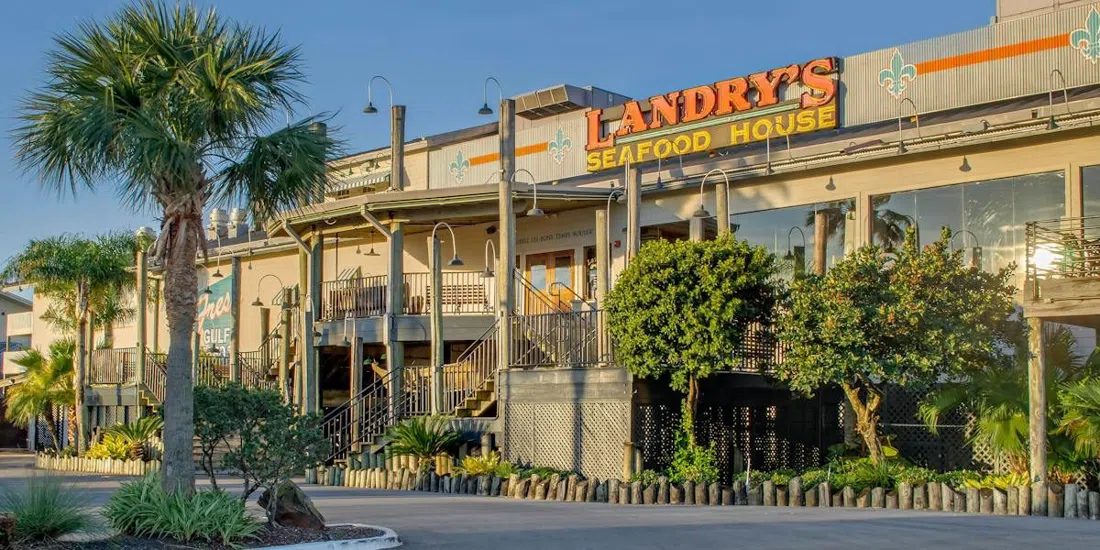
The Blue Crab Restaurant and Oyster Bar (West End) is the more local-feeling of the two seafood houses out here and has the better deck for a sunset over the water. Expect boiled seafood and po-boys, mid-range prices, and live music on selected nights. It is closed Mondays. Landry's Seafood House (Lakeshore Drive) is a chain and priced like one, with entrées roughly $18 to $59, but it is the dependable large-party option: private events and banquets, an automatic 18% gratuity on parties of eight or more, and doors open daily from 11.30am when the independents are dark.
Best time to go
Day of week decides more than season. Monday is the worst day on this shoreline, because the lighthouse is shut, the airport cafe is shut, The Blue Crab is shut and the maritime museum is shut. Tuesday is nearly as bad for the airport cafe. Tuesday to Saturday is the only window where everything ticketed is open at once, and Saturday is the single best day if you want the maritime museum's longer hours and the morning market on the north shore.
Time of day splits by activity. For the swamp, the 9.30 departure gets you back before the hottest part of the afternoon and keeps the rest of your day intact; the 5pm run gives you the quietest light and the fewest boats. For the lake itself, aim at late afternoon: the seawall is at its best when the wind eases, and a sunset sail is the only version of this trip where the timing is the product. Wednesday evening is the sailing-race slot. Friday evening is concerts at the trailhead.
All of it is weather-dependent in the ordinary way. This is shallow water in a hurricane-belt state, so a windy day makes the boats bouncy and a wet one makes the seawall pointless. Check before you drive out, not after.
Is it worth half your day
Yes, with one condition: pick a version and commit. The lake rewards people who want horizon, wind, a landmark drive and a plate of boiled seafood, and it rewards people who want two quiet hours among cypress. The visitors who come away flat are the ones who tried to do a 12.15 swamp departure, the causeway and a sunset sail in the same afternoon and spent most of it in a car.
It suits couples and small groups best on the water side, where the six-guest sailing cap is a feature. It suits families well on the free spine (seawall, boardwalk, airport terminal) where nothing needs booking and nobody has to sit still. It suits large groups on exactly three things: the airboats, Landry's, and the state park pavilions. And if you have one free morning and no car, the honest answer is that a guided swamp trip with hotel pickup is the easiest half-day you can buy here, even though what you will see is the swamp rather than the lake.
Practical close
Transport is the real constraint. There is no useful public route to most of this, so budget for a car or a rideshare each way, and note that rideshares back from the West End marinas and the airport terminal can be slower to arrive than in town. Hotel pickup on the swamp operators runs about $30 per person on top of the ticket and is usually worth it against two rideshares plus the hassle. If you are driving the causeway, either have a toll tag or have $6 ready on the return leg; the crossing north is free. Card works almost everywhere, but carry a little cash for the $3-a-head state park entrance outside staffed hours.
On timing, work backwards from the tightest hours: lighthouse Tuesday to Saturday 10am to 4pm, maritime museum Tuesday to Friday 1pm to 4pm and Saturday 10am to 4pm, airport cafe closed Monday and Tuesday. On budget, a free half-day is entirely realistic, since seawall, boardwalk, terminal and refuge cost nothing but fuel. A museum-and-lunch version lands around $30 to $45 a head. A boat day runs from roughly $32 driving yourself to about $150 with a sunset sail or a small-boat upgrade. Staying near the Lakefront or Metairie shortens every one of these drives considerably, and a New Orleans hotel search will show you how the price shifts once you move off Canal Street.