You leave New Orleans on the river side, and within forty minutes the landscape has flattened into cane fields and a grass levee running like a low green wall beside the road. Houmas House sits at the end of one of those oak avenues that point inland from the water, and in October it does something none of its neighbours manage: it stays open into the evening, long after the other estates have locked their gates and the coaches have gone. Behind the levee, the slow water that made all of this possible is still out there, and you can be on it the same afternoon.
What you walk into at Houmas House
Houmas House Estate and Gardens sits on the east bank of River Road, roughly an hour upriver by car from the French Quarter, tucked behind a levee that hides the Mississippi until you climb it. The mansion tour is guided, runs about an hour, and leaves on the hour and the half hour from 9:30am. That departure rhythm matters more than it sounds: it means a coach party and a couple who turned up on spec get absorbed into the same morning without either standing around. A guide walks you through the house room by room, taking in the sugar fortune that built it, the furniture, the staircase and the long views back down the oak avenue. The telling is theatrical rather than clinical, which some people love and some find a shade too warm for the subject matter.
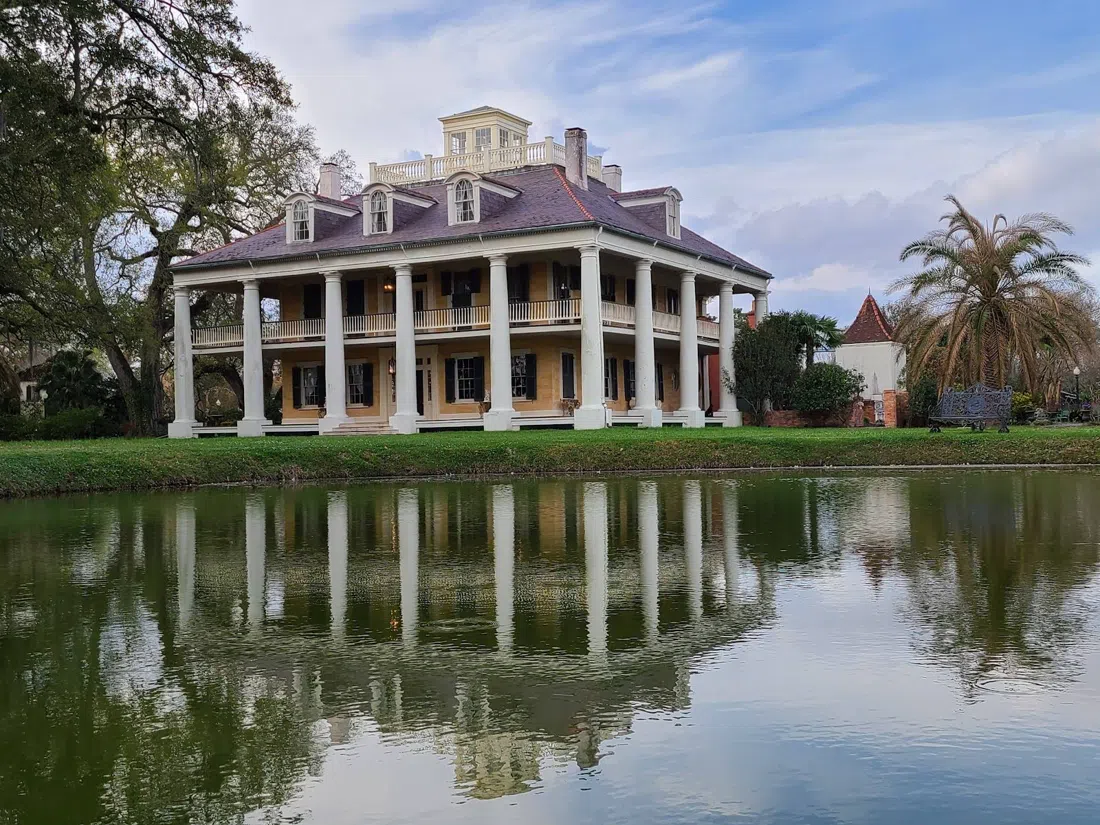
The gardens are the other half of the ticket and, for a lot of visitors, the better half. They are formal in places and loose in others, with fountains, ponds and heavy live oaks that make the heat bearable even when the middle of the day is sticky. At the desk you pay $35 for an adult mansion-and-gardens ticket, $25 for a teenager aged 13 to 17, $15 for a child aged 6 to 12, and nothing for under-fives. A garden-only ticket costs less, which is worth knowing if the house itself isn't your reason for driving out.
The grounds are open 9am to 7pm daily and close only on Christmas Day and New Year's Day. Hold onto that 7pm. Every other estate on this stretch shuts between 4pm and 5:30pm, so the last two hours of a Houmas House day are the quietest hours available anywhere on River Road, and in October they are also the best-lit. Set against the wider New Orleans guide, the estate is the one out-of-town anchor that rewards a whole day rather than a quick detour.
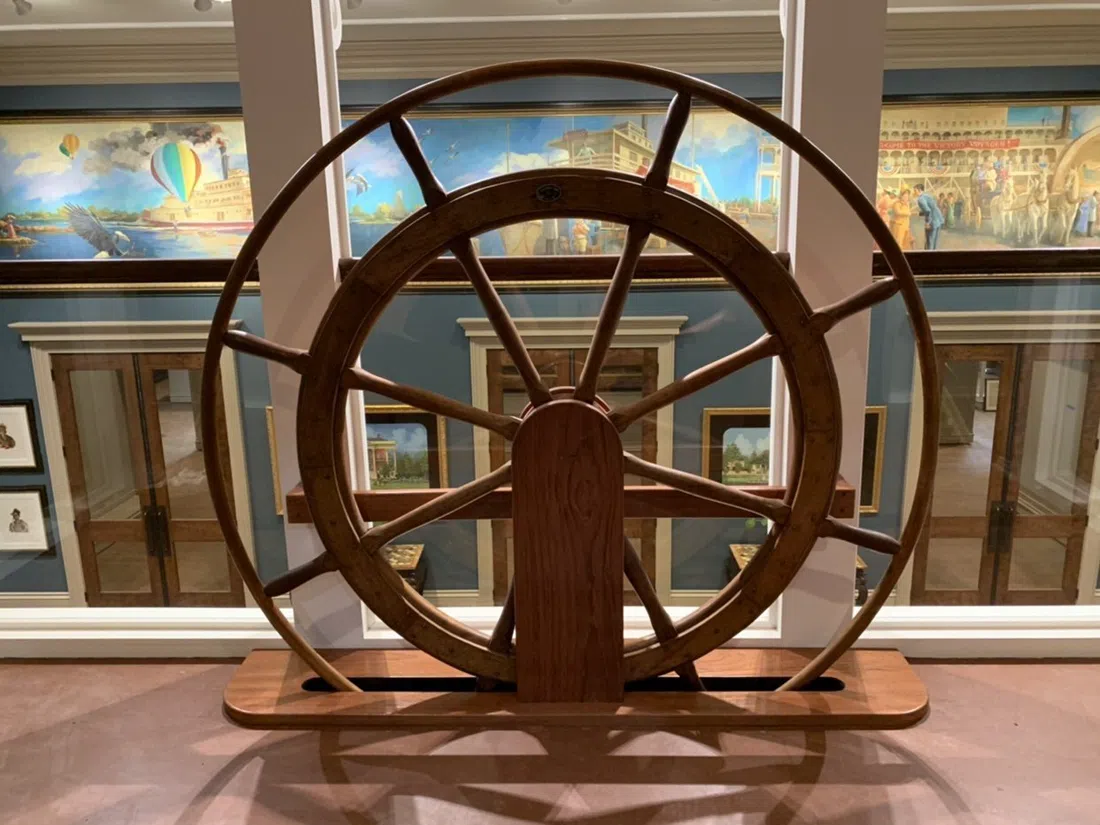
The Great River Road Museum shares the same grounds and the same ticket desk. It opened in 2020 and it is the best indoor explanation you will find of why this stretch of river exists at all: steamboats, levees, the sugar economy, slavery, and the ships that carried the results away. The galleries are self-paced with no timed entry, so groups can drift through at their own speed. Admission is $25 for an adult with the gardens, or $55 for an adult combination ticket that adds the mansion tour. One thing catches people out. The museum shuts at 4pm, hours before the mansion does. If you want it, do it first.
How long the estate really takes
Allow an hour for the guided mansion tour, another forty-five minutes to ninety minutes for the gardens depending on how much you sit down, and forty-five minutes for the museum if you read the panels rather than skim them. That is a comfortable half day, closer to a full one if you eat on site.
The most common mistake is treating Houmas House as a forty-minute photo stop between two other plantations. It isn't built that way. The gardens are what separates it from its neighbours, and gardens need unhurried time and decent light, neither of which you have if you're clock-watching for a coach.
Tickets at the door and when to book ahead
For an independent visitor arriving by car, the door is fine. Tours leave twice an hour, tickets are sold on the spot, and there is no timed-entry system to trip over. If you are bringing a large party, ring 225-473-9380 in advance, because the half-hourly departures absorb groups well but only if the desk knows you're coming.
Guided day trips from New Orleans are a different proposition. They bundle transport out and back, usually lunch, and often a boat, which solves the car problem in one stroke. If you want one, book it before you arrive rather than on the morning: across the bookable tours here there are 2,124 traveller reviews, the top-rated one holds 4.7 out of 5 from 1,255 reviews, and the booking platform flags that top tour as likely to sell out. Those packages start from 279 USD per person, against $35 at the ticket desk. You are paying for the driver, the day's logistics and the meal, so the maths only works if you were never going to hire a car.
Access, rules and who will find it hard going
This is a nineteenth-century house, with the thresholds, floors and staircases that implies. Nothing about that is unusual for a historic property, but it does mean you should ring 225-473-9380 before you drive out if anyone in your party needs a step-free route, rather than discovering the answer at the front door. The gardens are the flatter, easier half of the estate and the part most people with limited mobility enjoy most.
Out on the water the access question is sharper. An airboat is loud and the seating is exposed; a covered pontoon is neither. That distinction decides the day for anyone with hearing sensitivity, a bad back or a child who will not tolerate ear defenders.
The slow water beyond the levee
The estate and the swamp are two halves of one landscape, the same river system, engineered on one side of the levee and left alone on the other. October is a good month to see both, because the worst of the summer heat has gone and the boats are still running every day.
Cajun Pride Swamp Tours, on the Manchac waterways north-west of the city, is the one that slots most cleanly into a Houmas House day. It runs four fixed departures (9:30am, 12pm, 2:15pm and 4:15pm) and asks you to arrive fifteen minutes early. The boat trip lasts ninety minutes, which leaves the rest of the afternoon intact, and it runs through a private wildlife refuge, so sightings are less of a lottery than they are on open public water. Reckon on roughly $30 to $40 an adult, more if you take the optional hotel transport from New Orleans; under-threes go free. It is built for groups and handles them without fuss.

Airboat Adventures, south of the city in the marsh country below it, is the loud counterweight to a formal house tour. It runs two formats, small fast airboats and larger covered pontoons, seven days a week, year-round, with hotel pickup available from greater New Orleans. The airboat costs noticeably more than the pontoon and goes where the pontoon can't, threading back-channels that bigger boats simply cannot enter. There is a military discount with ID. Choose the airboat for the thrill and the access; choose the pontoon if noise, weather or mobility is a factor for anyone in the party.

Cajun Encounters Tour Company runs on Honey Island, east of the city, from a purpose-built launch with free parking, a covered waiting area and restrooms, mundane details that matter when there are twenty of you and it is spitting with rain. It operates year-round, rain or shine, from around $40 an adult. Honey Island is a different swamp from the Manchac and Barataria systems and one of the least-altered in the country, and the covered boats make this the most weather-proof water option if October throws a squall at you, which it can.

The other houses on this road
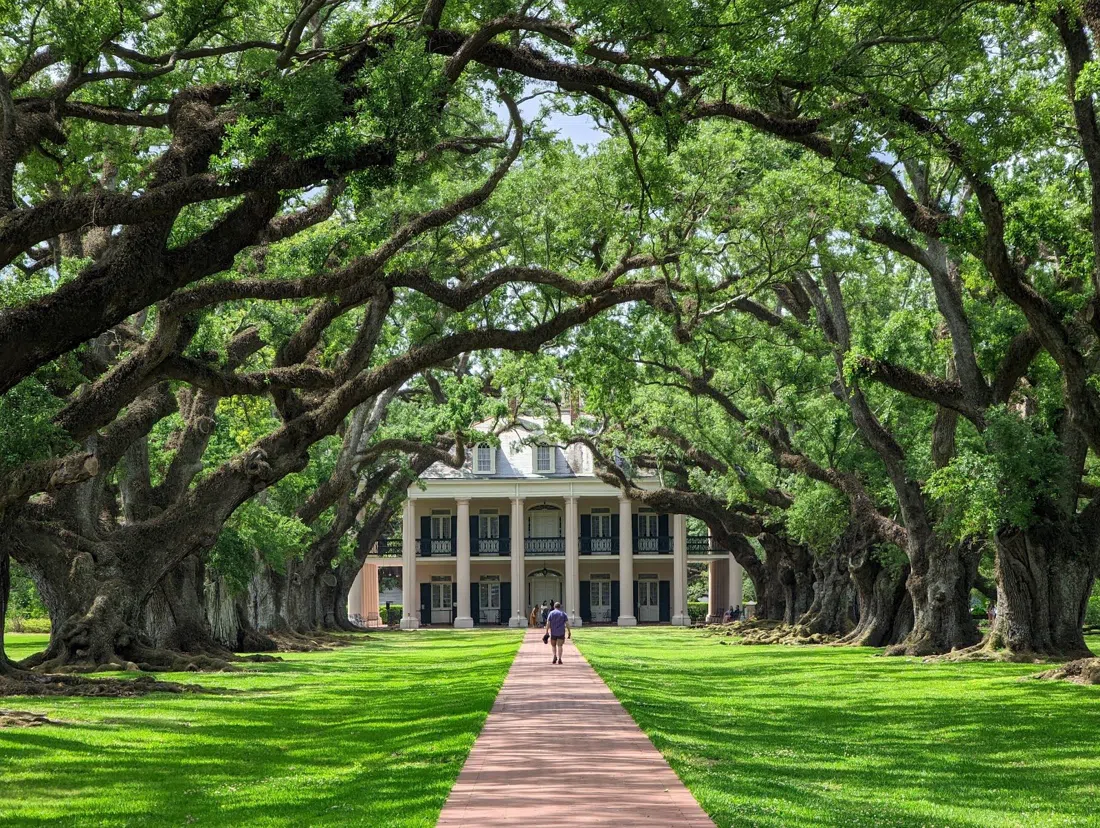
If you have the day, pair Houmas House with one other estate rather than three. Oak Alley Plantation, on the west bank downriver, is the most photographed avenue of oaks in the South and the obvious second stop. It opens 8:30am to 4:45pm daily, closes on New Year's Day, Mardi Gras, Thanksgiving and Christmas, and costs around $30 an adult for the house and grounds; the on-site restaurant and café swallow group lunches. Go at opening. By mid-morning the alley is full of people and by noon the light is flat.
Laura Plantation, also on the west bank, is the Creole counter-argument to Houmas House: the story told from the documented family record and the testimony of the enslaved rather than from the architecture. It opens daily 9:30am to 5pm with tours roughly every forty minutes from 10am and a 4pm last departure, around $28 an adult, ninety minutes on site. French-language tours run at 11am, 1pm and 3pm, which makes it the easiest stop on this road for travellers who don't want their history in English.
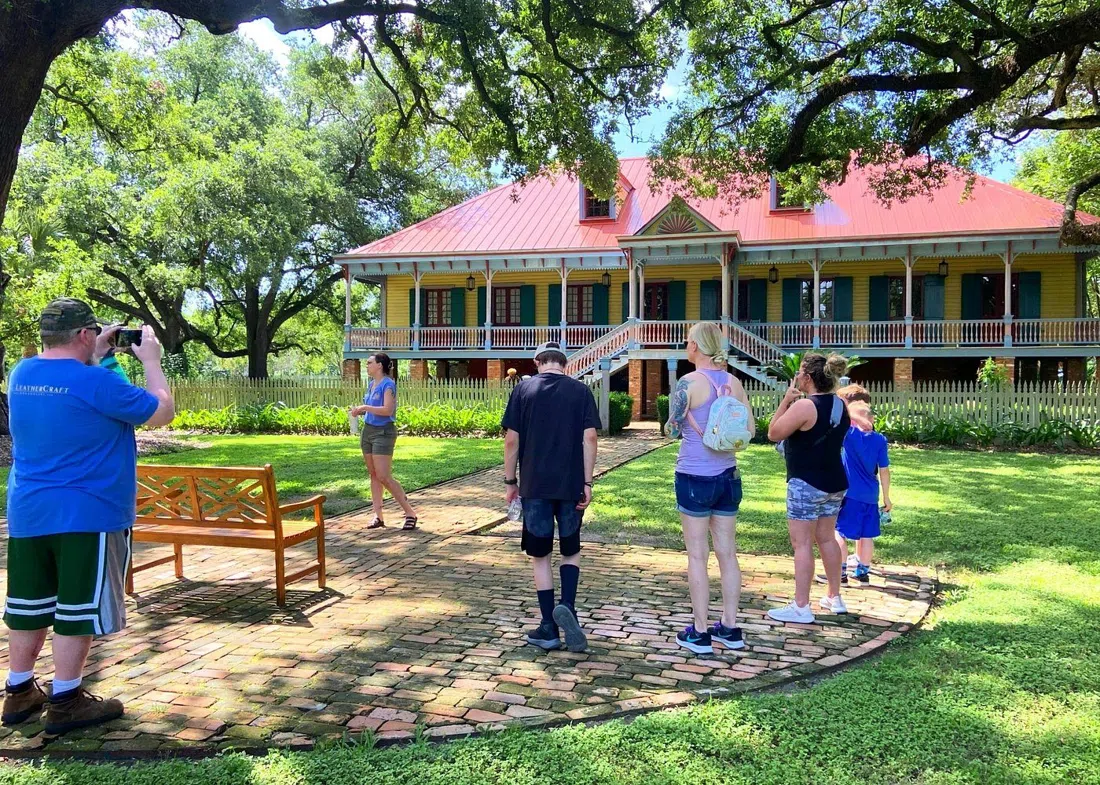
Whitney Plantation, a short way along the same bank, is the only plantation museum in Louisiana devoted entirely to slavery, and it is the necessary balance to a sugar-baron house tour. The visitor centre opens 9:30am to 4:30pm Wednesday to Monday and is closed on Tuesdays; grounds tours start at 10am with a 3pm last departure, and there is a free self-guided audio app alongside the hourly guided tours. Budget around $25 an adult self-guided or around $32 a head for guided group tours. The 2026 exhibit, 'Amongst Ourselves: Resisting Slavery at Whitney Plantation', is new this year. Check the day before you drive, because the Tuesday closure strands people regularly.
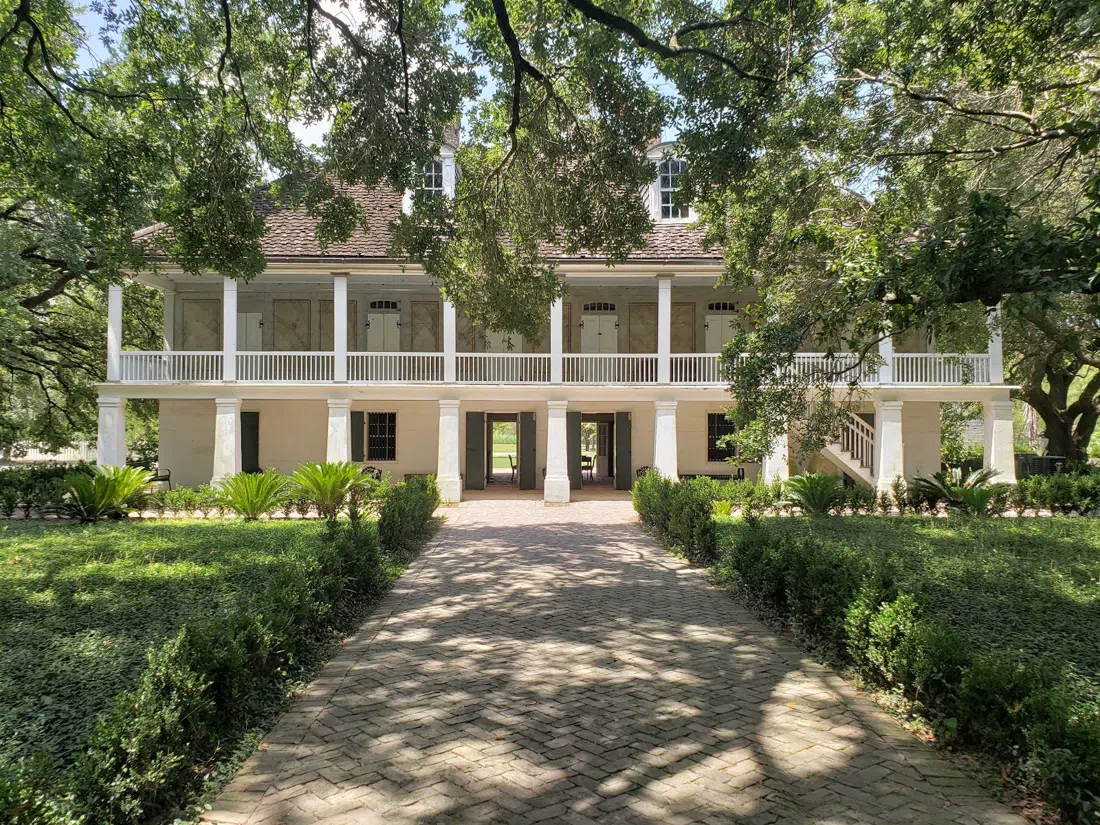
Destrehan Plantation, the closest of all of these to New Orleans, is the oldest documented plantation house left in the lower Mississippi Valley and the sensible bookend on a there-and-back day. It opens 9am to 5:30pm daily with tours every thirty minutes from 9:30am and a 4pm last departure, around $28 an adult, and Houmas House sells an official combination ticket covering both estates. Costumed interpreters and self-guided outbuildings make it easy to split a large party without anyone feeling herded.
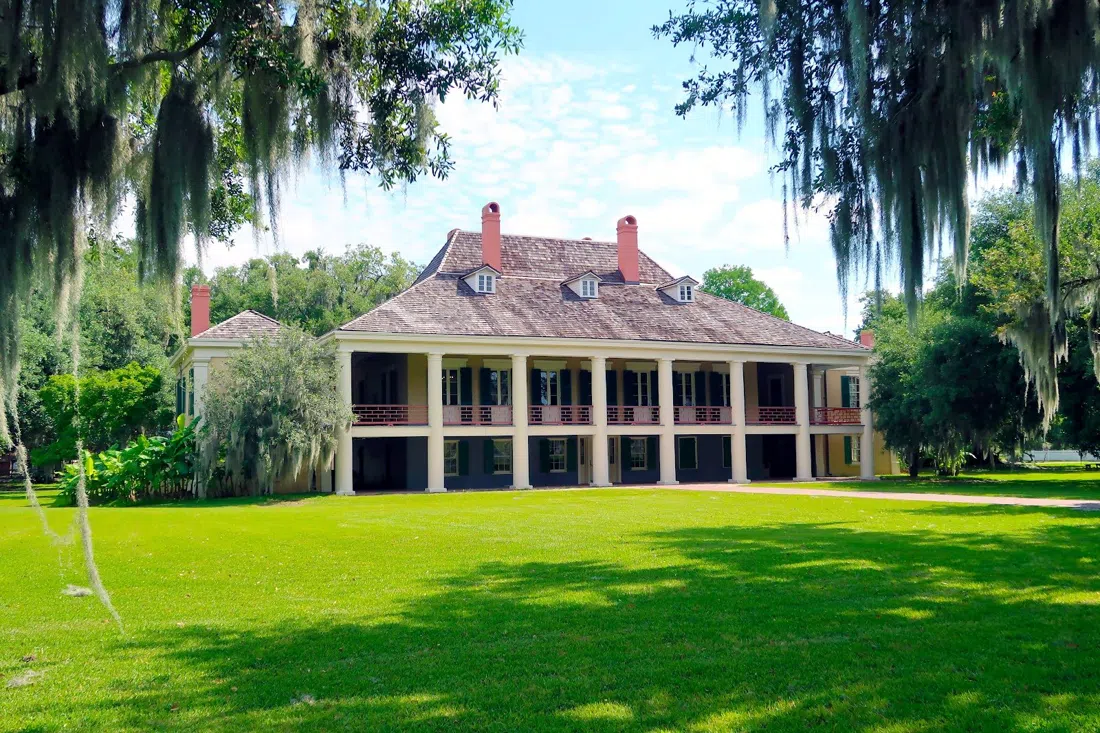
St. Joseph Plantation, on the west bank, is still a family-run working cane farm rather than an events venue, open daily 10am to 4pm with seven tour slots, around $25 an adult for roughly an hour guided plus self-guided grounds. Its October draw is specific and worth planning around: the 19th-century Creole Mourning Tour runs the whole month, and it is the single most seasonal thing on this road. Group bookings go through 225-265-4078.
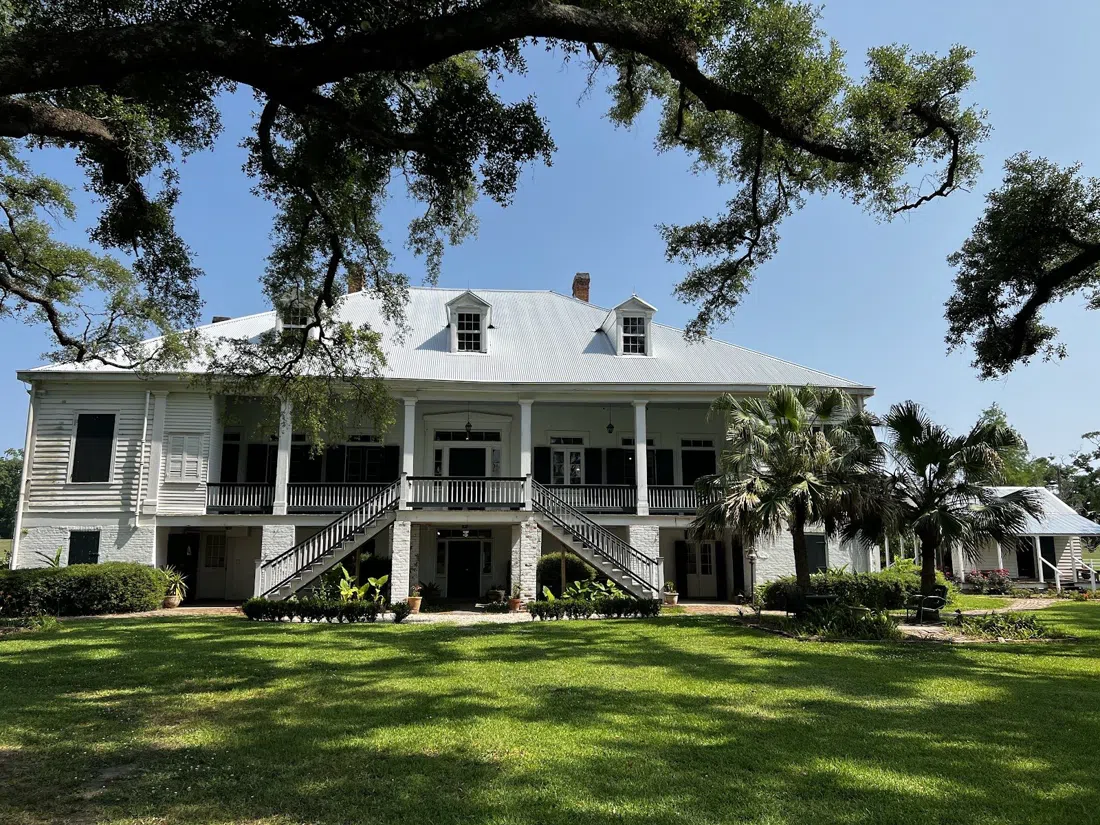
A short hop upriver from Houmas House, the River Road African American Museum keeps the community record of Black life along this exact stretch of road. It opens Wednesday to Saturday, 10am to 5pm, and closes Sunday to Tuesday, a narrow four-day week that catches people out constantly. Admission is small. The rooms are small too, so call 225-474-5553 before arriving with a coach party. Build the day around it rather than hoping to drop in.
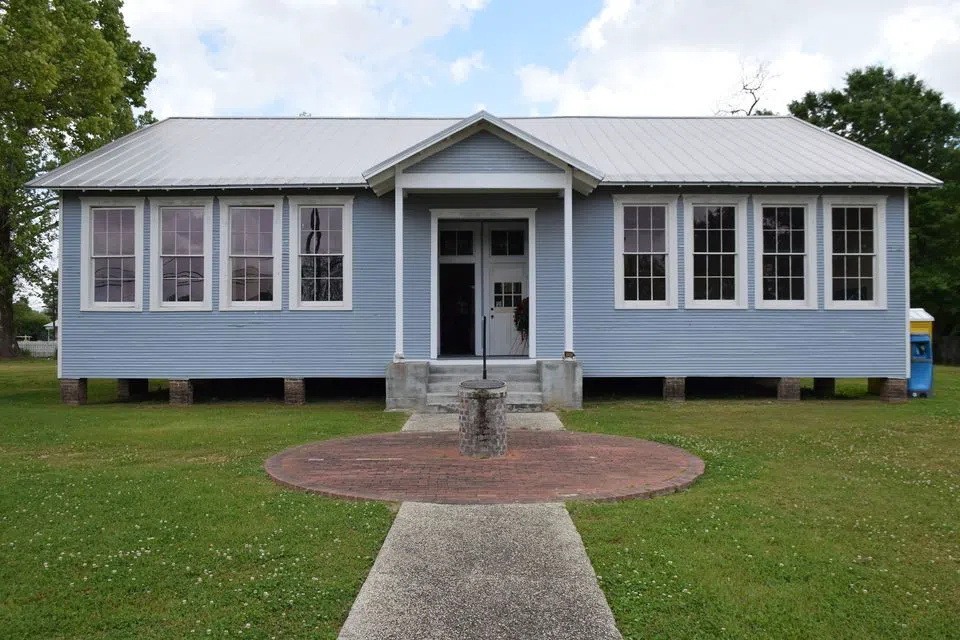
Eating on the estate and just off it
Latil's Landing Restaurant is the oldest structure on the Houmas House grounds and the reason to stay past closing rather than drive back hungry. It serves multi-course tasting menus with optional wine pairings at the top of the price range, evening service only, on a limited run of nights. Reservations are mandatory and there are no walk-ins; small groups are fine by arrangement and large parties need real notice. Book it before you fix the date of your visit, not after.
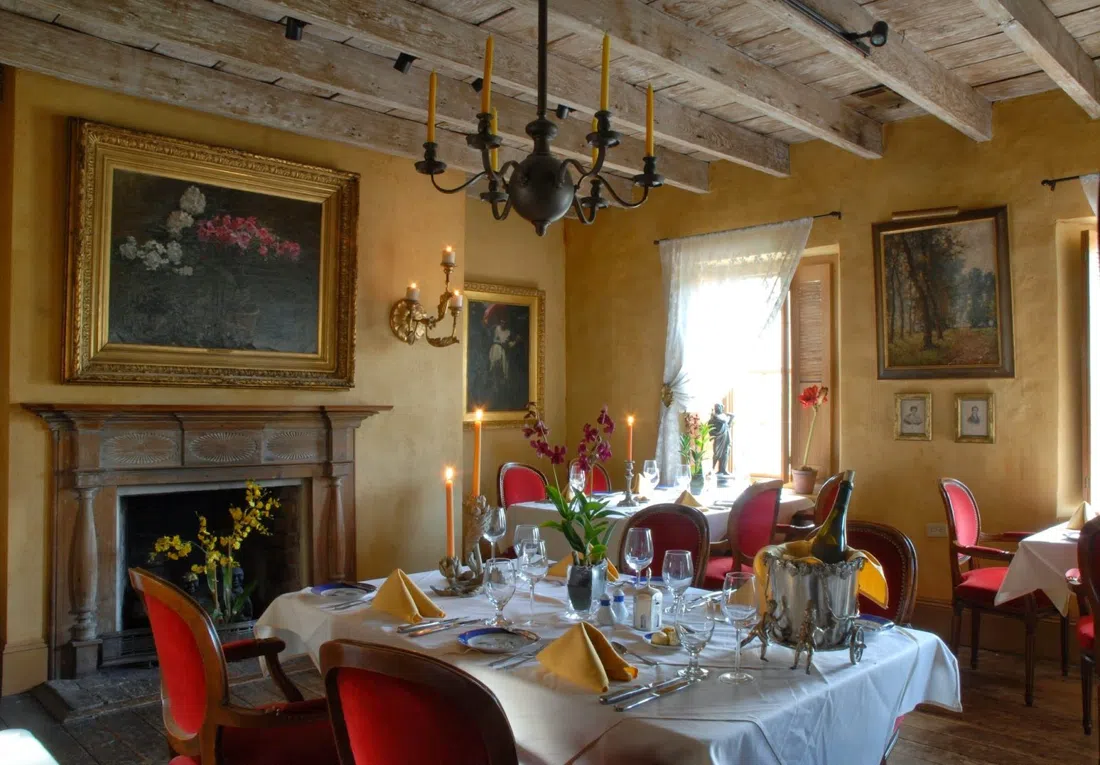
The Turtle Bar, also on the estate, is the most atmospheric room here and the natural end to a tour, a tiny space where small groups spill out onto the terrace over cocktails, wine by the glass and beer at mid-range prices. Golden hour, when the garden lights come on, is the moment. Next door, the Carriage House restaurant takes walk-ins from 11am to 8pm and seats larger parties, which is the answer if you want feeding without the tasting-menu commitment.
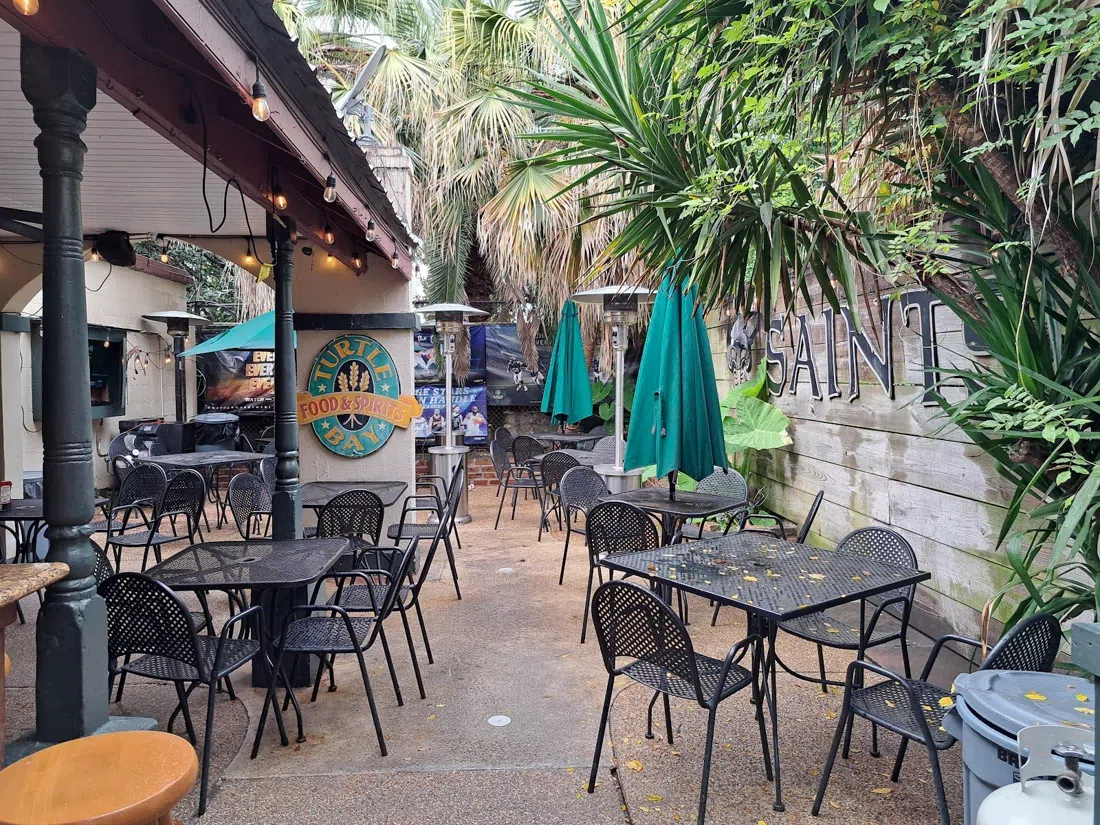
Off the estate, Grapevine Cafe and Gallery, across the Sunshine Bridge on the west bank, is the nearest proper sit-down cooking now that the long-standing roadside landmark near the estate has gone. It's a walk-in café with a real dining room, mains roughly $15 to $30. Mind the days: closed Mondays, lunch-only on Sundays, dinner only on Saturdays. Groups should ring 225-473-8463.
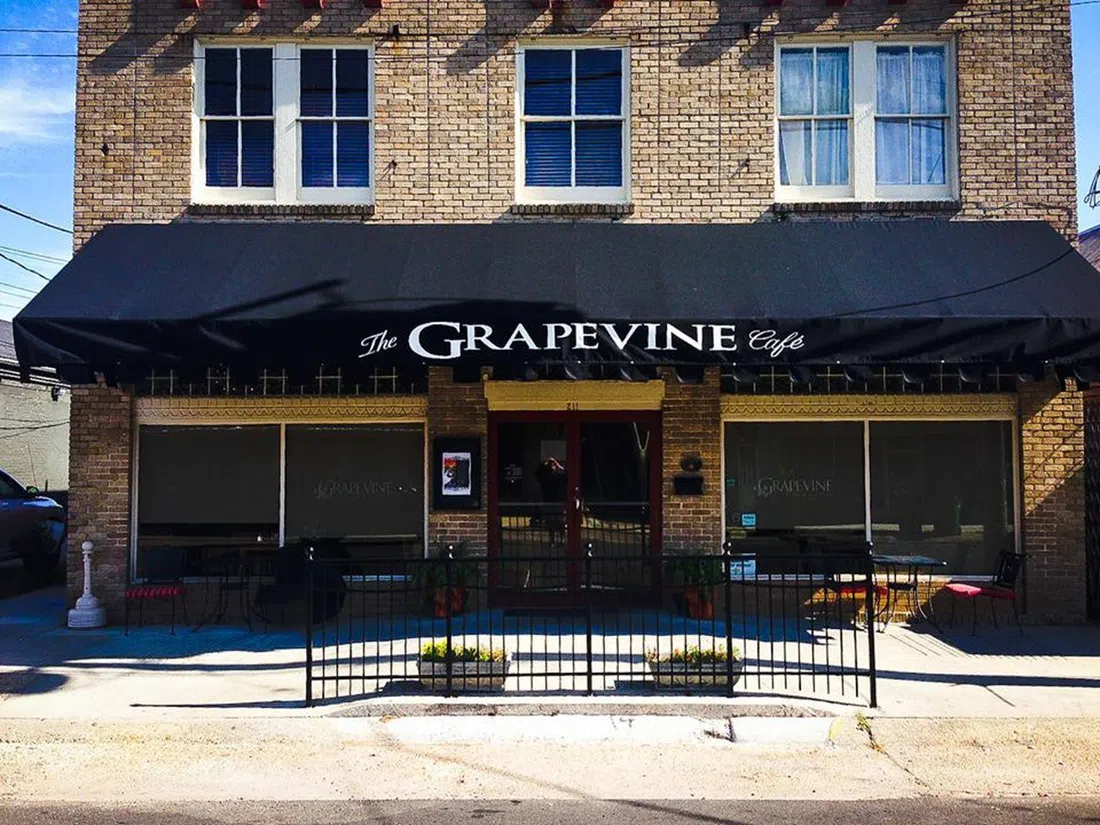
If your day leans toward the water instead, Middendorf's Manchac sits directly on the lake minutes from the Manchac swamp launches and has traded since 1934 on one dish, the original thin-fried catfish. It's open Wednesday to Sunday, 10:30am to 9pm, closed Monday and Tuesday, mains roughly $15 to $30. There are no reservations and no waiting list, just first come, first served, so go early or late if there are more than four of you.

Best time to go in October
October is the good month here. The humidity has dropped enough that an hour in the gardens is pleasant rather than punishing, the boats are all still running daily, and the low afternoon light suits both the oak avenues and the water.
For the best day, work backwards from the 7pm garden close. Take a morning swamp departure, the 9:30am or the 12pm slot, then drive to the estate for a mid-afternoon mansion tour, and keep the last two hours for the gardens and a drink on the terrace as the light goes. If you want the museum, reverse it and arrive by early afternoon, because 4pm is hard.
Mid-week beats the weekend everywhere on this road. Avoid Tuesdays if the slavery museum matters to you, and avoid Sunday to Tuesday if the community museum does. If rain is forecast, switch your boat to a covered one and move the indoor galleries to the wettest part of the day. And if you only have one October morning, spend it at the estate rather than the neighbours, because everything else on the road closes before the day is properly over.
Is it worth it
Yes, with a condition: it's worth it if you give it a half day and treat the gardens as the main event. As a bare house tour it is good but not singular, and the storytelling is more romantic than the history deserves. As a garden estate with a serious museum attached, an evening closing time and a restaurant and bar you can actually settle into, it is the most complete day out on River Road.
It suits couples who want a slow afternoon, garden people, and anyone who has already decided to spend one day out of the city. It suits groups well too, because the half-hourly departures and the walk-in Carriage House take the strain. It suits families reasonably, since the gardens run children down nicely and children under five are free. It suits you less if you want the harder, better-documented account of who built this wealth and at what cost. For that, pair it with the slavery museum or the Creole house downriver, and let the two versions argue with each other on the drive home.
Practical notes
No train or public bus serves this stretch usefully. Either hire a car (an hour from the city centre, straightforward driving, free parking at the estate) or take a guided day trip with transport included. Several of the swamp operators run optional hotel pickup from greater New Orleans, which you can combine with a hired-car day for the people who don't want to drive.
On timing: mansion tours leave every thirty minutes from 9:30am, the grounds stay open until 7pm, and the museum closes at 4pm. The neighbouring estates close between 4pm and 5:30pm, and the community museum only opens Wednesday to Saturday. Arrive fifteen minutes before any boat departure.
Cards are standard at the ticket desks and restaurants, but carry some cash for the small community museum, tips for guides and boat crews, and the bar. A lean day is about $35 for the estate plus $30 to $40 for a swamp boat. A fuller one runs $55 for the estate combination ticket, a boat, and lunch at $15 to $30 a head. A guided package from the city with lunch starts from 279 USD per person.
Reserve the tasting-menu restaurant first, because it dictates the date. Book any guided day trip ahead. Everything else on this list you can do at the door, provided you are not twenty people, in which case ring first.
If you are basing yourself in the city for the trip, the New Orleans hotel search will get you a bed close enough to make the early start painless.