The New Orleans issue
New Orleans After Dark: The Music Worth Leaving the House For This Fortnight
A dated, room-by-room diary of the next two weeks' live music — nine shows crammed into one Saturday, three for a gentler Sunday, and how to pick the stage that fits your night.

By Robin de VriesThe city by streetcar line, block by block
The next two weeks of New Orleans nightlife look thin on paper until you notice how much of them is stacked into one humid Saturday, as if the whole city agreed to empty its calendar into a single evening. Brass bands, an arena hip-hop bill, a rock voice on an outdoor plaza and two seatings of reserved jazz all land within a few hours and a few streetcar stops of one another. What follows is a diary rather than a directory: who plays where, when the door actually matters, and how to choose the room that fits the night you want.
Saturday 25 July: one night, nine ways to spend it
The 25th is the whole point of this fortnight. Nine shows, four corners of the city, and no honest way to see more than two or three — so the first job is to decide what kind of evening you're after before you decide where to stand. The good news is that the choices sort themselves cleanly by temperament: seated jazz, a two-room club night, Uptown brass, a late DJ party, and the two biggest names of the weekend playing side by side near the Superdome.
Frenchmen Street: two seatings of serious jazz
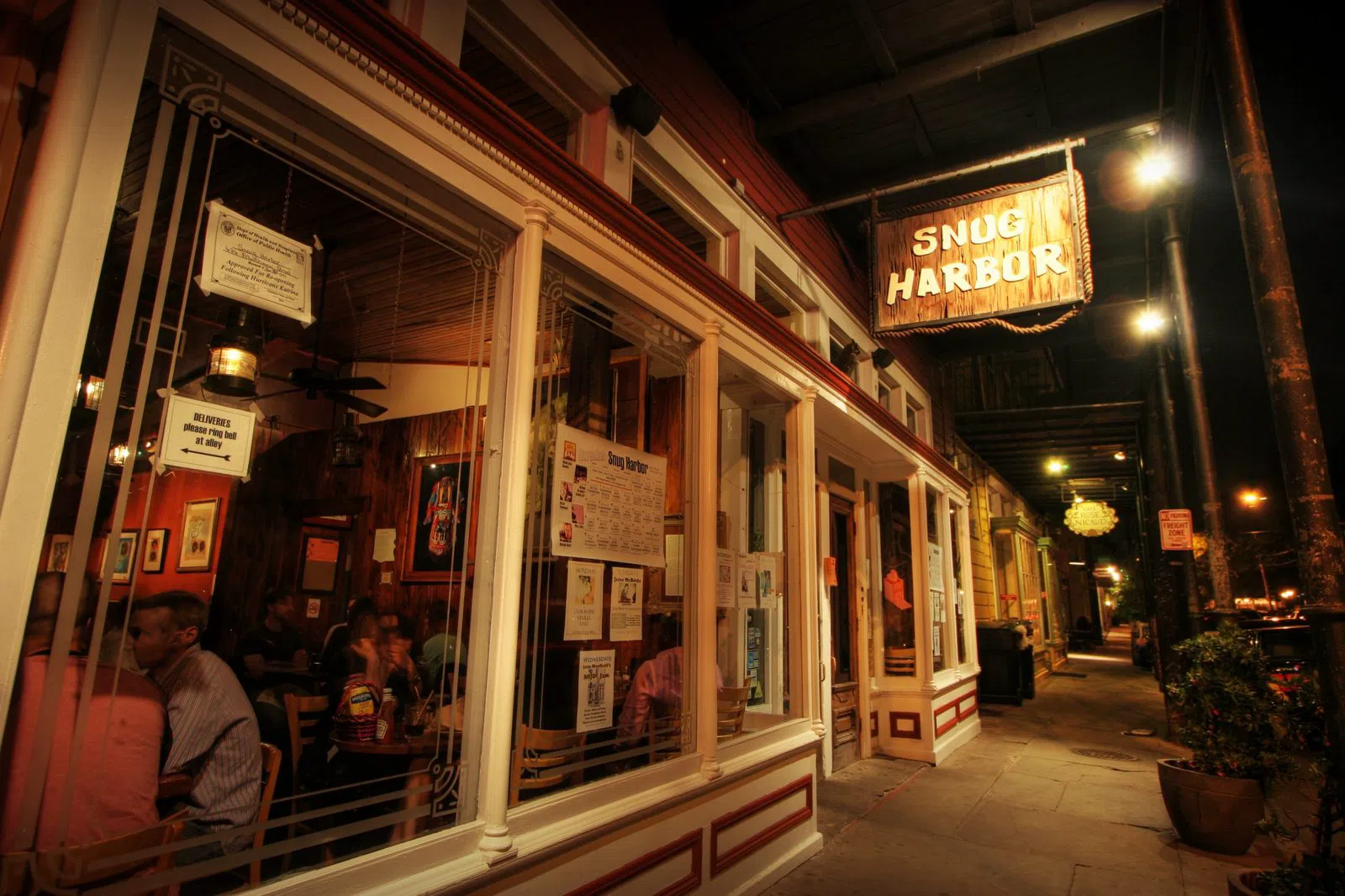
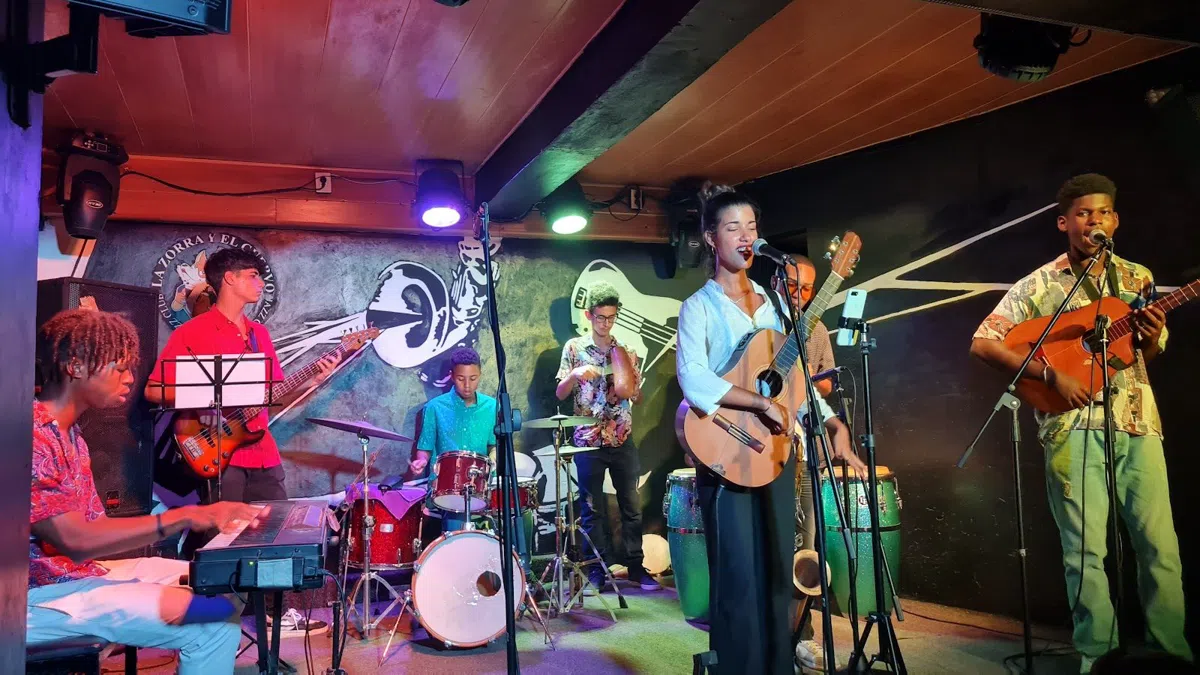
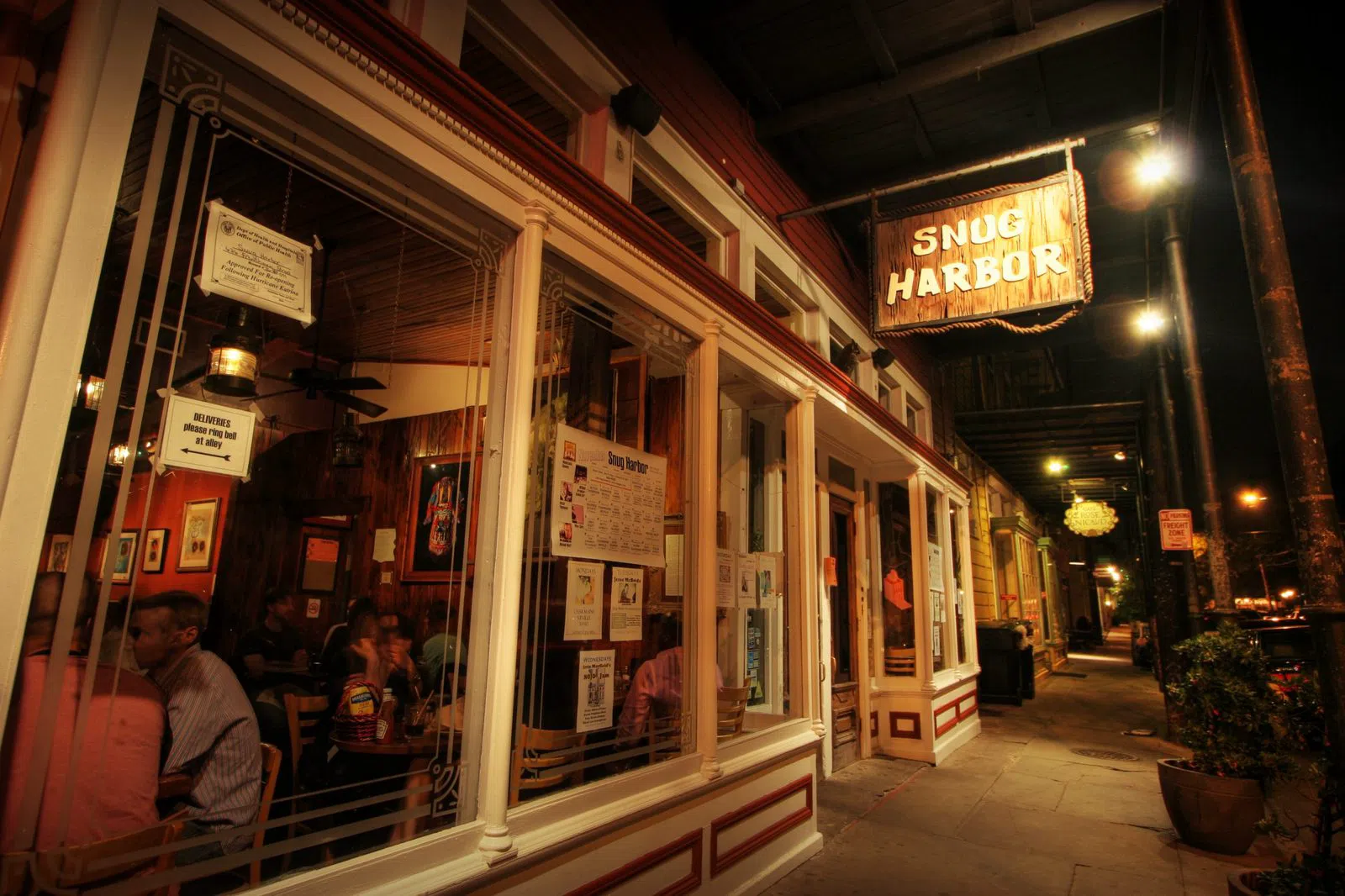
Begin where New Orleans keeps its modern jazz honest. Snug Harbor Jazz Bistro (Frenchmen Street, in Faubourg Marigny, just downriver of the French Quarter) runs two seated sets nightly, and on the 25th both earn the trip. The earlier house belongs to Alexey Marti & Afrogumbo, a percussion-led group that threads Afro-Cuban rhythm through the city's own phrasing; the later seating gives the room to Sari Jordan with Martin Masakowski, a quieter, song-forward pairing anchored by bass. This is a roughly ninety-seat room with reserved chairs, which tells you exactly how to use it: book a specific set, arrive for that set, and let the music be the event rather than the soundtrack. Covers run about $25–45 and you can add dinner beforehand. Two or four people? Ideal. A group of a dozen hoping to talk over drinks? Wrong room — spend the night somewhere louder and save Snug Harbor for the trip's quiet highlight. This was Ellis Marsalis's home base for years, and the room still carries itself like a place that takes the music personally.
The French Quarter: a two-room night at House of Blues
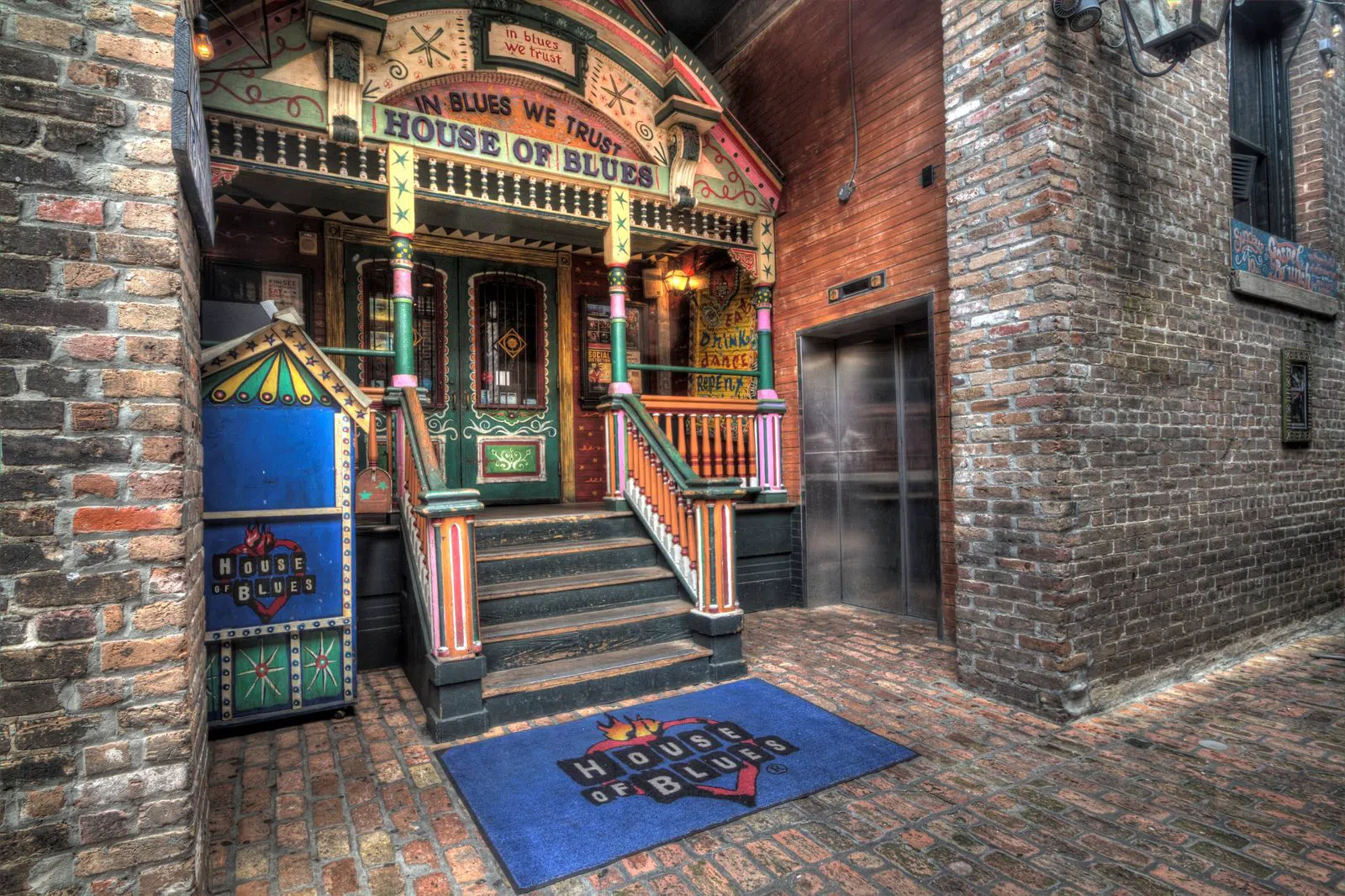
A short walk upriver puts you at House of Blues New Orleans (Decatur Street, French Quarter), which on the 25th does exactly what its warren of rooms is built for: two different shows under one roof. The main hall takes Rio Da Yung OG – The World is M.I.N.E. Tour, a hard, uncut rap bill with the volume and the crowd energy to match, while Diggy Graves plays the venue's smaller room the same night for a younger, alt-leaning audience. This is the reliable, central pick for a mixed international group: you're steps from the rest of the Quarter, the venue handles big parties and VIP tables through its group desk, and if two of you want different shows you can split up and reconvene at the bar afterwards. Tickets typically sit in the $25–75 band. One thing to check before you go: confirm which room your ticket names, because the two stages keep separate doors and separate set times, and it is a genuine irritation to queue for the wrong one.
Uptown: brass at the institution, indie on Freret
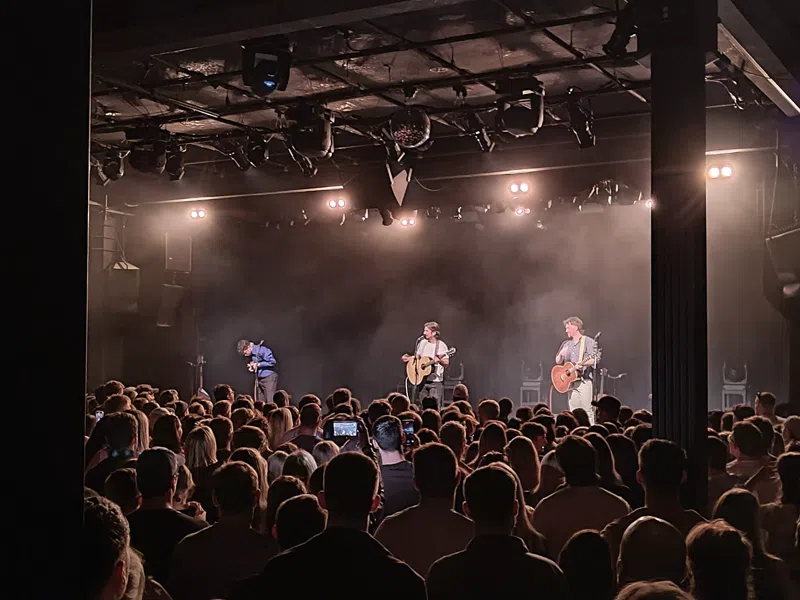
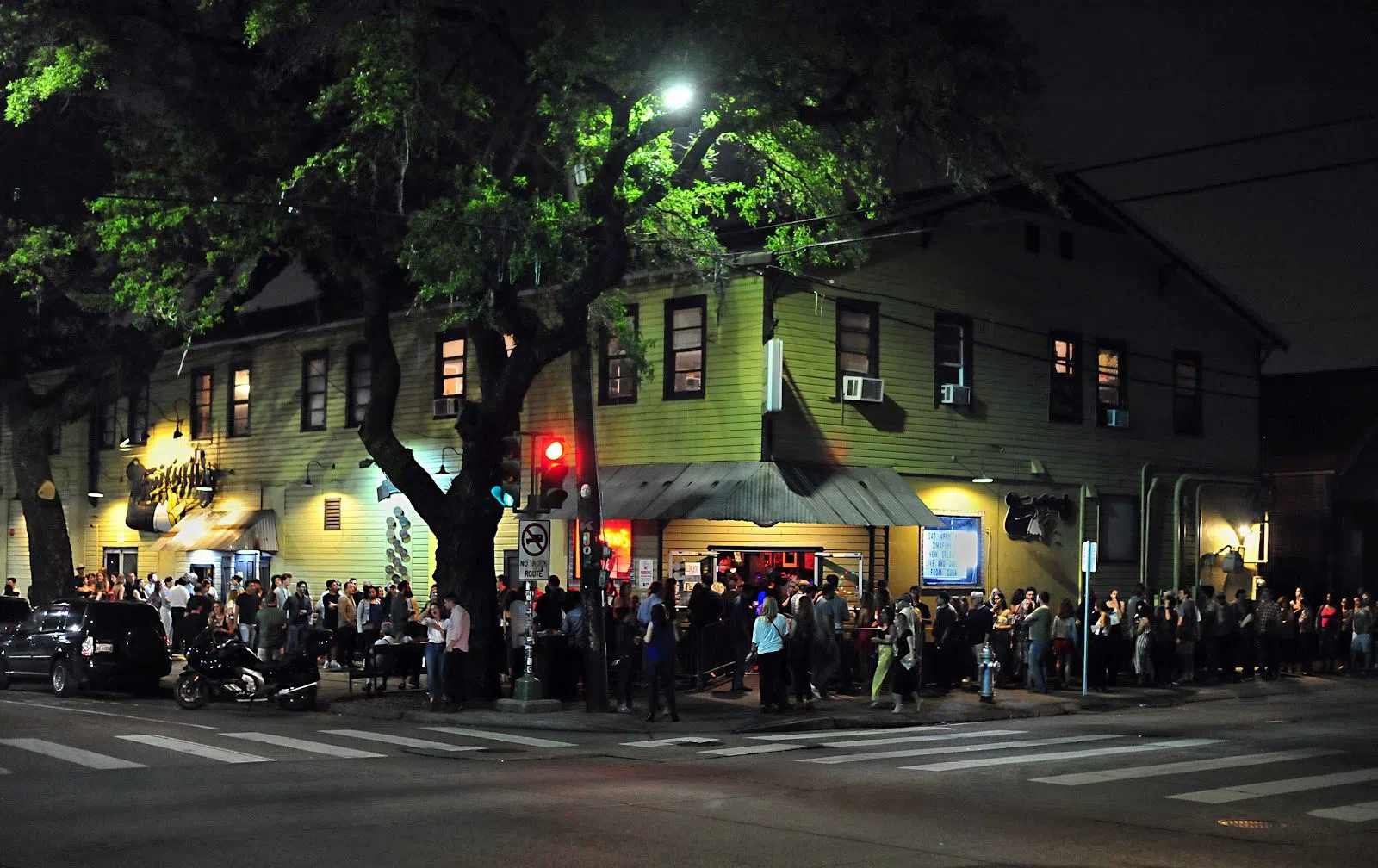
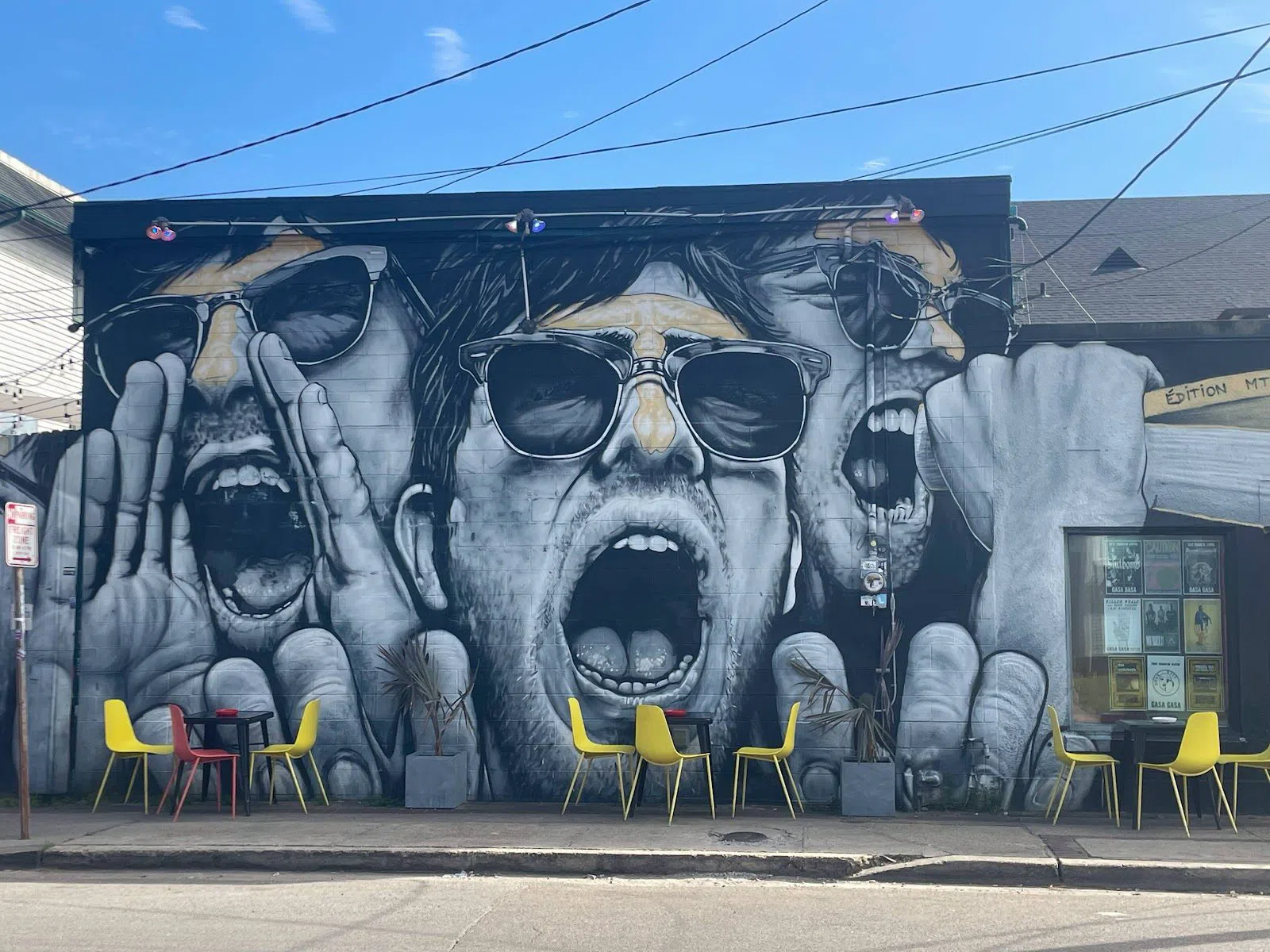
If you'd rather be where the locals are, the night moves Uptown. Tipitina's (Uptown, at the corner of Napoleon and Tchoupitoulas) hosts the Soul Brass Band, and there is no more fitting room for it: this is the definitive New Orleans music hall, a roomy general-admission floor where funk and brass are close to a house religion. It welcomes a crowd, so bring your group and plan to move — nobody stands still at Tip's, and you shouldn't try to. A short hop away, Gasa Gasa (Freret Street, Uptown) offers the opposite scale entirely: a four-band local-and-touring bill — The Band Melrose, Neutral Snap, Donate Your Friends and Oversight — in a room that holds a handful of friends rather than a party. It's 21+, covers run roughly $10–20, and it's where you go for the un-touristy, guitar-first side of the city that most visitors never find. Don't bring ten people; bring three who actually want to discover a band and won't spend the set looking for a seat.
Warehouse District: the late DJ night
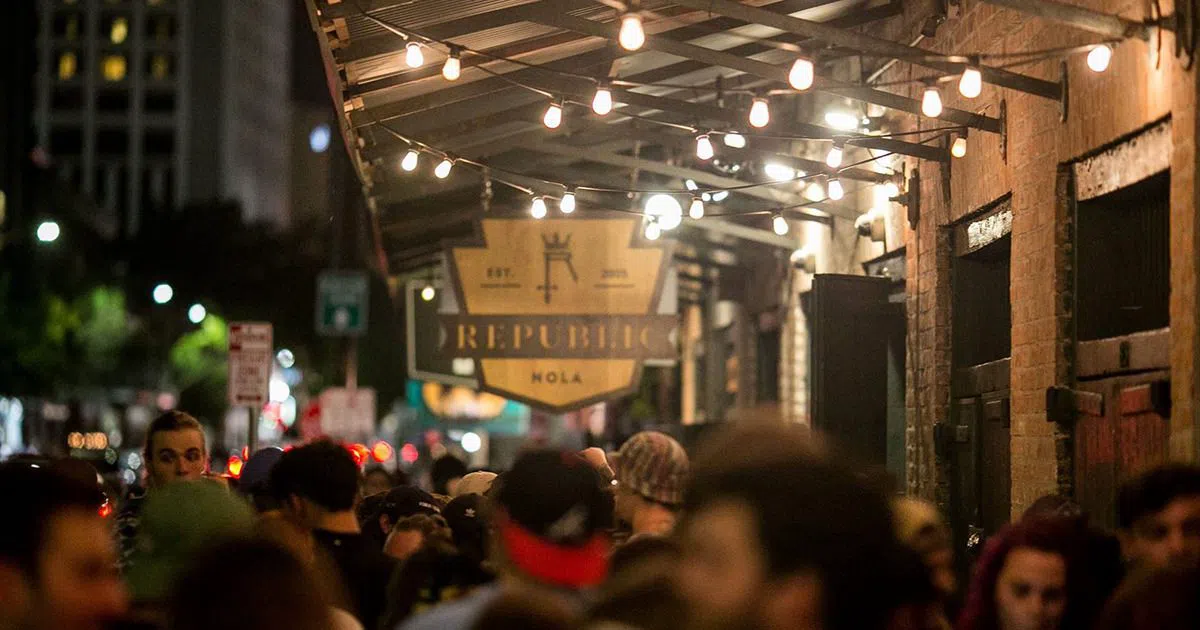
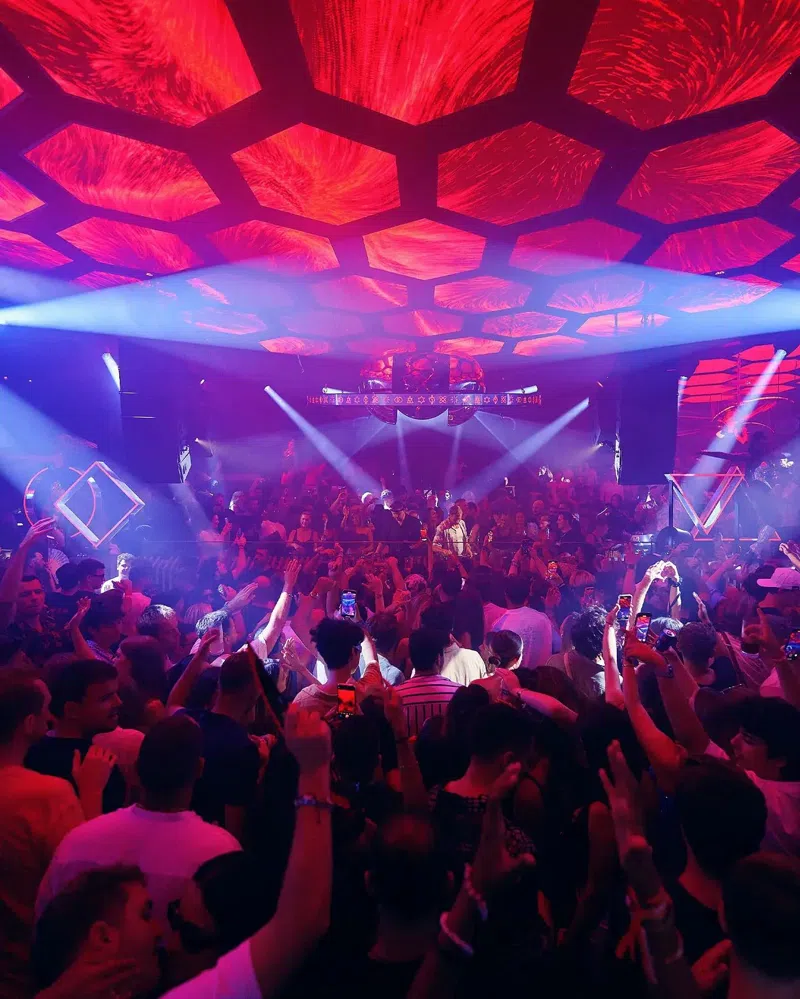
For a crowd that wants to dance rather than watch, Republic NOLA (Warehouse District) runs Club 90's: Off Campus Night, an 18-and-over throwback DJ party built for a proper late one. This is a 950-capacity room geared to groups and bottle-service tables, and the calendar leans DJ and electronic, so treat it as the anchor of a whole late night rather than a seated show you drop into for an hour. Note the age policy carefully: 18-and-over here, which makes it one of the very few rooms on this weekend's list a younger group can actually get into — bring ID, because the door checks and won't argue.
The sports complex: two marquee names, indoors and out
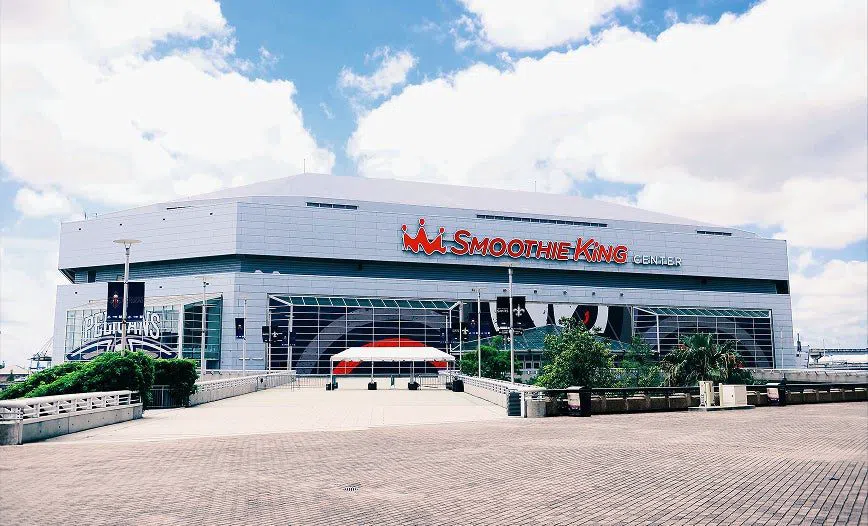
The biggest names of the night sit almost on top of each other near the Superdome. Inside Smoothie King Center (Central Business District), the X Games weekend brings Metro Boomin' & J.I.D. to the arena — a headline hip-hop bill with effectively unlimited capacity and a proper group-sales desk for blocks of seats, which makes it the choice when your party wants a marquee name over intimacy. Arena tickets run anywhere from about $60 into the low hundreds depending on how close you sit. A few steps away, Champions Square (the open-air plaza beside the arena, in the CBD) hands its stage to Hayley Williams under the sky — a large standing space built for big crowds and warm-season nights. The two venues share a footprint, which is the practical gift here: a group can drift between an arena show and an outdoor one without leaving the block, and the surrounding bars fill the gaps. If you're standing outdoors all evening, dress for the heat and keep drinking water — a July night in this city stays warm and thick long after the sun is down.
Plan your New Orleans trip
Live prices from our booking partners.
Free cancellation on many rooms. We may earn a commission when you book.
Sunday 26 July: three rooms, three tempos
After the Saturday crush, the 26th offers a gentler, better-spaced choice of three — one seated, one intimate, one for the jazz faithful. It is, frankly, the more civilised night of the two, and worth saving something for.
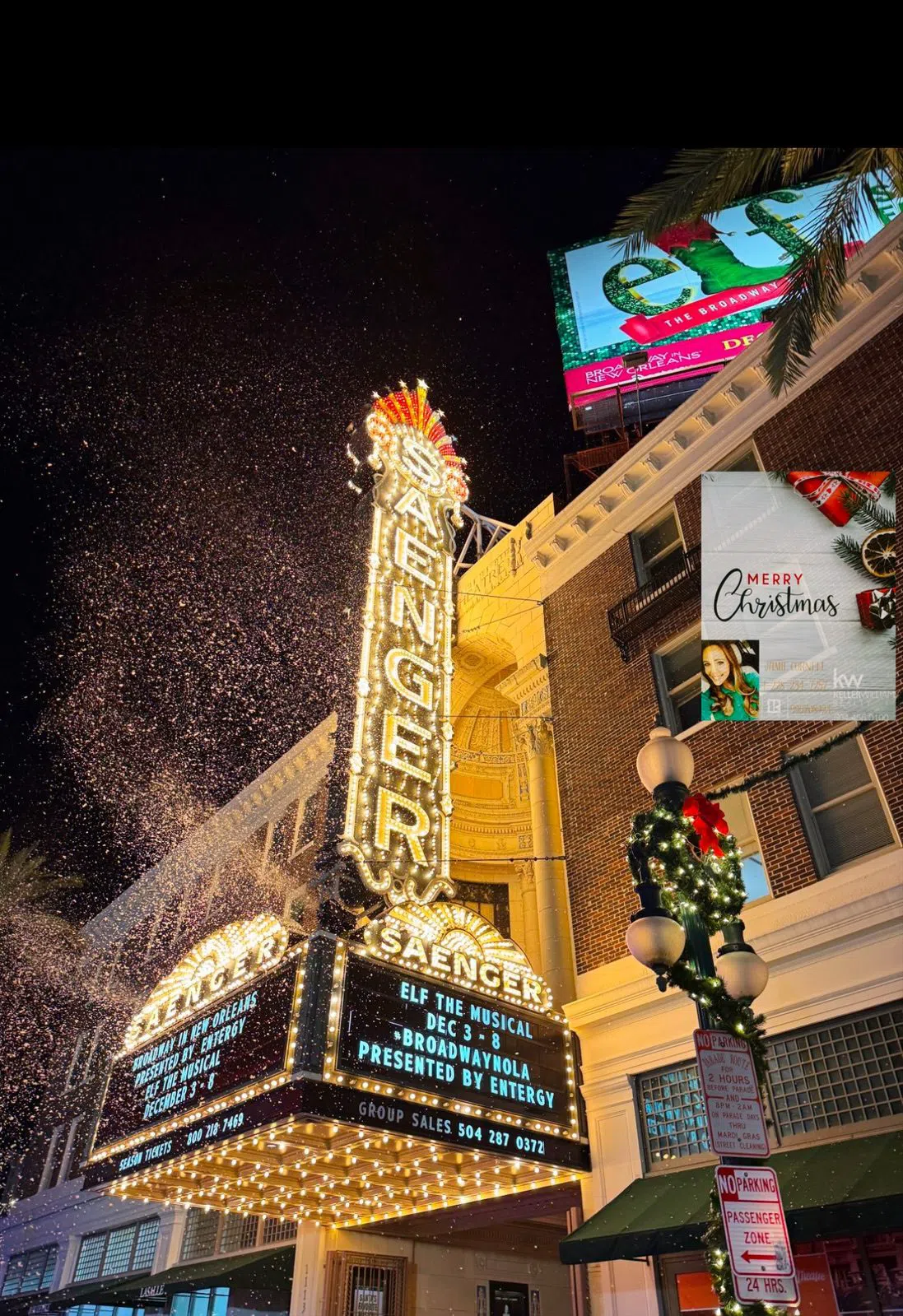
For the fortnight's most comfortable evening, Saenger Theatre (Canal Street, on the edge of the French Quarter) seats Lord Huron in its restored 2,600-capacity hall. This is the elegant, all-ages counterpoint to the club circuit: reserved seats, a group-booking desk for larger parties, and the kind of room where the sightlines and the acoustics do the work so you don't have to fight for either. Tickets scale roughly $45–150 by seat. If your trip has one night that has to suit everyone — mixed ages, mixed stamina, someone who flatly refuses to stand for three hours — this is the one to build around.
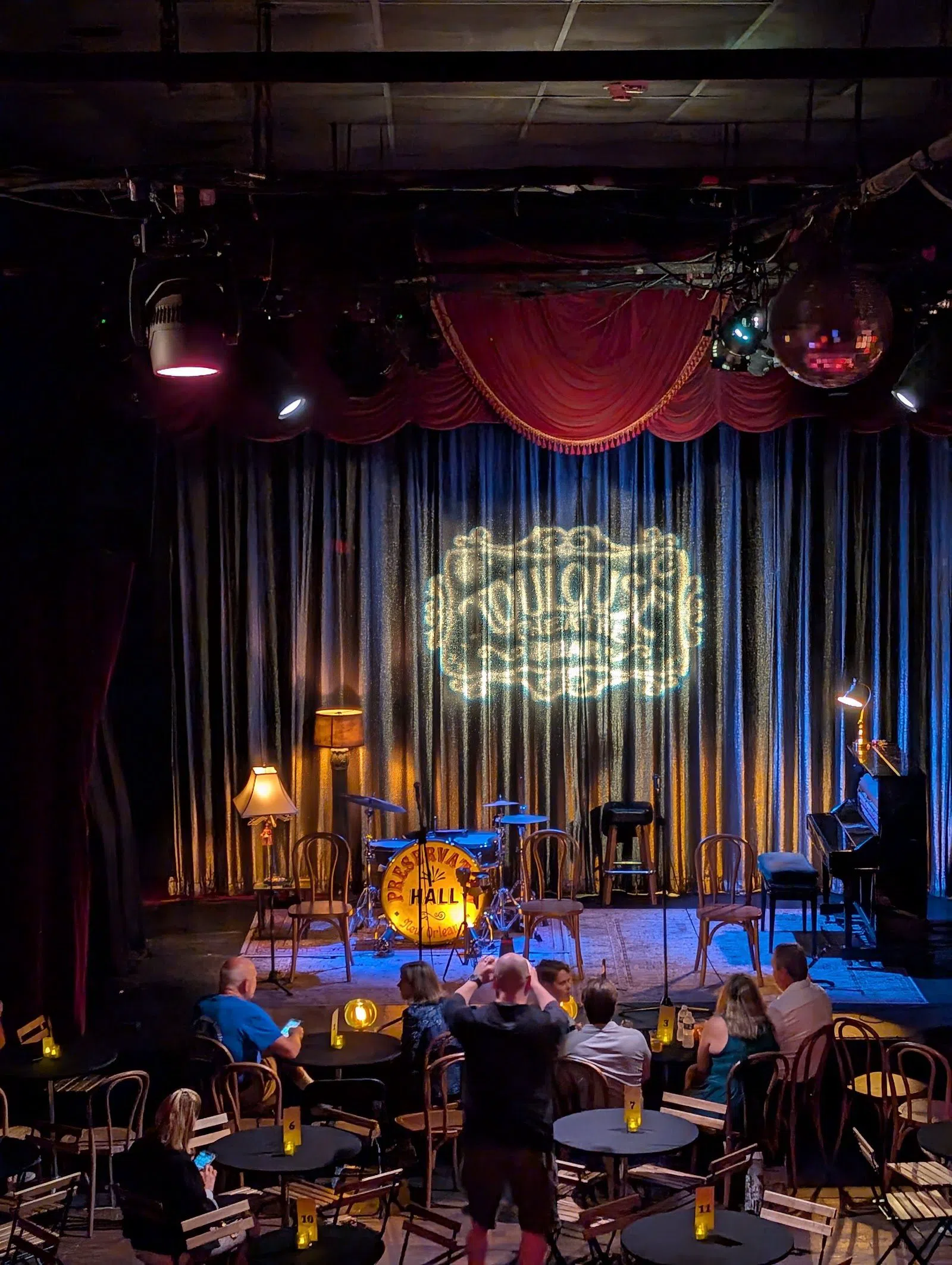
Back in the Quarter, Toulouse Theatre (Toulouse Street, French Quarter) gives its stage to Alfred Banks (21+), a sharp, storytelling rapper in what is now the Quarter's largest locally-owned music room. Restored under Preservation Hall's Ben Jaffe, the theatre carries a genre-crossing calendar and a theatrical, only-in-New-Orleans atmosphere that rewards curiosity; it takes groups comfortably, though this particular bill is 21-and-over, so leave the under-21s to the Saenger down the road. Covers land around $15–40.
And to close the fortnight where it began — with serious jazz — Snug Harbor Jazz Bistro returns on the 26th for the Herlin Riley Quartet. Riley is a drummer of real pedigree, and the small reserved room is the correct setting for a quartet you genuinely want to hear rather than half-listen to. The rules are the same as Saturday: book your set in advance, arrive on time, keep the party small, and let the band have the room.
How to plan the fortnight
Geography first. These rooms cluster in four pockets: Frenchmen Street and the Marigny for jazz; the French Quarter for House of Blues, the Saenger and the Toulouse; Uptown for Tipitina's and Gasa Gasa; and the CBD sports complex for the arena and Champions Square. You can pair anything within a single pocket on foot. Crossing between them — Frenchmen to Uptown, say — means a rideshare or the streetcar, not a stroll, so build your night around one pocket and treat a second as a deliberate move rather than a whim.
Transport. The St. Charles and Canal streetcar lines cover the Quarter, the CBD and the long run Uptown, but they are slow and stop running earlier than a music night does; after midnight, plan on a rideshare. Frenchmen Street and the Quarter are best done entirely on foot. For the Smoothie King Center and Champions Square, arrive early — arena and plaza crowds choke the surrounding streets well before a big show, and parking near the complex evaporates fast.
Cash and tickets. The small rooms — Snug Harbor, Gasa Gasa, the Toulouse — often want cash at the door for covers, and cash is still the right currency for tipping a brass band or a bartender at Tipitina's. The big nights — the arena, Champions Square, the Saenger — sell tickets ahead, and you should buy them ahead rather than gamble on the door. Snug Harbor's two seatings fill up, so reserve the exact set you want, not just the night.
Age and door. Ages vary by room and by night: Gasa Gasa is 21+, Republic runs this particular show at 18+, the Alfred Banks bill at the Toulouse is 21+, and the arena, Champions Square and the Saenger are effectively all-ages. Carry ID everywhere; every door on this list checks it.
Budget. A night can cost you a $10 cover at Gasa Gasa or push past $150 for a good seat at an arena show. A fair middle — a club ticket, a couple of drinks and a rideshare home — runs $60–90 a head. Prices throughout are quoted in US dollars.
Timing. Jazz seatings start early — Snug Harbor's first set is a 7:30 affair — while the clubs and the arena run late. The best-built night in this town starts with a seated set and ends on a dance floor, not the other way round, and the geography above lets you do exactly that if you plan it in advance.
For where to base yourself within reach of all of it, start with a New Orleans hotel search — the French Quarter and the CBD put you closest to the most rooms on this list. And for the wider picture beyond these two weeks, the New Orleans guide covers the city well past its concert calendar.
Before you go
Which show suits a big group on Saturday 25 July?
For a marquee name and unlimited capacity, take Metro Boomin' & J.I.D. at the Smoothie King Center or Hayley Williams next door at Champions Square — they share a footprint, so a group can move between them. House of Blues is the safe central pick with a group desk and VIP tables. Avoid Snug Harbor and Gasa Gasa with a large party; both are small rooms.
Can I see more than one show in a single night?
Yes, if you respect the geography. Rooms within one pocket — Frenchmen Street's jazz, or the arena and Champions Square by the Superdome — pair easily on foot. Jumping from Frenchmen to Uptown (Tipitina's, Gasa Gasa) needs a rideshare and time, so plan at most one such crossing rather than chasing the whole list.
What are the age policies at these venues?
Gasa Gasa is 21+, and the Alfred Banks show at the Toulouse Theatre is 21+. Republic NOLA runs Club 90's: Off Campus Night at 18+, one of the few options for a younger group. The Smoothie King Center, Champions Square and the Saenger Theatre are effectively all-ages. Carry ID everywhere — every door checks.
Do I need tickets in advance or can I pay at the door?
Buy ahead for the big nights: the Smoothie King Center, Champions Square and the Saenger Theatre. Snug Harbor's two nightly seatings fill up, so reserve the exact set you want. The small rooms — Gasa Gasa and the Toulouse Theatre — usually take a cash cover at the door, so bring cash for those.
What's the most relaxed, seated option this weekend?
Sunday 26 July is the gentler night. Lord Huron at the Saenger Theatre is the comfortable, all-ages, reserved-seat choice for a mixed group. For seated jazz, the Herlin Riley Quartet at Snug Harbor on the same evening is the quiet highlight — book your set and arrive on time.