New Orleans plays a different tune once you cross Esplanade Avenue or turn off Elysian Fields onto St. Claude — the horns loosen up, the crowds thin out, and the music stops performing for anyone. This is a walking guide to the rooms where the city's musicians actually work: the Frenchmen Street clubs that built the trad-jazz scene before it became a destination, the St. Claude arts corridor a mile further out where brass bands share a bill with drag and burlesque, and the Tremé bars where a Tuesday rehearsal is the whole show. Bring cash, wear shoes you can stand in for three hours, and work the neighborhoods in the order they actually sit, not the order a map app suggests.
Frenchmen Street, Minus the Myth
Frenchmen Street in the Faubourg Marigny is where most visitors' New Orleans music trip starts, and it's worth doing properly rather than rushing past on the way to somewhere "more authentic" — the four blocks between Esplanade and Elysian Fields hold some of the best rooms in the city. They're just busy enough now that a group needs a plan for each one.
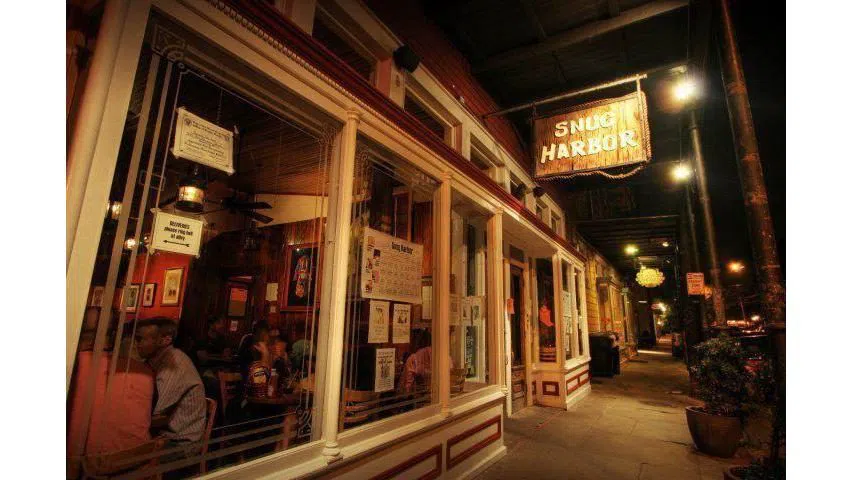
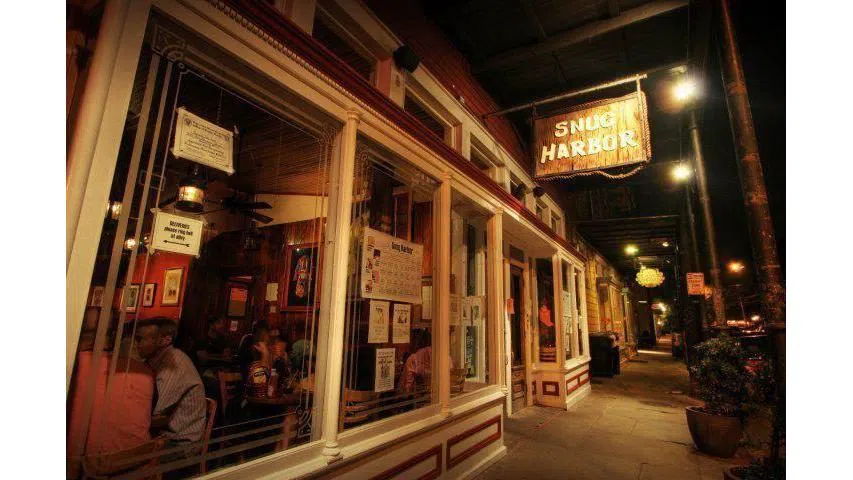
Snug Harbor Jazz Bistro (Frenchmen Street, Faubourg Marigny) is the one to book ahead for. This is Ellis Marsalis's old home turf, and the audience here is there to listen, not to wander in off the street — two sets a night, 7:30pm and 9:30pm, with a $20-35 cover plus a one-drink minimum on top of a full Creole dinner menu. Call ahead, (504) 949-0696, especially for a group of four or more; walk-ups happen, but you're gambling on a table.
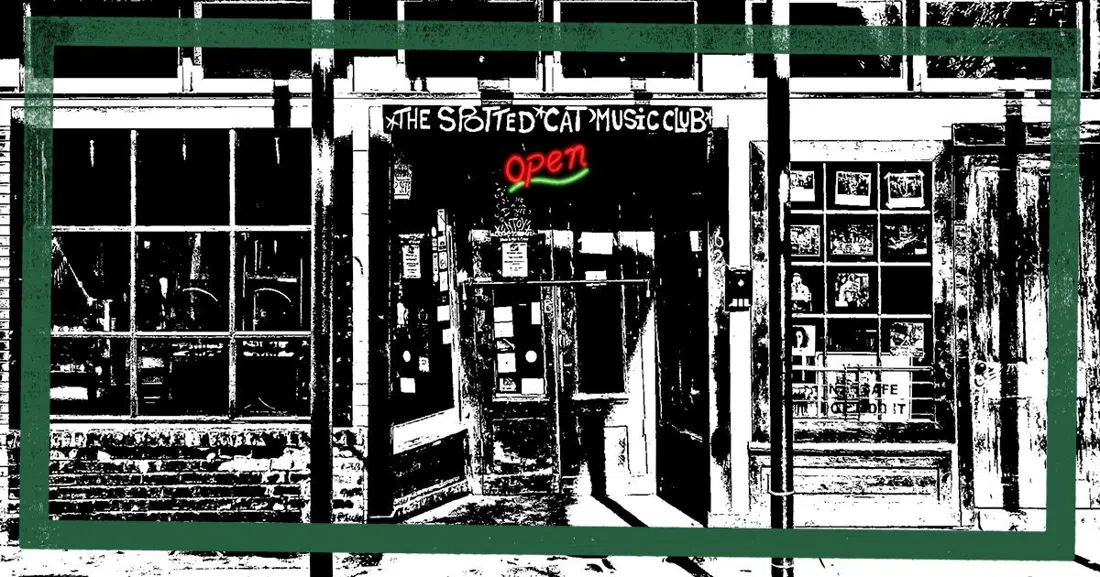
A few doors down, The Spotted Cat Music Club runs on the opposite system entirely: no reservations, cash only, first-come standing room, and a floor that genuinely fills with swing dancers most nights rather than tourists filming them. It's usually no cover — you're expected to buy a drink instead — which makes it the cheapest serious jazz in the city, but it also means a large group will not stay together on a Friday night. Go early, or go in pairs.
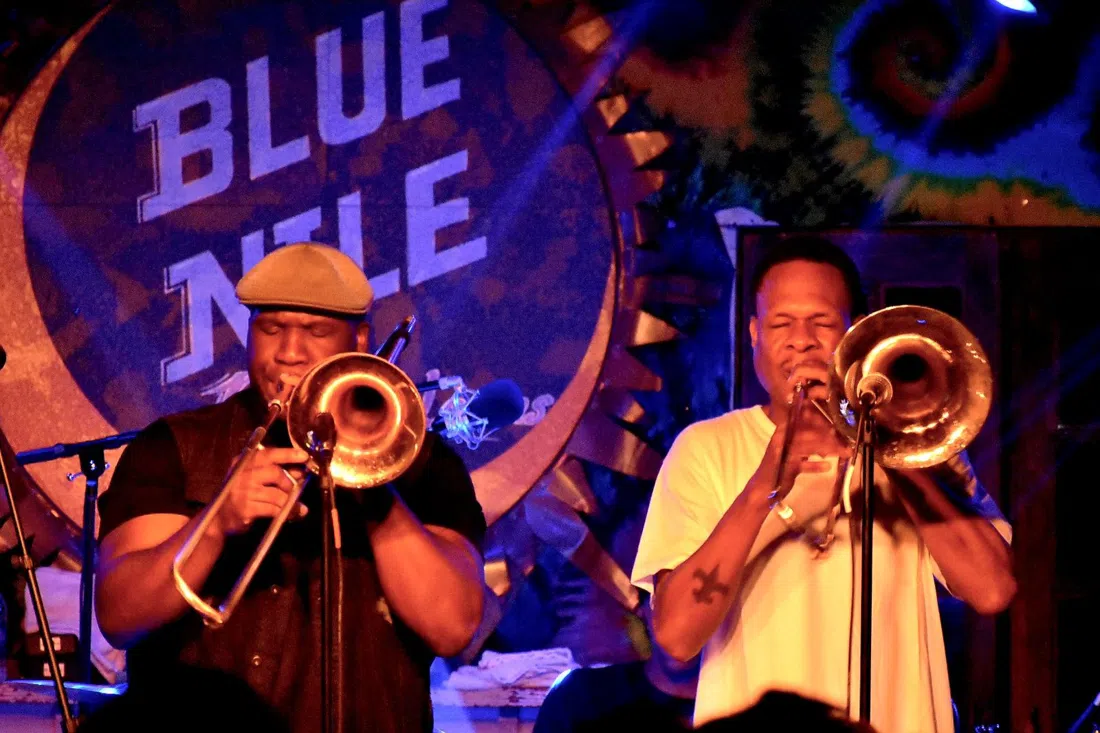
Blue Nile, also on Frenchmen, is arguably the club that built the street's reputation as a live-music destination in the first place, and it still runs Kermit Ruffins & the BBQ Swingers on Fridays — a genuine New Orleans institution, not a tribute act. It's 21+, door tickets, $10-25 depending on the bill, and the two-room layout means a bigger group can spread across both floors rather than needing one table.
d.b.a. sits further down the block and leans more eclectic than its neighbors — Tuba Skinny plays here regularly alongside touring acts that don't necessarily fit the trad-jazz mould. There's no table reservation system, but the room is built for standing and bar space, so groups are genuinely fine here; cover runs $10-20 with no minimum.
For a group that wants dinner and a show rather than a club night, Three Muses is the pick — small plates and a full bar, two different bands play each night, no cover at all. It's walk-in only and closed Tuesdays, so arrive early if there are more than two of you; there's no phone line to call ahead on, which is the one thing to plan around rather than fight.
The St. Claude Avenue Arts Corridor
A mile or so past Frenchmen, St. Claude Avenue picks up where the Marigny's tourist gravity runs out. This is the corridor where brass, punk, burlesque, and drag genuinely share bills — not as a marketing line, but because the venues are small enough that one stage does everything.
Siberia anchors the DIY end of it: bands, burlesque, and comedy under one roof, cheap drinks, $5-15 cover. Groups are welcome at the bar as-is; for anything larger or private, email [email protected] ahead rather than turning up and hoping there's space.

Next door in spirit, The AllWays Lounge & Cabaret was named the corridor's #1 show club in 2025, and burlesque, drag, and live music sit side by side on the same bill most nights — the clearest single stop for the arts-corridor mix this guide is chasing. It's 21+ with ID required, $10-20 cover depending on the night, and the two-entrance layout means a bigger group can split across both rooms if one fills up.
Café Istanbul, part of the same building complex, is the corridor's actual stage — a real sound system and a proper room, rather than a bar with a PA wedged in a corner, which is where the brass bands and touring acts that need it end up. Shows are ticketed, which suits groups well; contact the venue directly for a block booking.
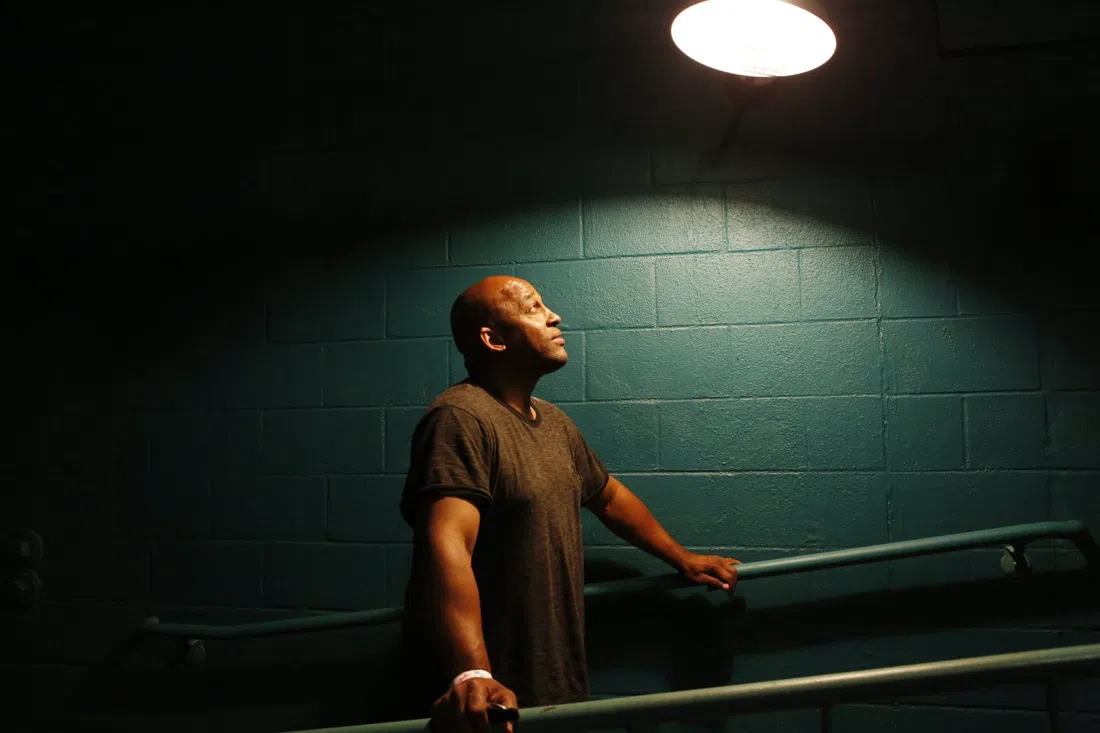
A few minutes further along, Sweet Lorraine's Jazz Club has been running for over thirty years and, at 200-plus capacity, is one of the few rooms on this list built to comfortably hold a big group — call (504) 945-9654 ahead. It's closed Monday and Tuesday, with dinner-plus-cover pricing that varies by act, and it draws both legends and rising local players without the Bourbon Street mark-up you'd pay for a room this size in the Quarter.
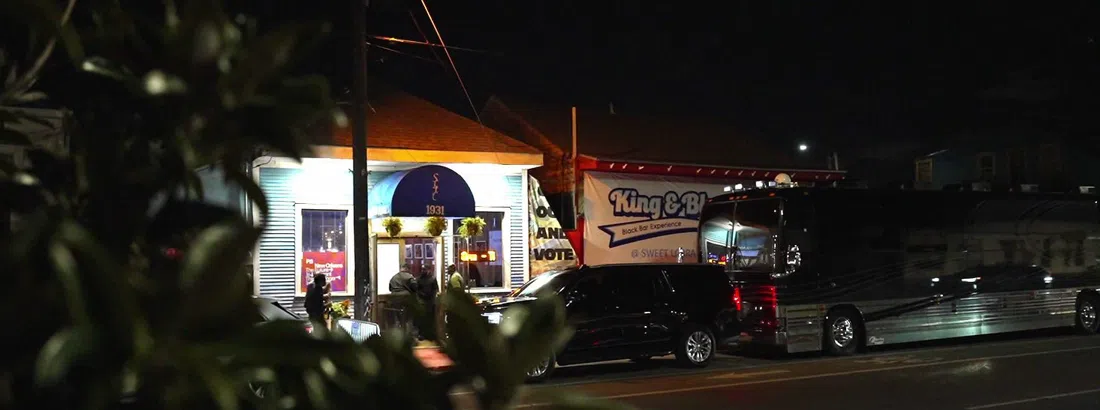
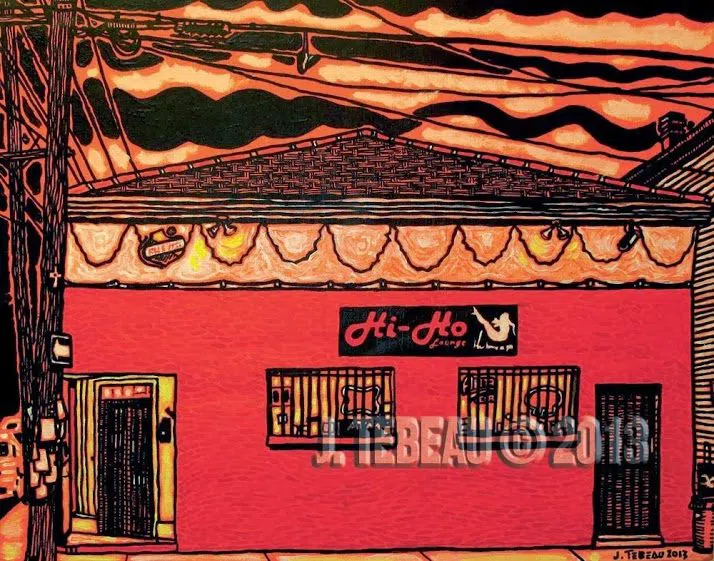
HiHo Lounge is the corridor's genuinely eclectic, locals'-room stop — bluegrass one night, brass the next, indie after that — open daily, walk-in casual, low or no cover. The club changed hands a couple of years back and directories haven't all caught up, so it's worth checking the current booking calendar before you commit a group to a specific night.
Tremé, Where the Rehearsal Is the Show
Head instead toward Tremé and the music stops being staged for an audience at all — it's simply what the neighborhood does on its own schedule, and a stranger is welcome to watch as long as they understand it isn't there for them.
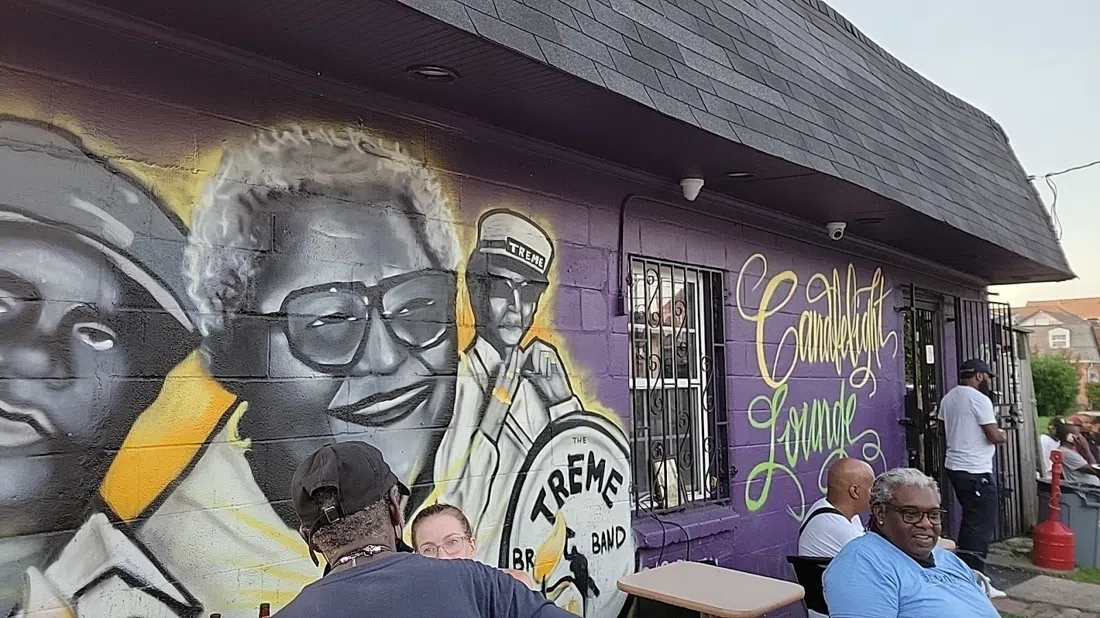
Candlelight Lounge is the realest version of that: a very small room, a cash cover that gets you a plate of red beans and rice along with the music, and a weekly brass-band night that's shifted enough over the years that the only reliable move is to call ahead — (504) 906-5877 — and ask what's actually on. Go early; a large group will genuinely struggle to all find a seat once the room fills.
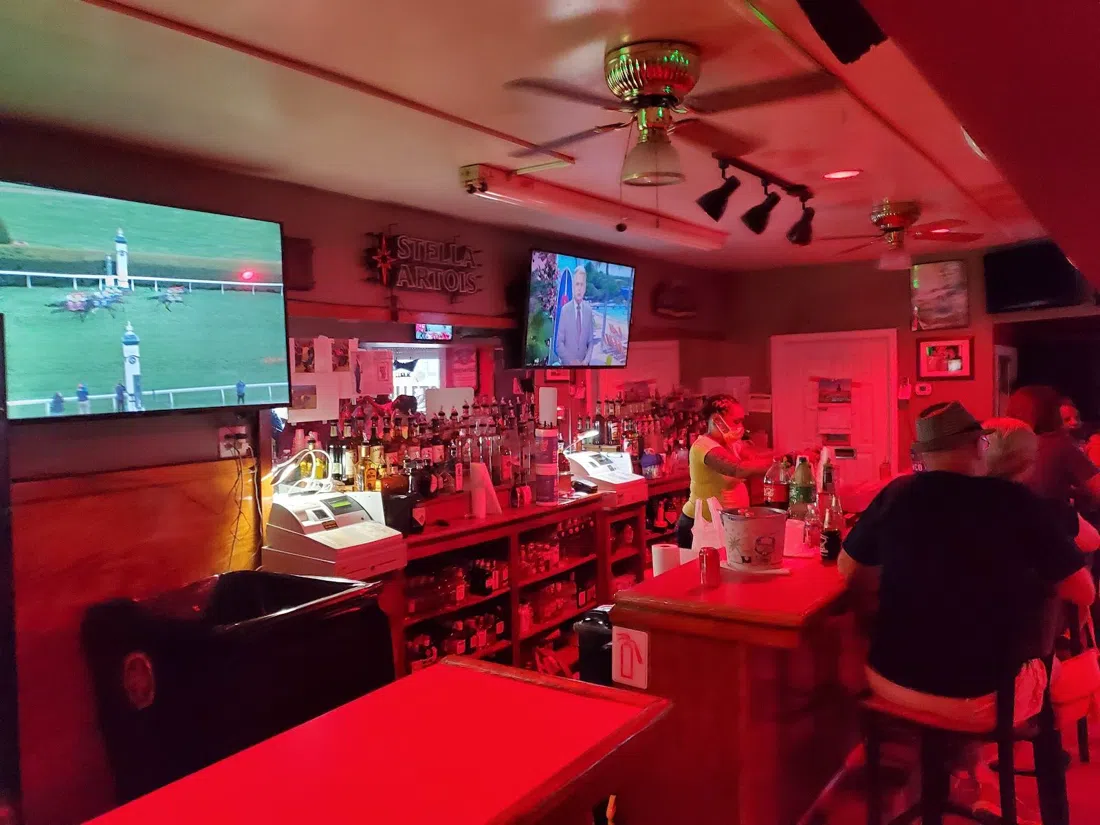
A few blocks over, Bullet's Sports Bar is a proper neighborhood dive rather than a venue built for visitors: low or no cover, cash drinks, and a locals-heavy door that enforces a 30+ age policy on some nights specifically to keep the room calm. The Pinettes Brass Band and Kermit Ruffins have both turned up here unannounced — call ahead if you're bringing a group, both to check the night and to be a known quantity at the door.
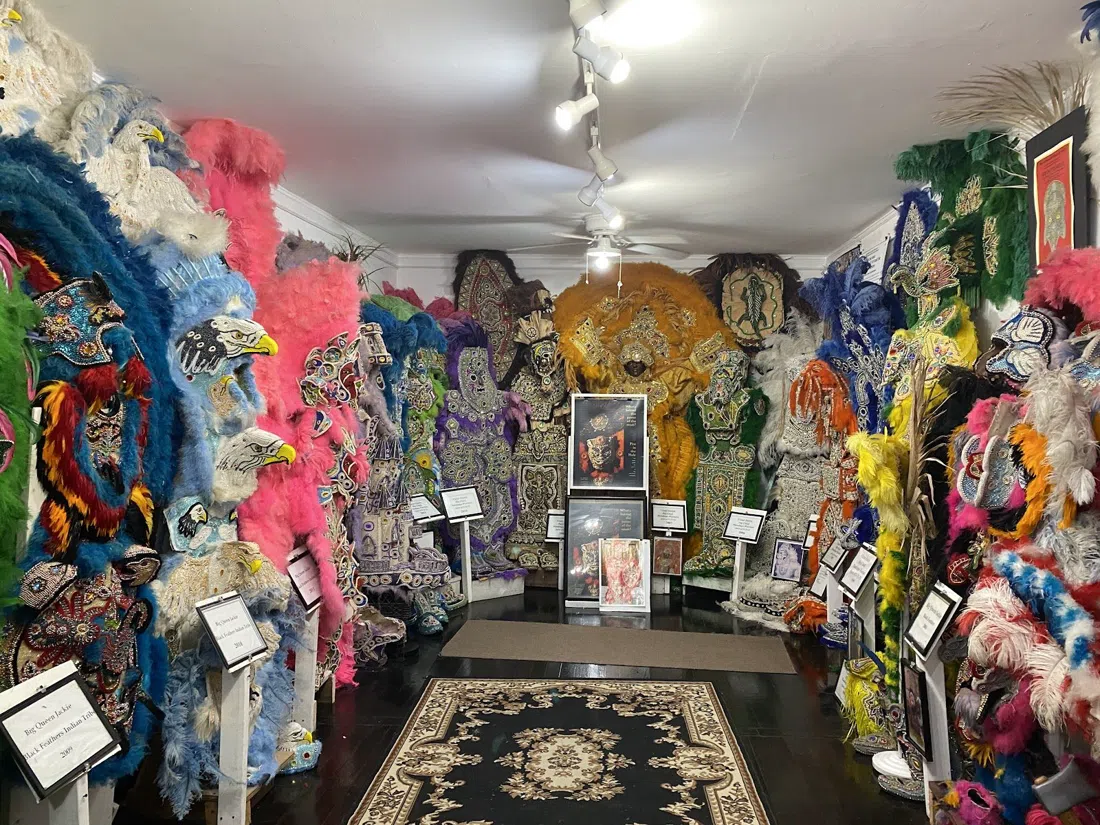
Before or after either bar, the Backstreet Cultural Museum isn't a music venue, but it's the piece that makes the rest of Tremé make sense — a small museum where the Mardi Gras Indian and Social Aid & Pleasure Club second-line traditions are explained by people who've lived inside them, not by a wall plaque. It's closed Sunday and Monday, $10 general admission ($8 senior/student, free under 12), and the space is small enough that larger parties should call ahead before turning up as a group of fifteen.
Beyond the Quarter: Uptown and Bywater
Two more stops sit outside the French Quarter/Marigny/St. Claude cluster entirely and are worth the trip on their own terms.
Maple Leaf Bar, up in Carrollton on Oak Street, has hosted Rebirth Brass Band's Tuesday-night residency since 1990 — the longest-running brass-band institution in the city, and reason enough to leave downtown for an evening. Standing room is casual and fine for groups; for anything bigger, there's a private-events page. One thing to check before making the trip in 2026: the bar takes its annual summer break through August 13, so confirm the residency has resumed for the date you're planning around.
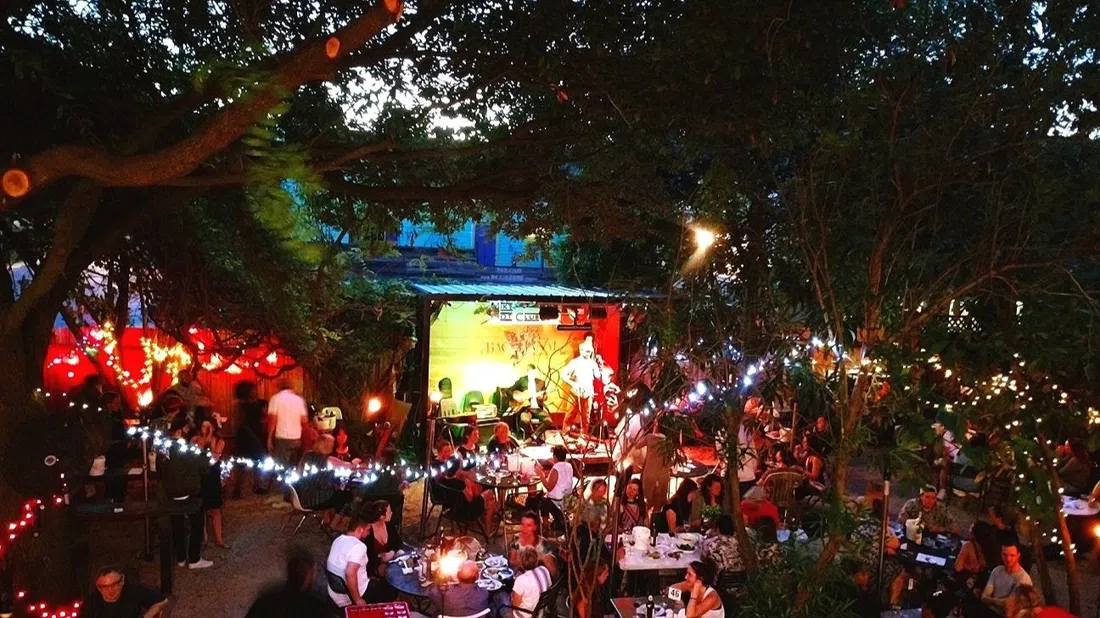
In Bywater, Bacchanal Wine runs live music nightly in a genuinely beautiful courtyard — no cover for the regular sets, wine and small plates instead of a bar tab — and it's one of the few venues on this list actually built to handle a big group, from 10 up to 200, with an upstairs back room that holds around 50 standing. Email [email protected] ahead for anything beyond a casual few people.
Also in Bywater, Music Box Village is the outlier on this whole list — an art installation of playable, musical shantytown structures built by New Orleans Airlift, open weekend daytime hours plus select Friday-night concerts. It's the most literal answer to "music that happens when nobody's watching," because the structures themselves are the instruments, and there is genuinely nowhere else like it anywhere. Check the calendar before planning a visit: $15 adult / $7 child for regular hours, around $20 for the Friday concerts.
Practical Notes
Getting between neighborhoods. Frenchmen Street, the St. Claude corridor, and Tremé are walkable to each other in daylight but spread out enough at night that a rideshare or the St. Claude streetcar line is the better call after dark — don't walk St. Claude Avenue alone late at night. Carrollton, for the Maple Leaf, is a proper trip from downtown; budget 20-30 minutes each way.
Cash. Carry it. Several of the best rooms on this list — the Spotted Cat, Candlelight Lounge, Bullet's — are cash-only or work far more smoothly with cash, and covers at the smaller venues are collected at the door in cash even where the bar itself takes cards.
Timing. New Orleans music runs later than a lot of cities expect — 9-10pm is a normal start for the second set at most Frenchmen Street rooms, and Tremé bars keep their own hours entirely, often not settling until the band actually shows up. Don't plan a single-venue night; build a corridor crawl and let each stop run 45-60 minutes before moving on.
Budget. A night on Frenchmen Street with one paid-cover club and a couple of no-cover stops runs comfortably under $60 a person including drinks; the St. Claude corridor is similar or cheaper. The Tremé venues are the best value in the city for what you hear — a $10-20 cash cover and a plate of food alongside it is normal.
Where to stay. Frenchmen Street and the Marigny put you in walking distance of most of this guide; check New Orleans hotel search for options in that pocket of the city, and see the full New Orleans guide for everything else worth doing between sets.