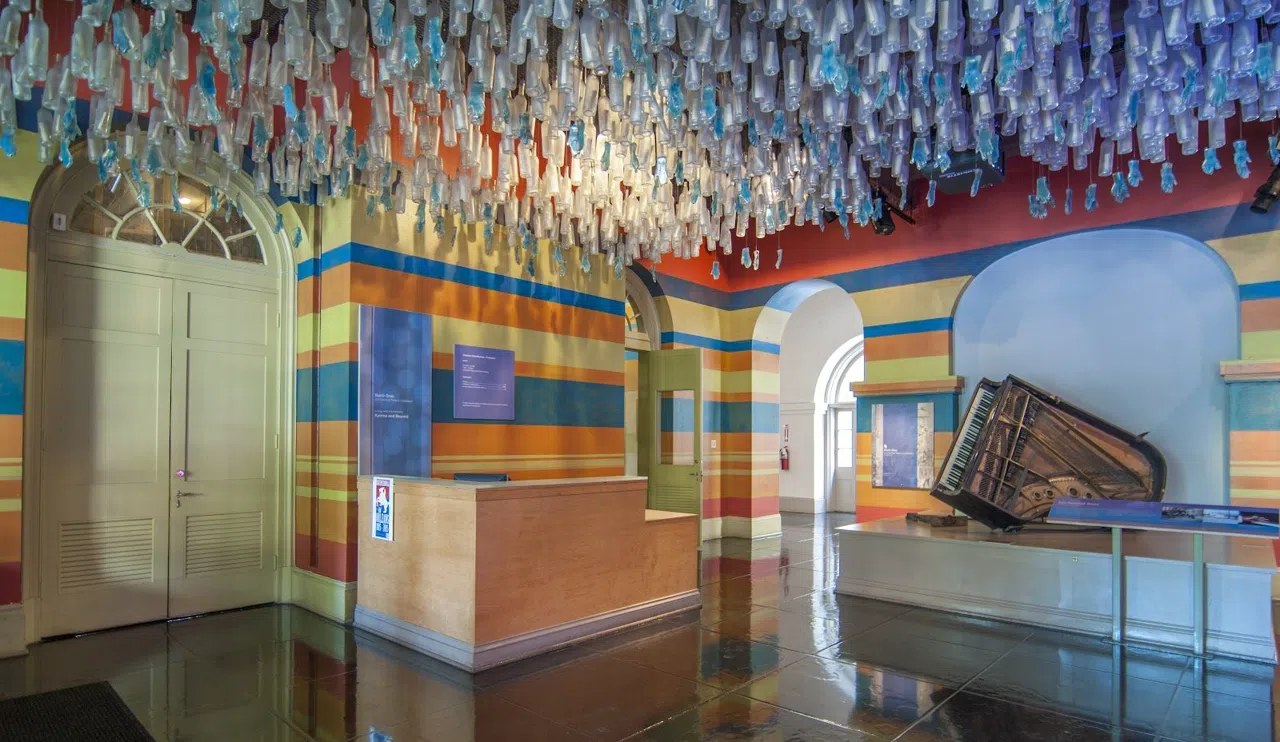

Every December, while the parade calendar is still months off, a second Carnival gets underway behind the shuttered doors of Uptown mansions. Old-line krewes present their daughters to society in ball gowns with trains that took a year to sew, at events with no public guest list, no press line, and no way in for anyone outside the family. You will not be invited. But you can walk the same oak-lined streets, eat at the same tables the courts have booked for generations, and stand close enough to the actual regalia to understand exactly what all that secrecy is protecting — and this guide is the route through it.
Seeing the Regalia Without an Invitation
The closest most visitors will ever get to a debutante's court is a glass case, and New Orleans has three museums that do the job properly rather than decoratively. The Presbytère (Louisiana State Museum, French Quarter) houses the permanent "Mardi Gras: It's Carnival Time in Louisiana" gallery, where actual krewe-royalty gowns, crowns, and courtroom regalia are displayed at close range — this is the single best place in the city to see what a queen's court really wears, not a costume-shop approximation of it. Admission is around $10 for adults, and Louisiana residents get in free on Sundays; group visits of 10 or more can be booked in advance through the Louisiana State Museum's group tour desk, making it an easy, unhurried first stop before you go looking for the living version of what's in the cases.
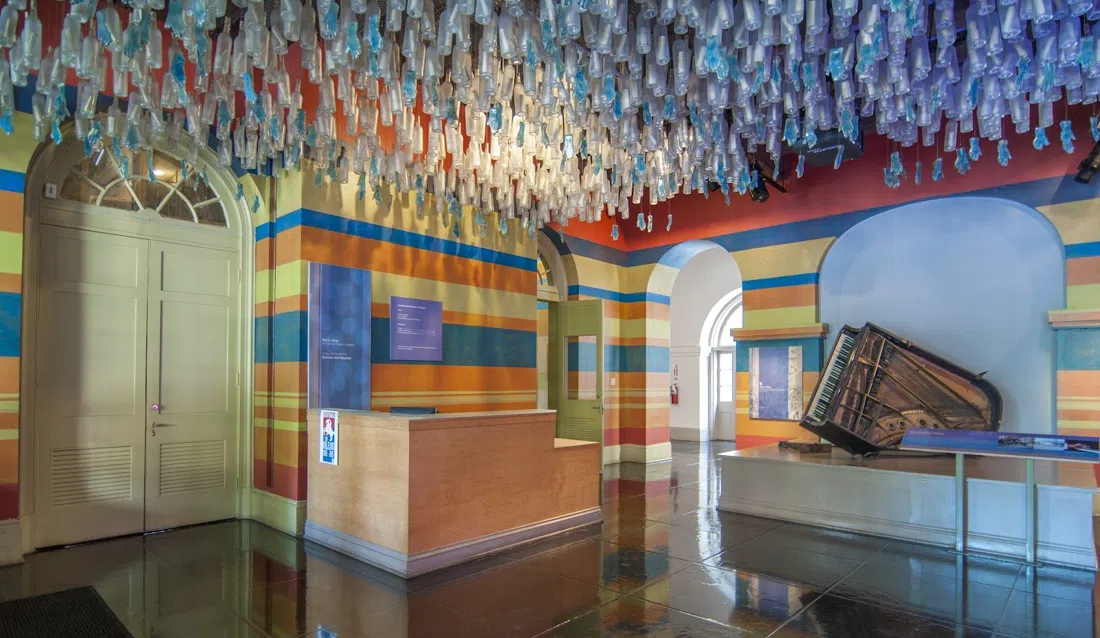
A few blocks away on North Rampart Street, at the edge of the French Quarter, the Mardi Gras Museum of Costumes & Culture goes further than any other institution in town: it lets you actually handle and wear real queen's-court regalia rather than just look at it through glass. General admission runs $20–25, but the museum is really built around its guided Saturday Mardi Gras Experience (12pm and 2pm), a $50-per-person, minimum-20-guest deep dive that's the most literal myth-versus-reality prop room the city has to offer — book the group slot if you have the numbers, since the casual walk-through undersells what's here.
For the less glamorous, more honest half of the story, the Southern Food & Beverage Museum (SoFAB, inside the historic Dryades Market on Oretha Castle Haley Boulevard, Central City) is worth the detour. Its Museum of the American Cocktail wing traces the punches and juleps actually served at old Carnival balls, a factual counterweight to the mystique with none of the theater — around $12 for adults, with group tours available if you contact ahead.

Touring the Den Where the Ballroom Sets Are Built
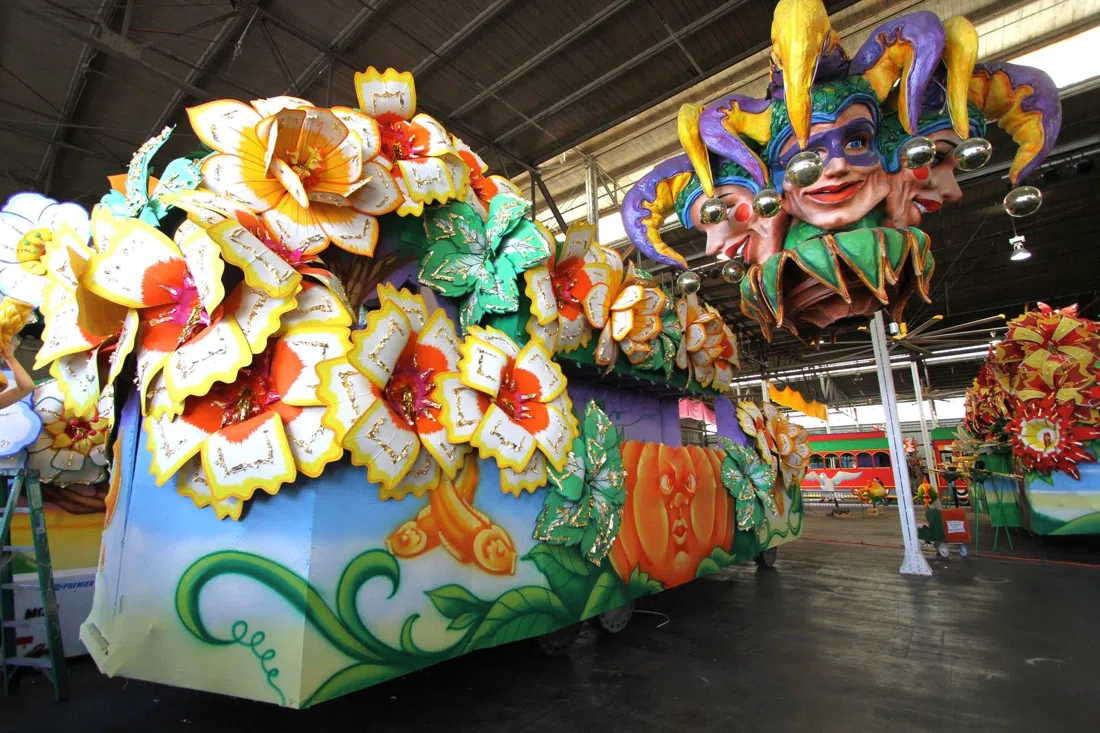
Mardi Gras World, on the riverfront near the Ernest N. Morial Convention Center, is Blaine Kern's float den, and it's explicitly built for groups — field trips, reunions, corporate outings — with a free shuttle running from twenty pickup points downtown. Admission is about $25 for adults. What most visitors don't clock is that the same artists building parade floats here also build the ballroom sets and tableaux backdrops for the private Carnival balls no outsider will ever enter; walking the warehouse floor among half-finished figures is, oddly, the most backstage a stranger can get to the season itself. It's a loud, kid-friendly, thoroughly public experience — the opposite of everything it's showing you the machinery behind, which is exactly the point.
Lunching Where the Old-Line Families Still Sit
Three restaurants in New Orleans are less "Carnival-adjacent" than actually load-bearing to the season, and all three will seat a visitor who plays by their particular house rules.
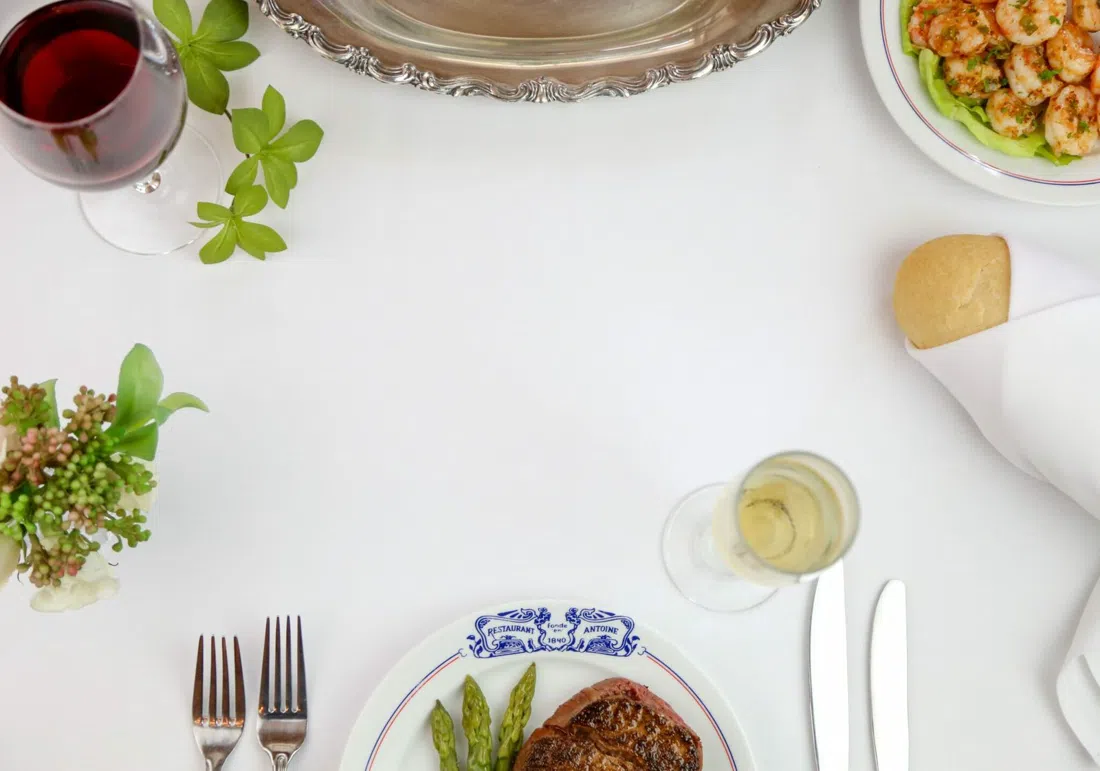
Antoine's Restaurant (French Quarter) is the most direct link: it has four private dining rooms — Rex, Proteus, Twelfth Night Revelers, and the Hermes Bar — literally named for and decorated by the old-line krewes. Lunching here after a parade is a 175-year-old ritual for the same families who run the secret balls, and parties of 13 or more can book through the private-dining team, though the response window runs about 72 hours, so plan ahead. Expect $$$$ pricing, with entrées in the $30–65 range.
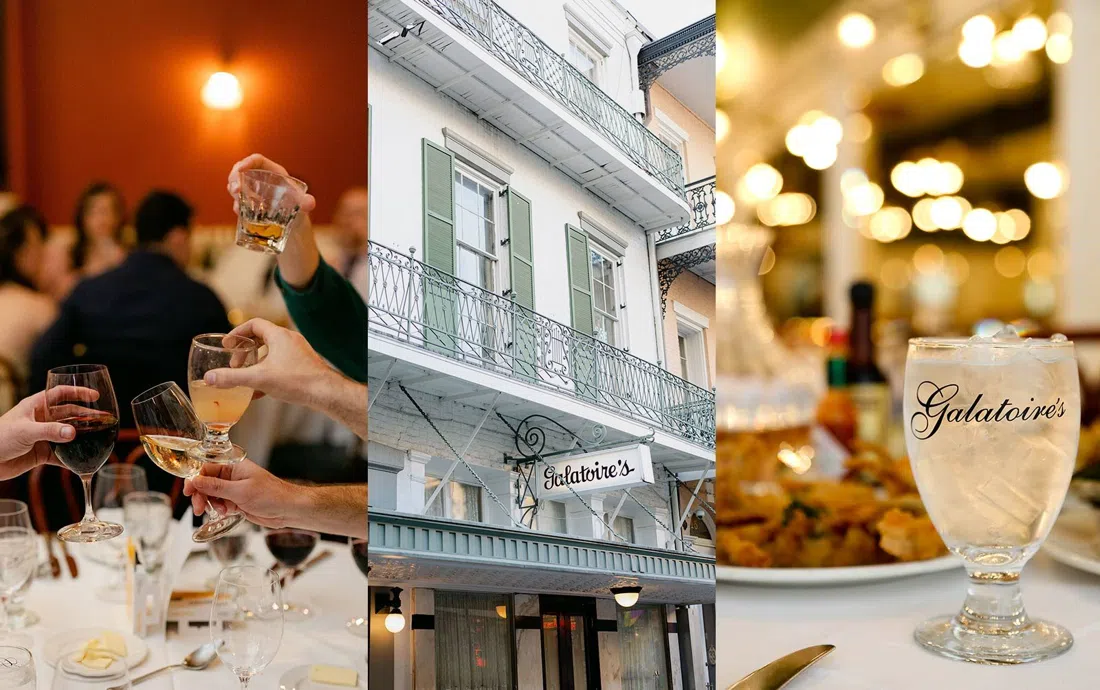
Galatoire's Restaurant (French Quarter, Bourbon Street) splits itself in two: the famed downstairs room is walk-in only — no reservations, no groups, ever — while the upstairs dining room takes reservations for private parties. Friday lunch downstairs is itself a Carnival-season institution, a live weekly rehearsal of the city's social hierarchy where old-line families have held the same tables for generations. If you want the real texture of the ritual, go downstairs and queue like everyone else; if you're organizing a group, take the upstairs room instead. Entrées run $30–50.
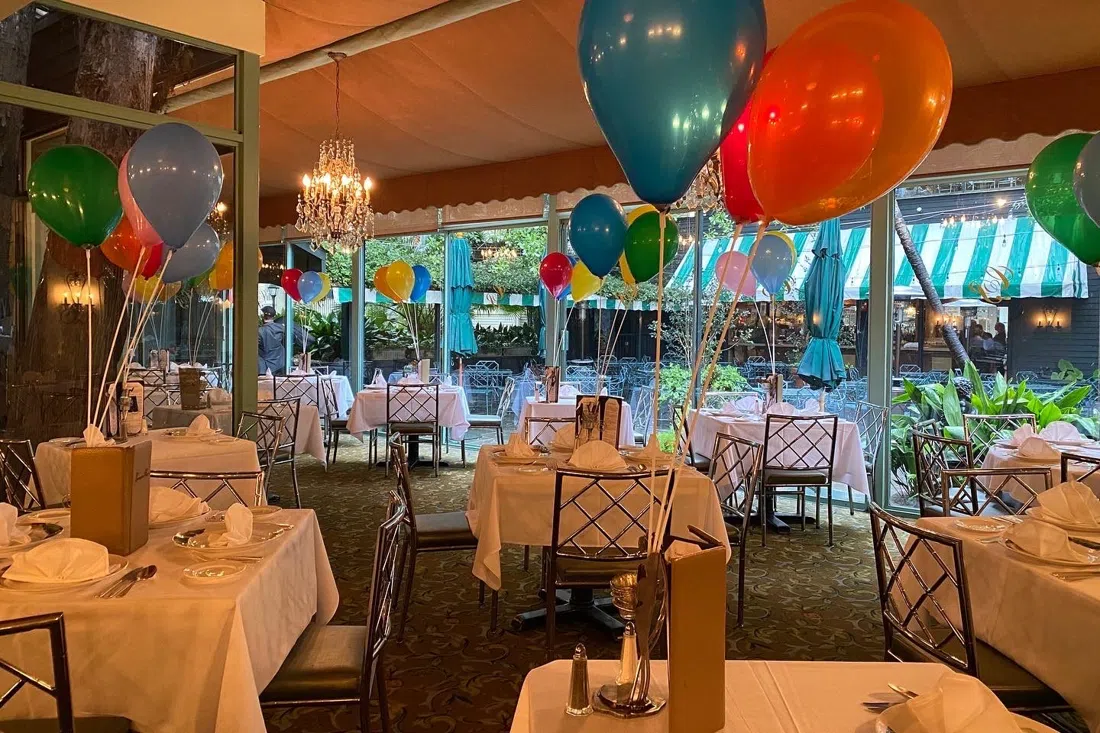
Commander's Palace (Garden District) is the most visitor-friendly of the three — a seven-time James Beard Award winner two blocks from the mansions that host the private balls, with private dining rooms and a garden room bookable for groups through Tock. Its jazz brunch (around $60) is the closest a visiting outsider gets to Uptown's dining rituals without a guest list, and at $$$$ with entrées $35–60, it's the one of the three that actually wants your reservation rather than merely tolerating it.
Walking the Streets Where the Courts Actually Live
The balls happen behind doors, but the mansions that produce them sit in plain sight along St. Charles Avenue and its side streets, and this is where a good guide earns their fee.
Two Chicks Walking Tours (Garden District) deliberately caps its groups at 14 people, well under the city's 28-person allowance, to keep the experience conversational rather than crowd-managed. The guides — city planners, archivists, authors — walk you past the actual houses where debutante families still live today, cutting through the postcard version of the neighborhood to who really owns these mansions now. Tours run about $30–35 per person for two hours, with private and group bookings available; this is the single best organized way to get honest historical context on the season rather than folklore.
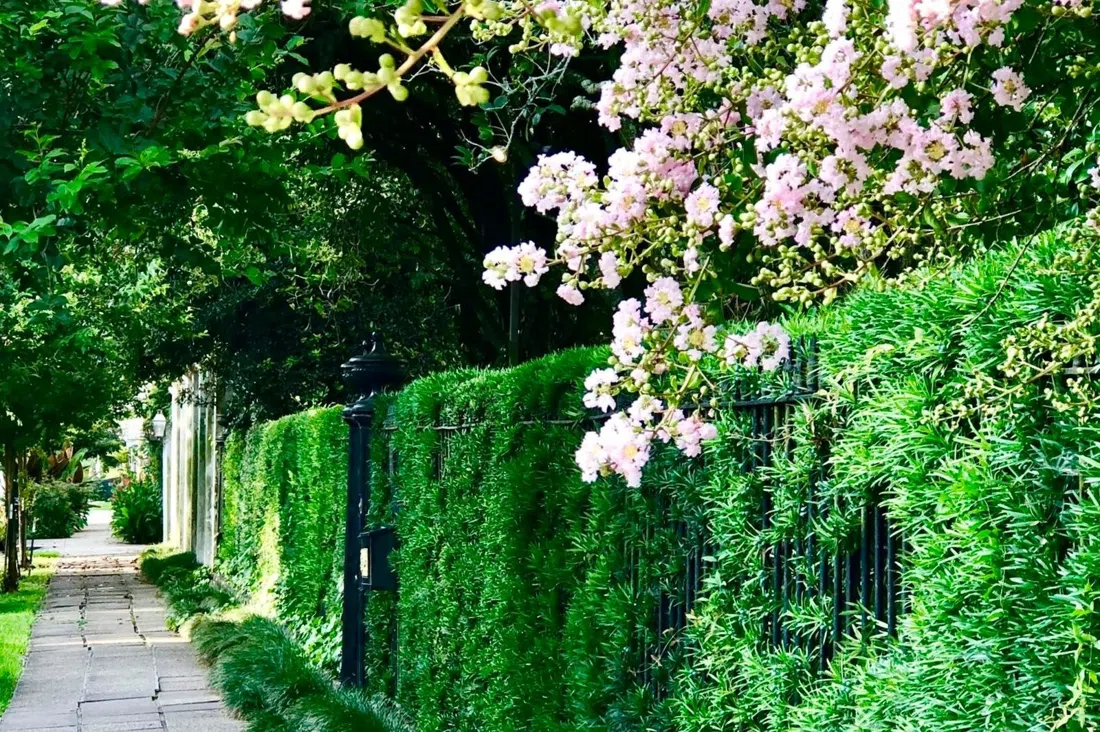
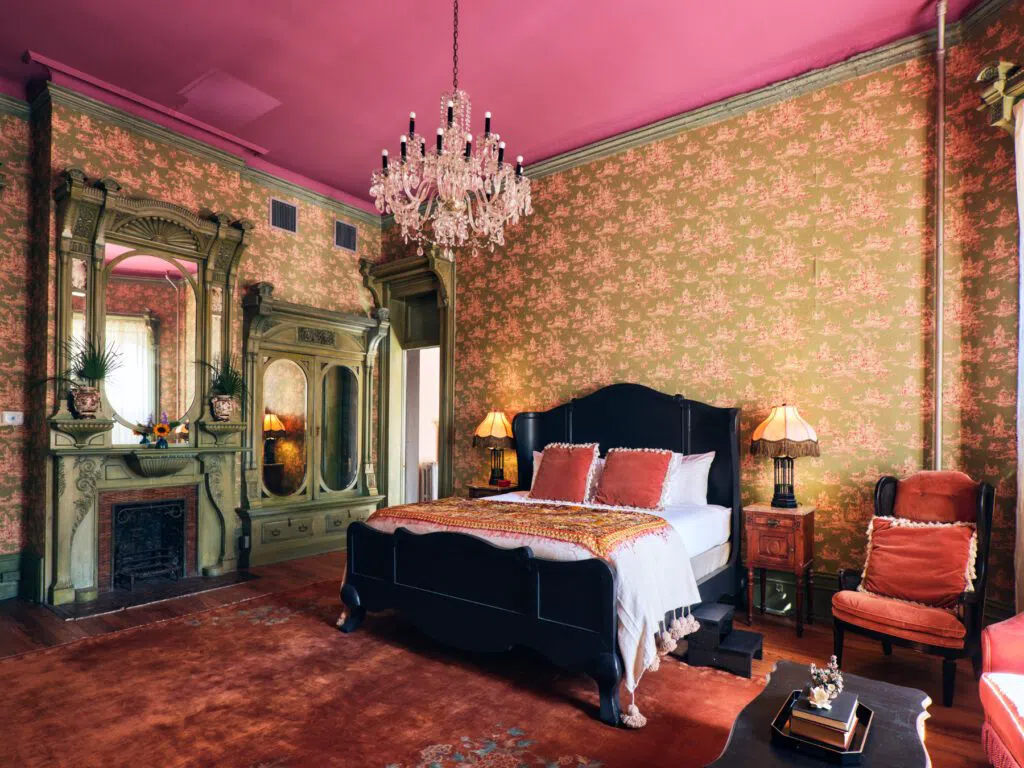
Afterward, walk or streetcar up to The Columns (St. Charles Avenue, Uptown), a hotel and porch bar built in 1883 as a private residence — recognizable to film buffs as the bordello set in Pretty Baby. The patio is walk-in, no reservation required, though larger parties should book the porch ahead. This is where the same St. Charles Avenue families who run the secret season have been drinking in public for 70 years, cocktails running $12–16, and it's as close as a stranger gets to simply sitting among them.
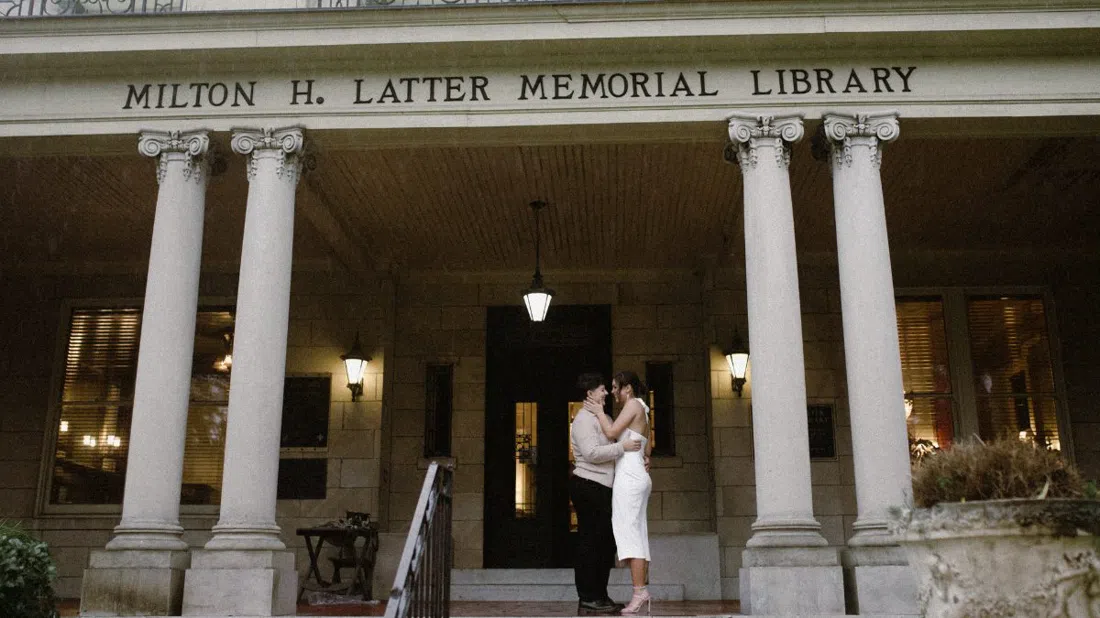
A few blocks further along St. Charles, the Milton H. Latter Memorial Library (Uptown) is free and open to anyone who walks in — a real 1907 society house turned public reading room, no invitation required, and one of the only Carnival-era Uptown mansions the public can enter unannounced. Call ahead only if you're bringing a larger group; otherwise, just go in.
Touring the Grand Houses Behind the Old Wealth
Two house museums show the private, formal-entertaining machinery that debutante season still runs on, and they sit at opposite ends of the city's Carnival-era social geography.
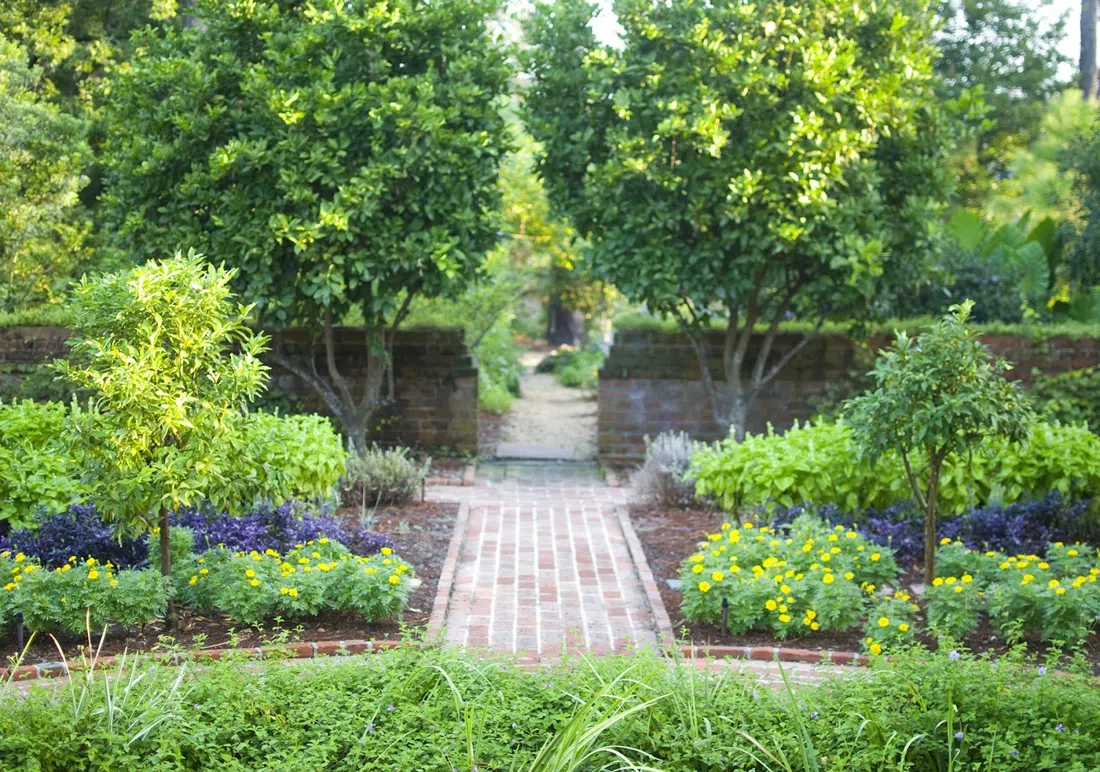
Longue Vue House and Gardens (Lakewood, near City Park) was the Stern family estate — Edith Stern was a major Carnival-era philanthropist — and its eight acres of formal gardens are the clearest picture available of the private-garden, formal-entertaining side of old Uptown wealth. General admission is $15 for the gardens or $27 for the full house tour, with a group rate for 15 or more available by emailing [email protected]; ask about the behind-the-scenes and three-hour deep-dive tours if you want more than the standard walk-through.
Hermann-Grima + Gallier Historic Houses (French Quarter) shows the unglamorous reality underneath the ballroom myth: the actual kitchens, stables, and servants' quarters that made 19th-century Creole high-society entertaining possible. General admission runs $14–16, and group or private tours for up to 16 people are available by reservation at $320 per hour for one house — a genuine option if you want a docent's undivided attention rather than a scheduled public tour slot.

Finding a Legitimate Door Into Uptown Philanthropic Society
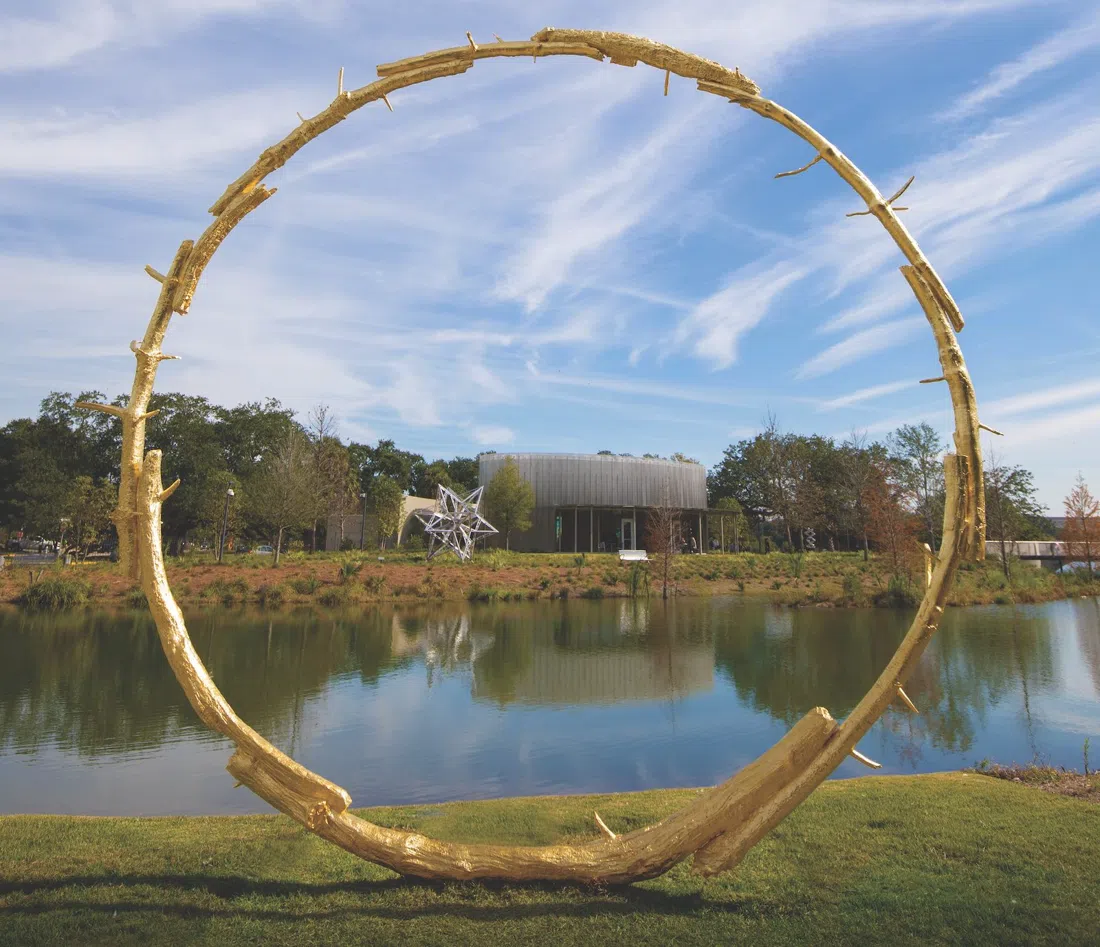
If actually watching Uptown society gather — rather than reading about where they live — is the goal, the New Orleans Museum of Art (NOMA, City Park) is the legitimate, ticketed way in. NOMA hosts the city's major charity galas that shadow the private ball calendar all winter, meaning a visitor with a ticket can be in the same room as the same donor base that fills the debutante ballrooms, minus the presentation itself. General admission is about $15, free for Louisiana residents on Wednesdays, and group tour reservations go through 504.658.4100 or [email protected]. It's the one entry on this list where you're not observing the world of the balls from outside — you're inside its actual social calendar, just at a different kind of event.
Planning Your Visit
Carnival season proper runs from Twelfth Night (January 6) through Mardi Gras Day, but the debutante and cotillion season that this guide traces actually starts earlier, with presentations and balls scheduled from December through February — so a December or January visit gets you the social season without the parade-week crowds and hotel surge pricing that hit in the two weeks before Mardi Gras itself. Start your planning with the New Orleans guide for the wider city context, and book early if you're aiming for the late-January or February window, when both restaurant private rooms and the guided museum slots above fill up fastest.
Uptown sits along the St. Charles Avenue streetcar line, which is the easiest and cheapest way to move between the Garden District restaurants, The Columns, and the Latter Library — a day pass costs a few dollars and beats parking on residential streets where debutante families actually live. The French Quarter venues (Antoine's, Galatoire's, the Presbytère, Hermann-Grima + Gallier) cluster within easy walking distance of each other, so pair them on a single day rather than crossing town twice. Carry some cash for tips and smaller museum gift shops, though every venue on this list takes cards. Budget for a genuinely wide range: a Latter Library visit or a Columns porch beer costs next to nothing, while a private room at Antoine's or a full Longue Vue house tour for a group will run well into the hundreds. If you're staying multiple nights to spread these across two or three unhurried days rather than one exhausting one, New Orleans hotel search is the place to start — aim for something near the St. Charles line if Uptown is your priority, or the French Quarter/CBD if you'd rather anchor near Antoine's and the Presbytère.
None of this gets you an invitation to an actual ball — that world remains, deliberately, closed to outsiders. But between the regalia in the museum cases, the float den where the ballroom sets are built, the tables the same families have held for generations, and the streets their houses still line, you leave with a far more accurate picture of Uptown's secret season than any parade-route spectator ever gets.