The New Orleans issue
The Gumbo Pot: New Orleans' Creole Trinity and Where to Taste It
Okra, roux, and file powder are gumbo's real holy trinity, and in 2026, thirteen kitchens from Treme to the Marigny are still arguing over which does it best.

By Robin de VriesThe city by streetcar line, block by block
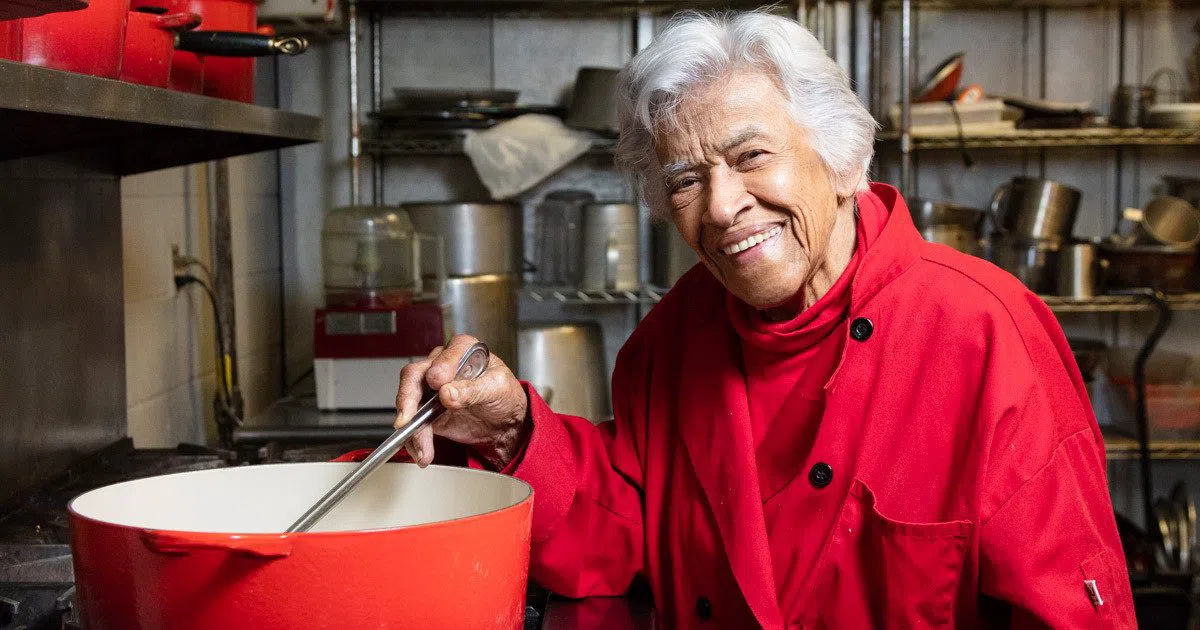
New Orleans keeps its truest recipes not in glass cases but in roux pots, stirred for forty minutes past the point most cooks would give up, until the flour and oil turn from blond to the color of an old penny. Okra, roux, and file powder are gumbo's real trinity here — not the diced onion, celery, and bell pepper of a French mother sauce, but three separate, sometimes competing ways of thickening a pot, each tied to a season, a neighbourhood, and a quiet argument about which method is correct. Some kitchens make their case with a roux dark enough to taste faintly of coffee; others let stewed okra do the work all summer, then switch to file — the ground sassafras leaf Choctaw cooks brought to the pot generations ago — once the plant goes dormant in the fall. What follows is a walking-and-driving route through the kitchens, from Treme's shotgun-house counters to French Quarter dining rooms to Mid-City strip malls, still settling that argument bowl by bowl in 2026.
Treme: Where the Recipe Lives
Treme is the neighbourhood most New Orleanians will tell you to start in, and not for nostalgia's sake — the gumbo here is simply still being made by the families who've always made it.
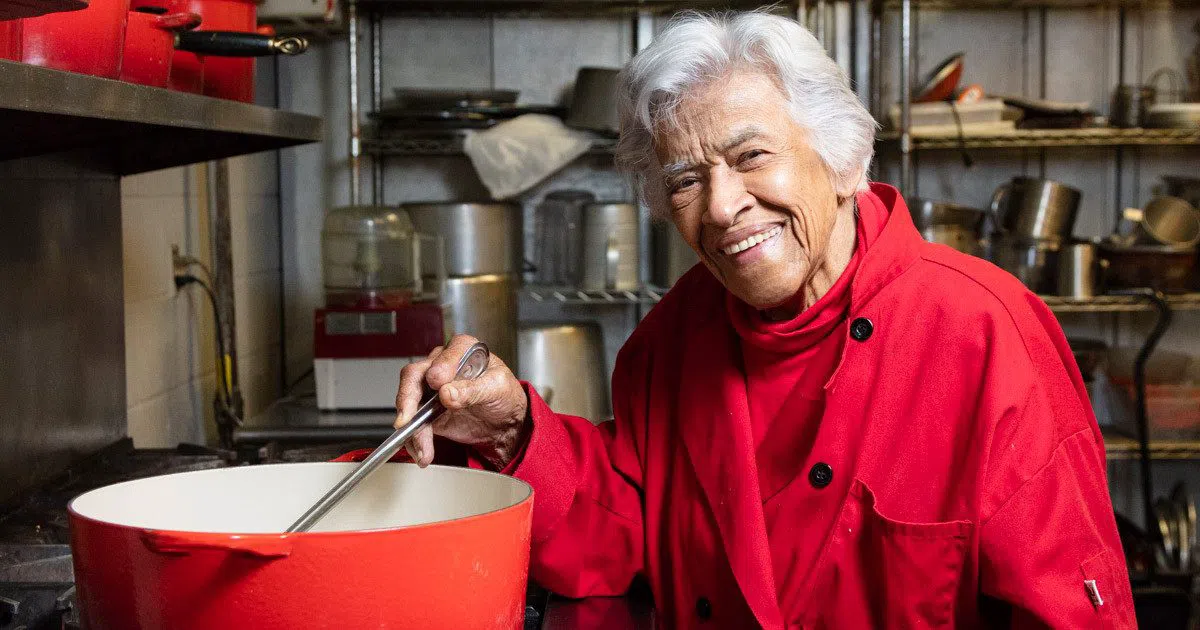
Dooky Chase's Restaurant (Treme) is the closest thing the city has to a Creole cathedral. The late Leah Chase's gumbo z'herbes — a dense, green, dozen-herb gumbo traditionally eaten on Holy Thursday — is the dish that put the restaurant in food-history books, but it's a once-a-year event tied to the Lenten calendar, not something you can walk in and order on a Tuesday. The everyday reason to book is the seafood-okra gumbo, a steadier, year-round pleasure. This is a proper sit-down restaurant that takes reservations and regularly hosts group and tour bookings for lunch, so call ahead for parties rather than assuming a table will be free — it's popular for a reason, and the dining room has hosted everyone from civil-rights leaders to sitting presidents. Budget $$-$$$.
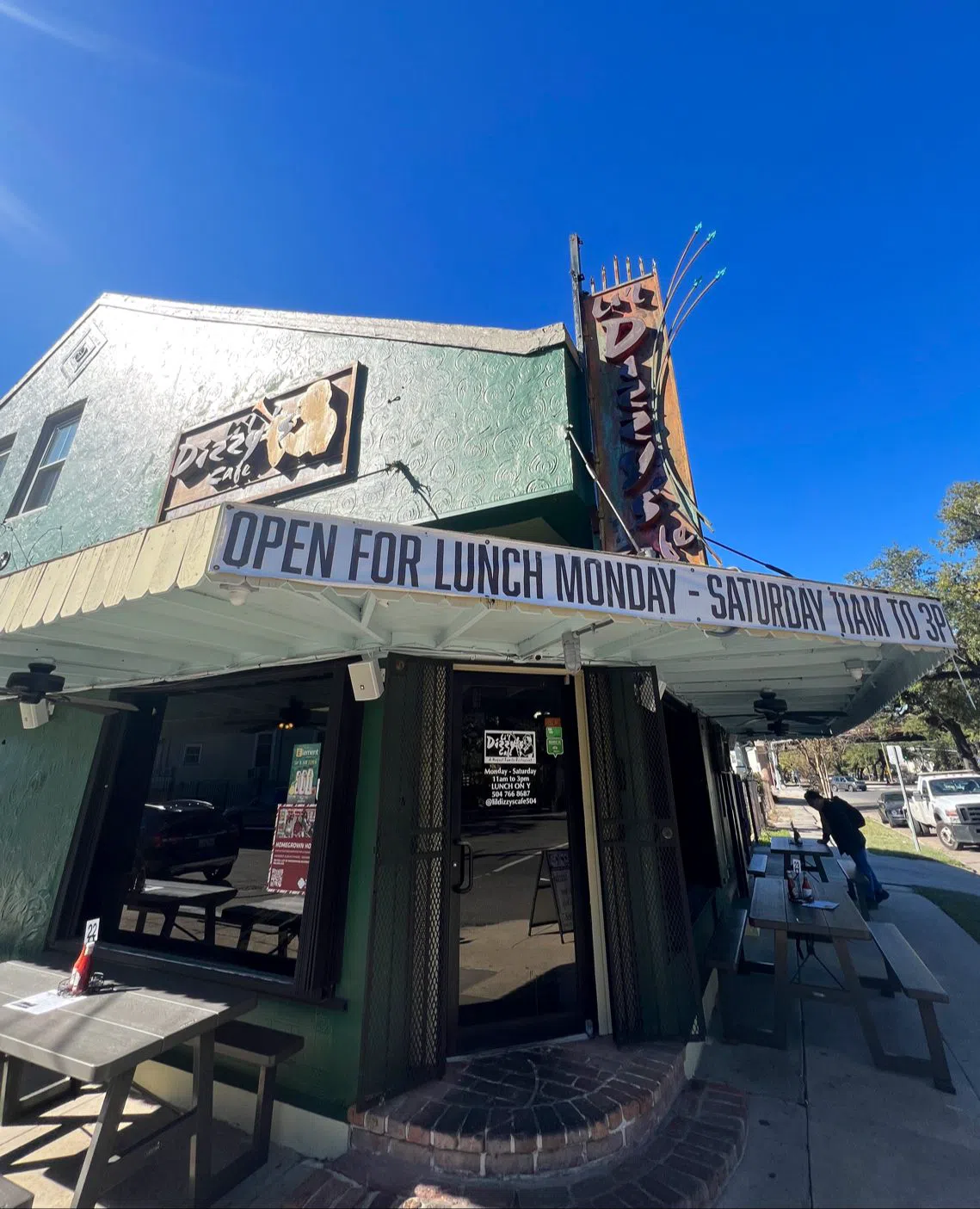
Li'l Dizzy's Cafe (Treme) is the unglamorous, essential counterpoint just down the road: a cafeteria-style counter where a family that's fed this neighbourhood for generations ladles out a deep, liquidy file gumbo every single day it's open. There's no formal group-reservation system, but the room can absorb small-to-medium parties without fuss — you queue, you order, you find a seat. The catch is timing: it's a lunch-only operation that closes at 3pm, so this is a late-morning or early-afternoon stop, not a dinner plan. Cheap, fast, and unfussy at $.
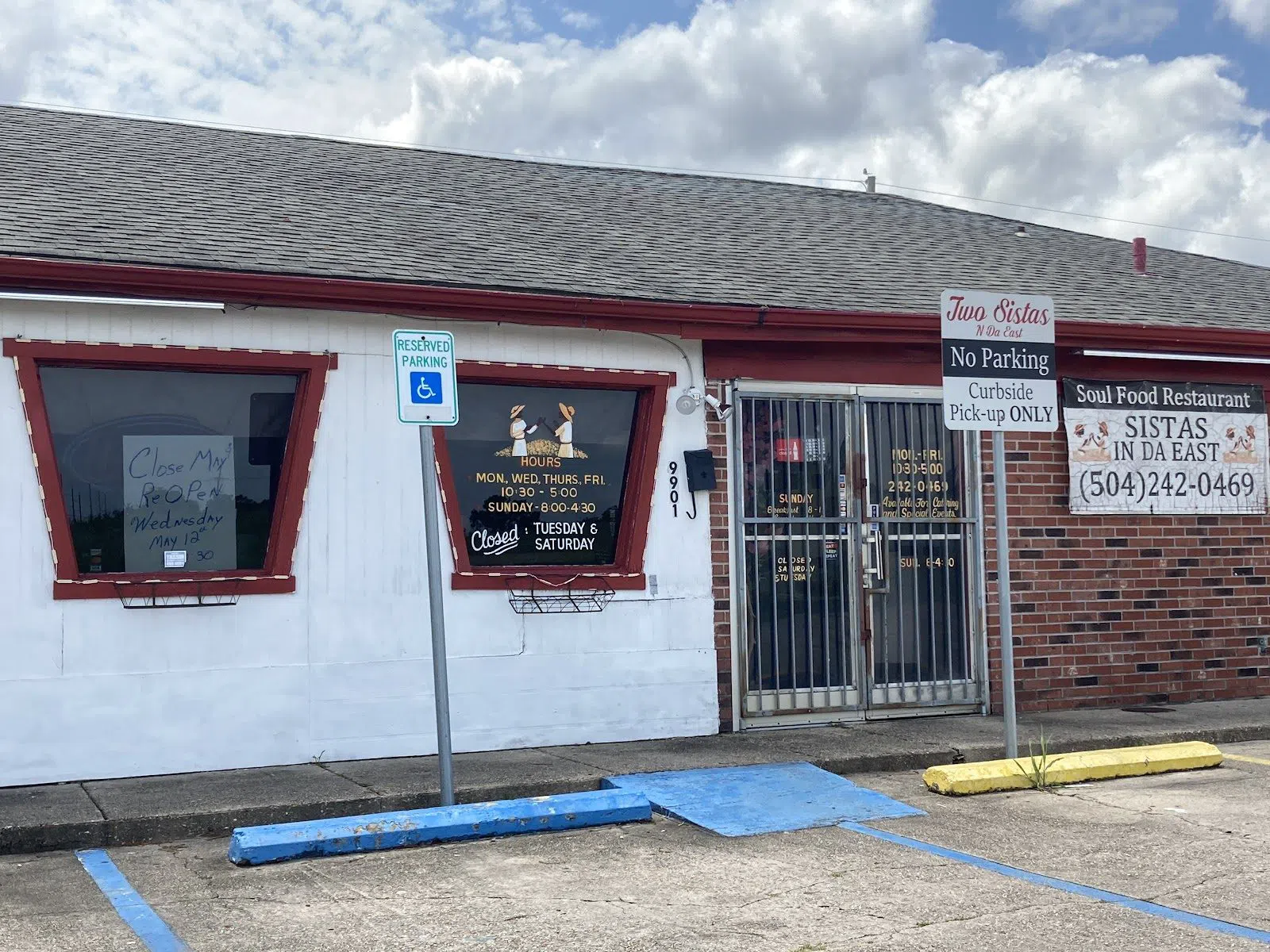
Two Sisters in Treme (Treme) runs on an even tighter clock. The Finister family's gumbo — shrimp, crab, hot sausage, giblets, okra, and file all in the same pot — only appears on the plate-lunch counter on Fridays and Saturdays, so it has to anchor your schedule rather than fit around it. It's a small operation, fine for a handful of people at a time, with no formal reservation system — you show up within the window or you miss it. At $, it's one of the best-value bowls in the city, provided you plan the visit around the calendar rather than the other way round.
Plan your New Orleans trip
Live prices from our booking partners.
Free cancellation on many rooms. We may earn a commission when you book.
French Quarter: Tourist Ground, Real Roux
The Quarter's gumbo reputation is complicated by its own popularity — for every kitchen coasting on foot traffic, there's one still doing the work, and three of the four below have been at it since before living memory.
Gumbo Shop (French Quarter) does exactly what its sign promises, and has since 1948: a seafood-okra and a chicken-andouille gumbo that have collected "Best Gumbo" wins for over two decades running. It's a full sit-down restaurant built to accommodate groups, and its location and reputation make it a standing favourite with tour parties — which means it's an easy, low-risk choice for a group that wants a guaranteed good bowl without a reservation gamble, but also means you should expect company at peak hours. $$.
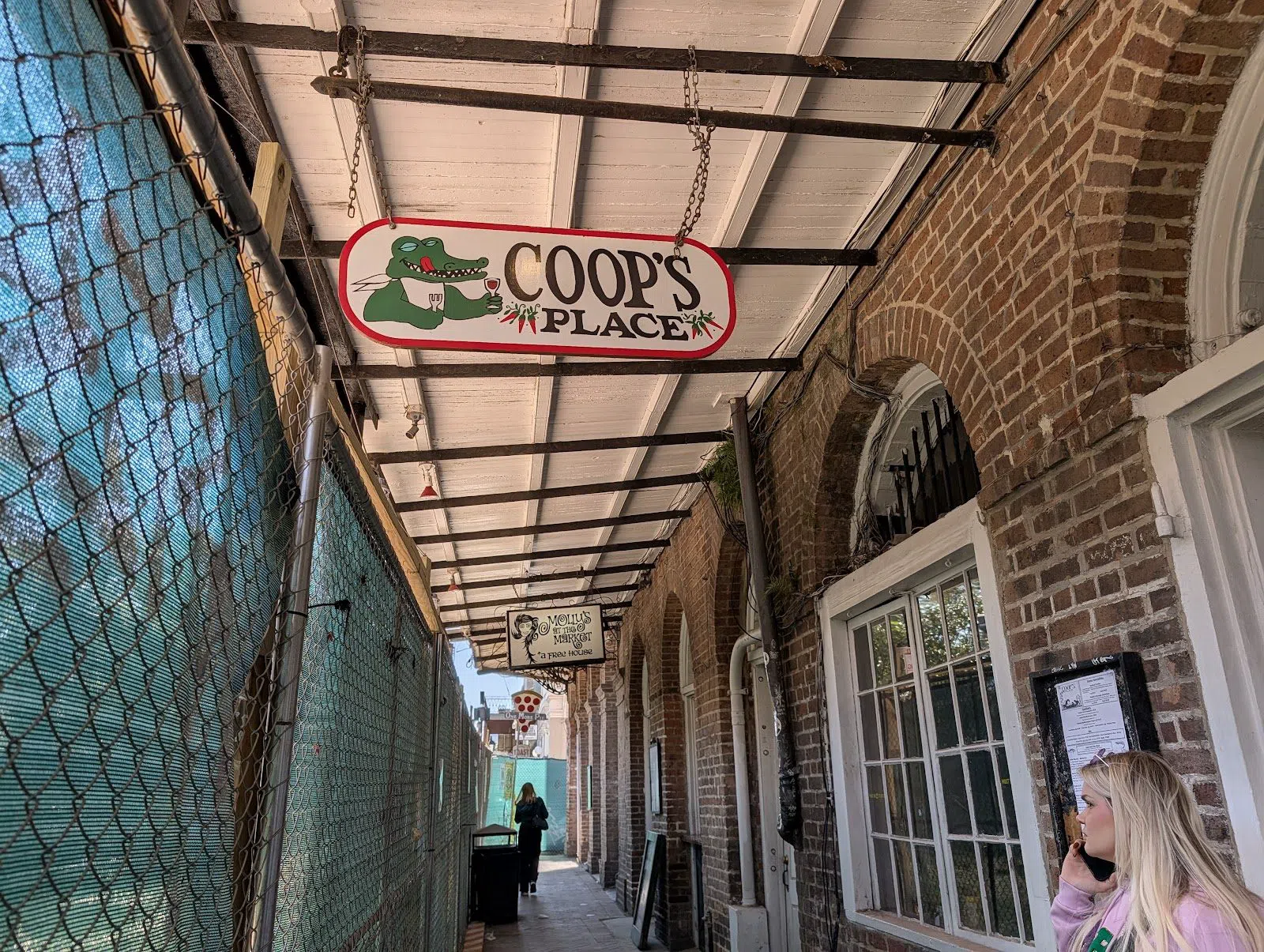
Coop's Place (French Quarter) is the opposite kind of proof: a no-frills dive bar since 1982 that quietly turns out some of the Quarter's best dark-roux gumbo. There are no reservations, the seating is bar-casual, and the crowd skews cash-friendly and unbothered by ambiance — which is exactly the point. Go for the food, not the room, and bring a small group rather than a formal party; it handles casual clusters easily, just don't expect table service niceties. $.
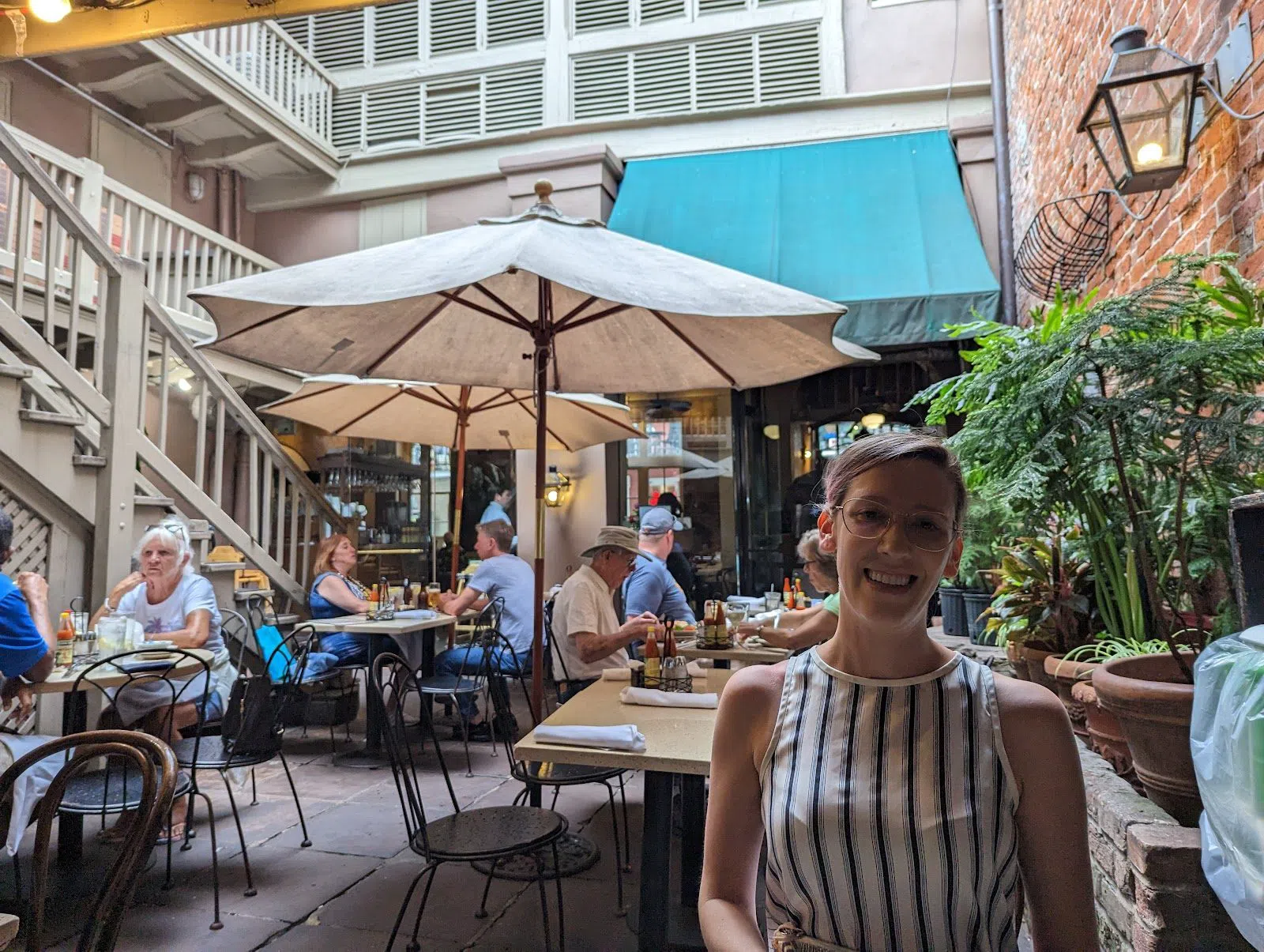
Napoleon House (French Quarter) has been a landmark for two hundred years, and its hearty, dark-roux seafood gumbo sits alongside the bar's famous Pimm's Cup as the two things regulars order without looking at the menu. It's walk-in only — no reservations — but the building's scale means it absorbs groups easily, making it a reliable pick when a party can't plan ahead. $$.
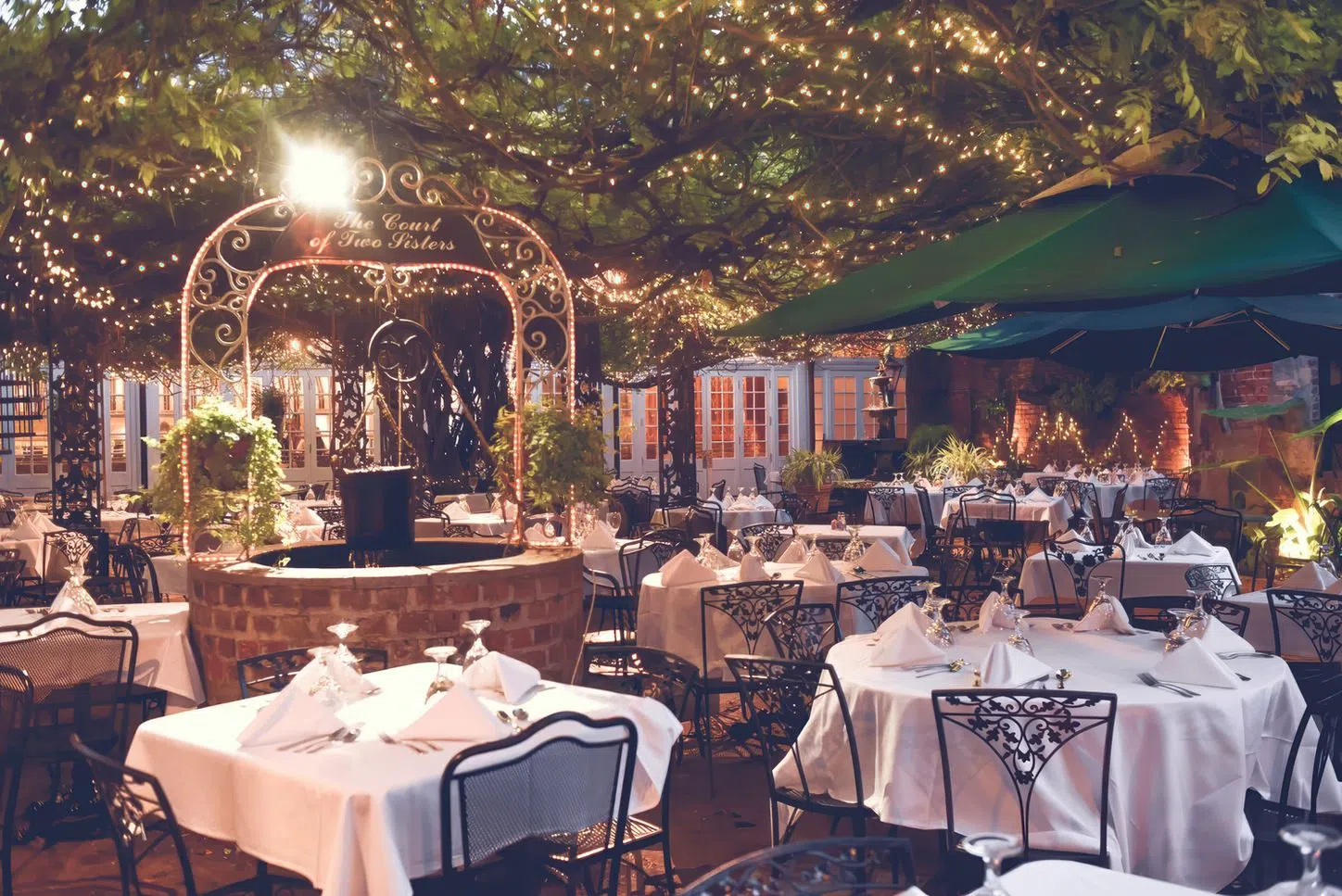
The Court of Two Sisters (French Quarter) is the one venue on this list explicitly built around groups rather than tolerating them: a daily Jazz Brunch buffet with guaranteed seating, live music, and gumbo kept in steady rotation among more than sixty dishes. If a travel party wants ceremony — a courtyard, a band, an all-you-can-eat spread — alongside their bowl, this is the pick, and the buffet format removes the usual group-booking anxiety entirely. $$$.
Faubourg Marigny and Bywater: The Late-Night and Brunch Trail
Just downriver from the Quarter, the Marigny and Bywater corridor trades tourist density for music venues, dive bars, and a slower, more residential pace — and the gumbo here reflects that.
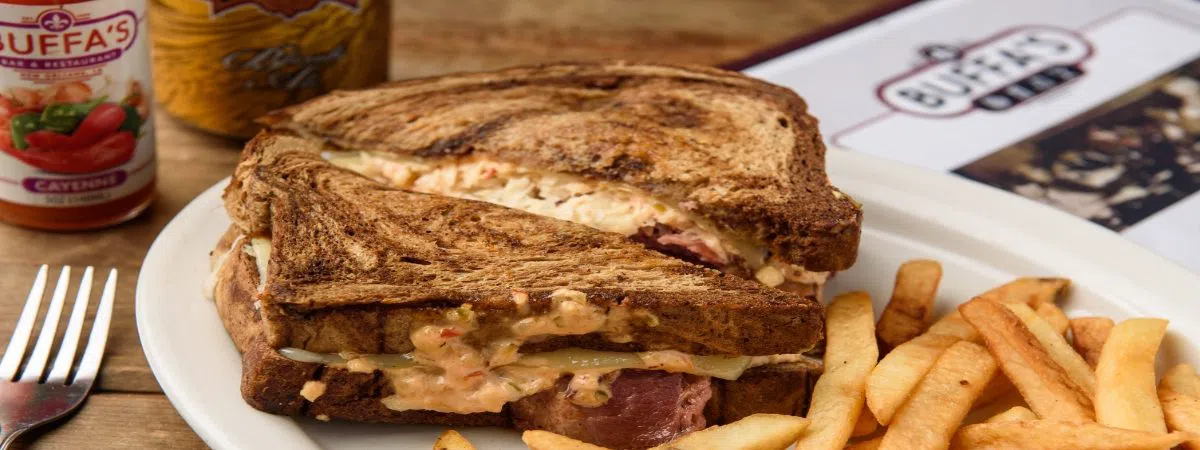
Buffa's Bar & Restaurant (Marigny) has been a neighbourhood fixture since 1939, running a 24-hour front bar alongside a back-room live-music venue. The shrimp gumbo shares the menu with boudin balls, and the whole operation is dressed-down and welcoming — no dress code, no reservations needed, and genuinely comfortable for late-night groups as well as solo diners nursing a drink before a show. It's the corridor's most low-key, groups-welcome stop, and one of the only places on this list where you could reasonably order a bowl of gumbo at 2am. $.
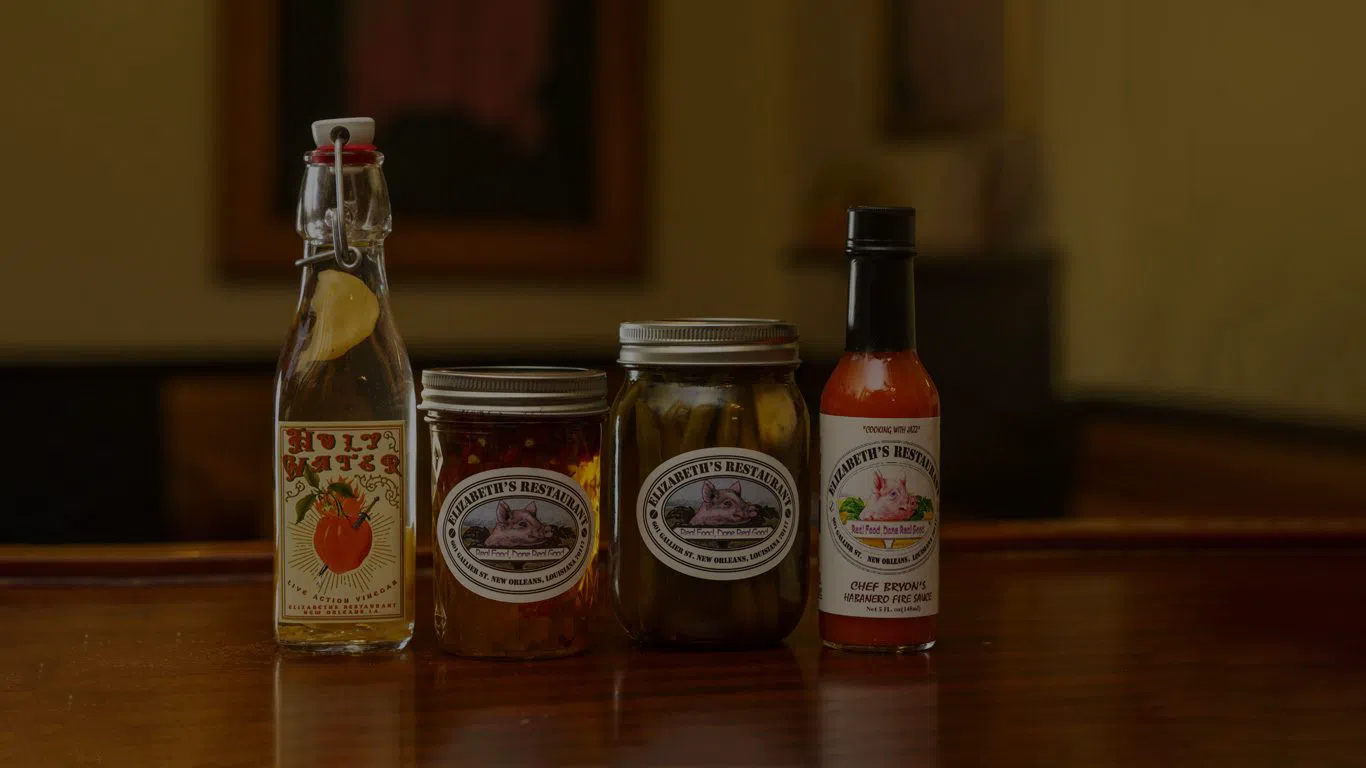
Elizabeth's Restaurant (Bywater) sits just past the Marigny, best known citywide for its praline bacon, but the lunch menu's gumbo and fried green tomatoes make it a worthwhile stop on a Creole-trinity trail rather than a detour from one. It's sit-down and reservation-friendly, which matters here because the footprint is smaller than the buffet rooms in the Quarter — call ahead if you're bringing a larger group, since walk-in seating for six or eight isn't guaranteed. $$.
Downtown and the CBD: The Commuter's Gumbo
The Central Business District doesn't market itself on Creole food the way the Quarter does, but two kitchens here are essential — one because it's an institution, one because it's keeping a Treme legend alive after a fire.
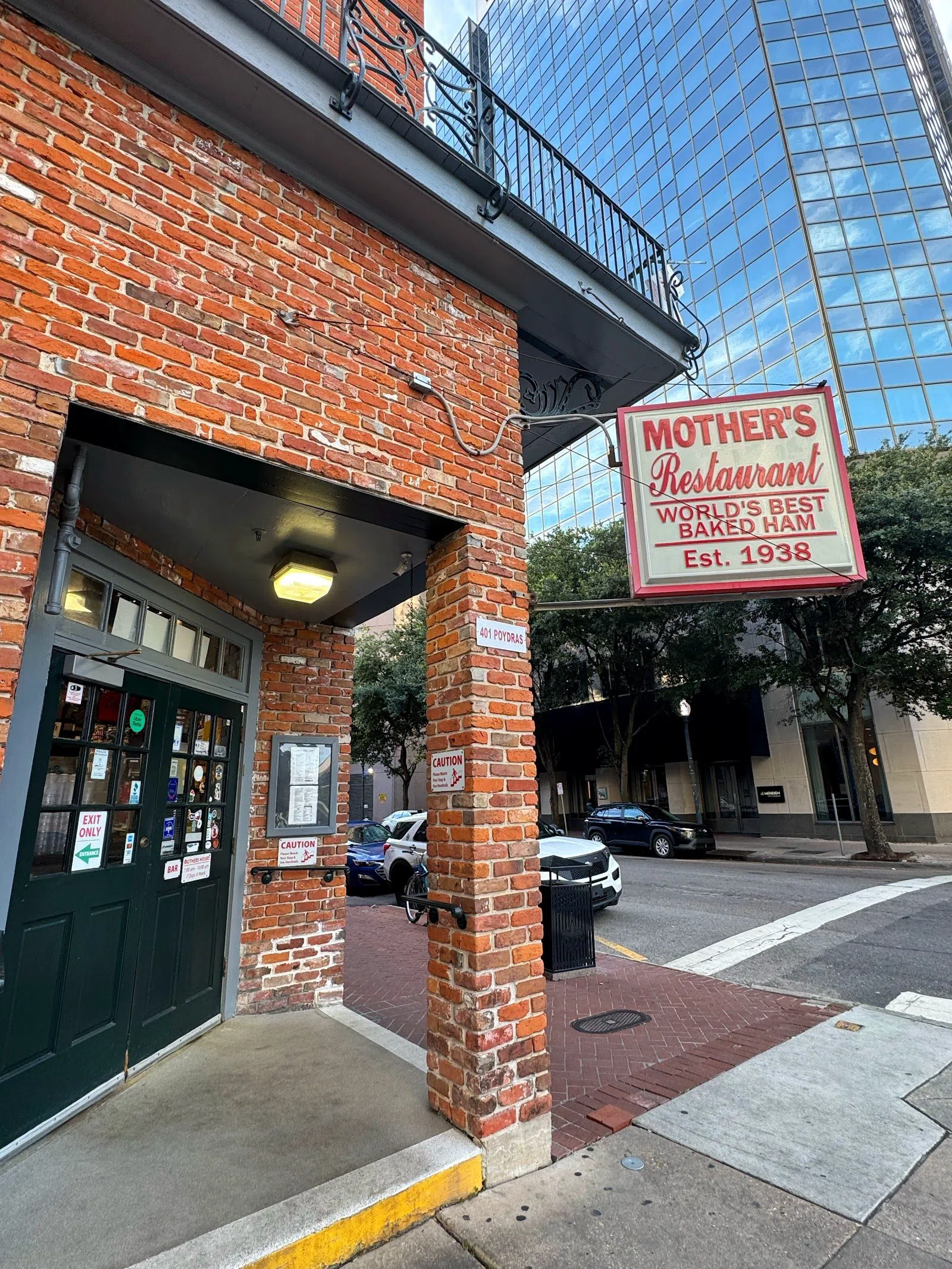
Mother's Restaurant (CBD) has been a CBD institution since 1938, and while its ham po'boys are what tourists queue for, the gumbo and jambalaya are the orders locals actually make. It's counter-order, no reservations — you queue, you order, and a group simply splits up across whatever tables are free once everyone's got a tray. Expect a line, especially around lunch. $$.
Willie Mae's NOLA (Downtown) carries weight beyond its menu: the original Willie Mae's Scotch House, a Treme institution, has sat fire-damaged and shuttered since April 2023 with no reopening date announced. This relocated downtown sibling, run by the same family, keeps that andouille-and-okra gumbo alive rather than letting it disappear along with the building. It's proper sit-down service and will take larger parties with notice, so call ahead if you're coming as a group — but go regardless of party size, because this is a direct line to a recipe that very nearly vanished. $$.
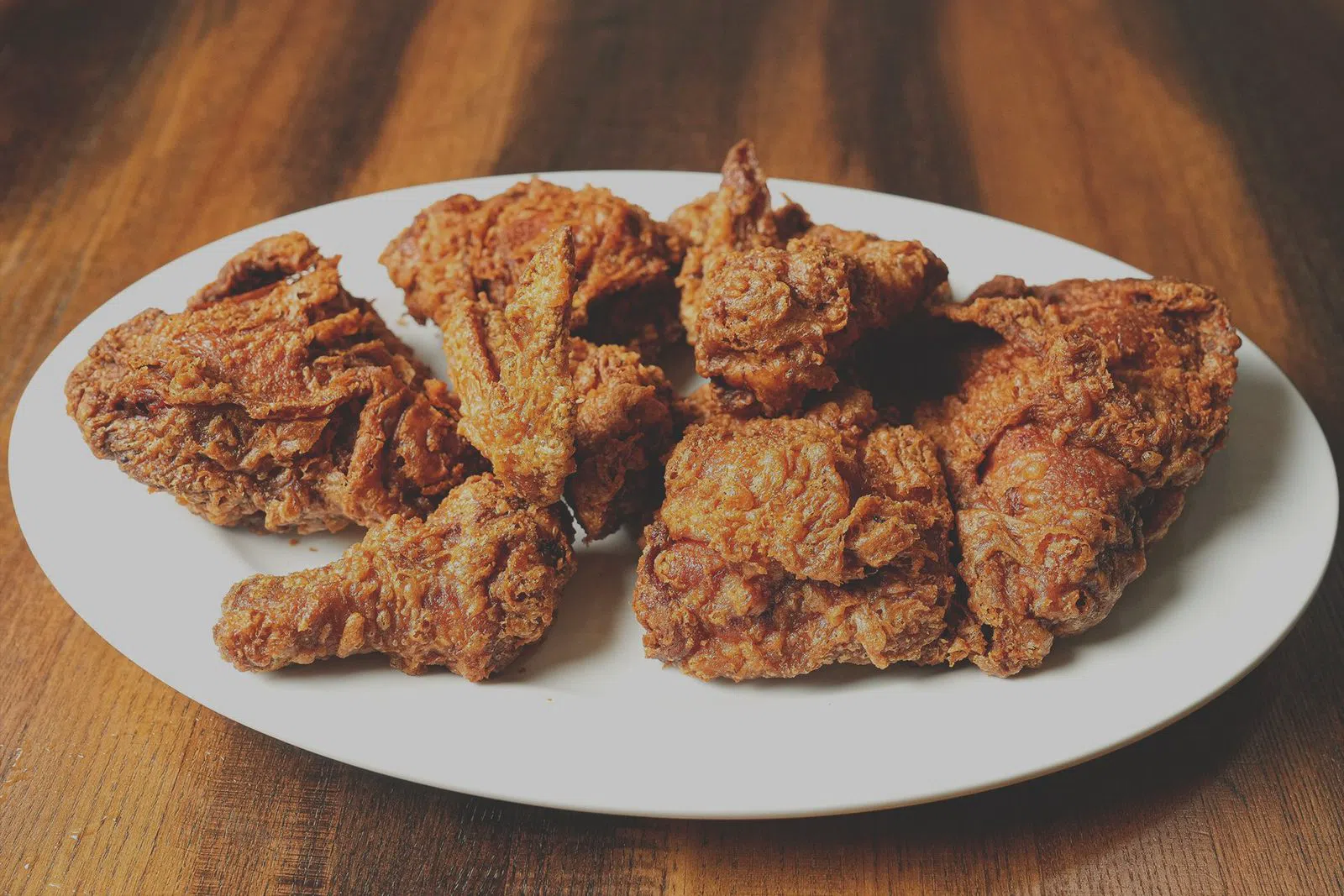
Mid-City: The Locals' Detour
Mid-City sits inland from the river and the tourist core, reached by streetcar or a short drive, and the two kitchens here reward the trip specifically because they aren't performing for visitors.
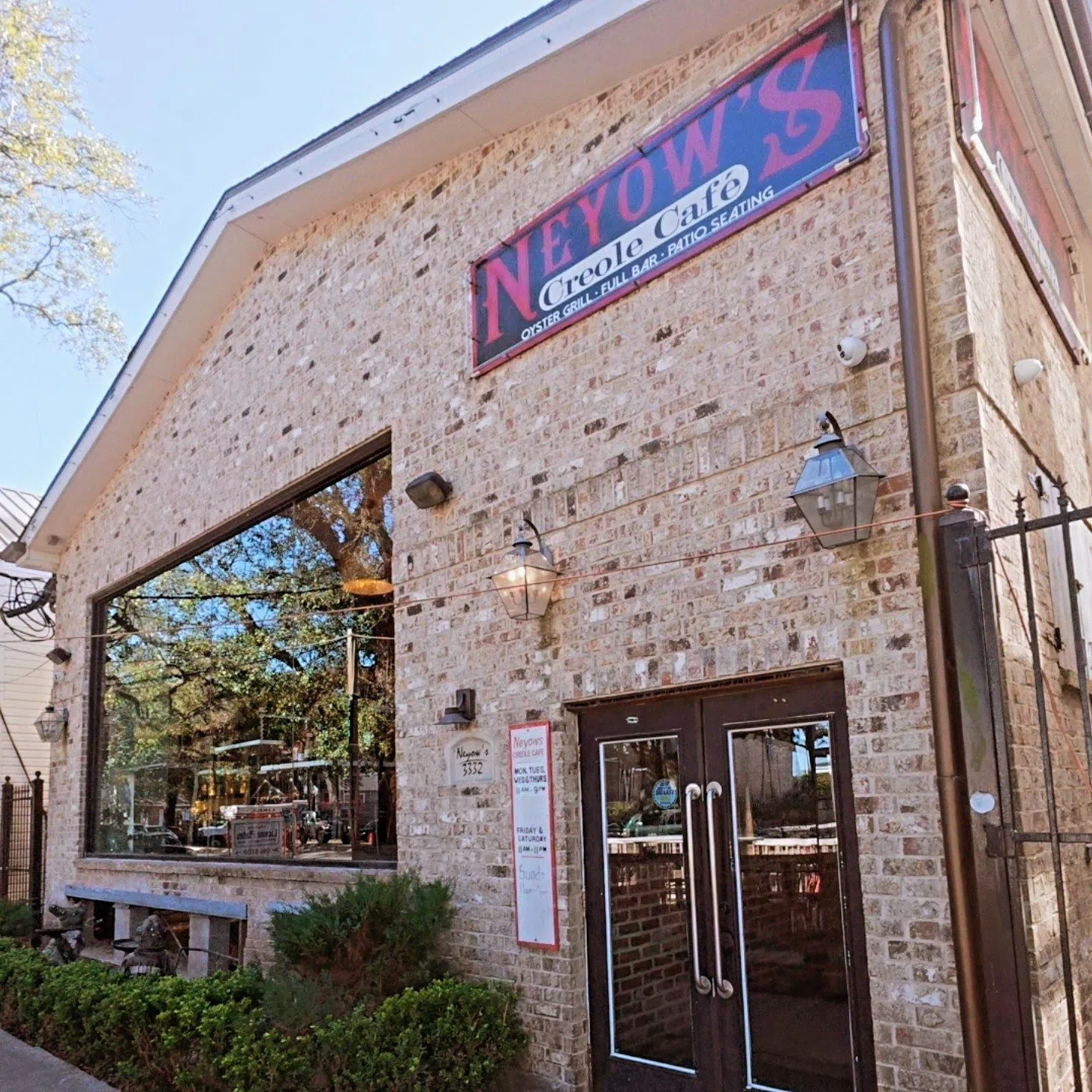
Neyow's Creole Cafe (Mid-City) is an unassuming strip-mall spot that locals consistently rate among the city's best dark-roux gumbo — no atmosphere to speak of, no reservations, and a genuine wait on weekends once the neighbourhood turns out for it. It's sit-down and casual, and it handles groups, but arrive with patience rather than a strict schedule if you're coming on a Friday or Saturday night. $$.
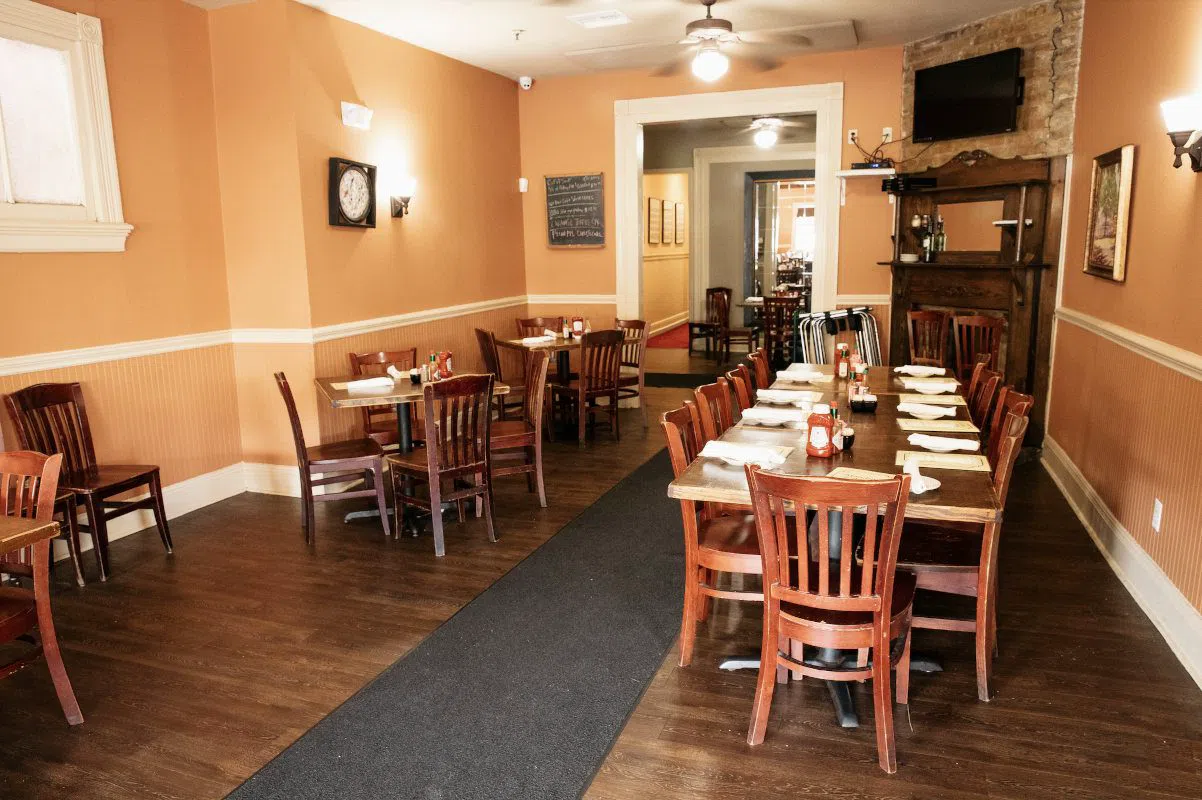
Mandina's Restaurant (Mid-City) has been blending Creole and Sicilian cooking under the same pink facade since 1932, and its gumbo is one of the more legible entry points into that hybrid tradition — the roux base is straightforwardly Creole, but the kitchen's instincts throughout the rest of the menu are Sicilian. There are no reservations, so for weekend groups the rule is simple: arrive early, especially at dinner, because the wait grows fast once the room fills. $$.
Planning the Trip: Transport, Cash, Timing, Budget
Most of this route splits across four areas — Treme, the French Quarter, the Marigny/Bywater corridor, and Mid-City — and none of them require a car to reach individually, though moving between all four in one day is easier with one. The Rampart-St. Claude streetcar line connects the Quarter to the Marigny edge, and the Canal streetcar runs out toward Mid-City, but Treme's best counters and Mid-City's strip-mall gems are still a rideshare or a determined walk from the nearest stop. Budget accordingly: a single day covering Treme, the Quarter, and one Mid-City stop is ambitious without a car or rideshare budget set aside for it.
Cash matters more here than in most American food cities — several of the counter-service and dive-bar kitchens on this list run cash-friendly and won't thank you for a card on a small ticket, so carry some. Timing is the other constraint that actually shapes an itinerary: Li'l Dizzy's closes at 3pm, Two Sisters in Treme only serves gumbo Friday and Saturday, and Dooky Chase's gumbo z'herbes is tied to the Holy Thursday calendar rather than being available on demand — build the trip around those windows rather than discovering them on arrival. Across the list, expect to spend roughly $10-15 a bowl at the counter-service end ($) and $20-35 a plate at the sit-down Creole rooms ($$-$$$), with the Court of Two Sisters' buffet format running higher as a fixed per-person price rather than an a la carte one.
For a base to work from, look at neighbourhoods close to the Quarter or the Marigny rather than out toward Mid-City — a New Orleans hotel search turns up options in both, and staying central keeps the Treme and French Quarter halves of this trail within walking distance of each other. For the wider context on where to eat, sleep, and spend an evening beyond gumbo, the full New Orleans guide covers the rest of the city's Creole and Cajun ground.
Before you go
What's the difference between gumbo z'herbes and regular gumbo?
Gumbo z'herbes is a dense, green gumbo made with a dozen or more leafy greens and herbs, traditionally served on Holy Thursday as a Lenten dish. Dooky Chase's version in Treme is the most famous example, but it's a once-a-year event, not a daily menu item. Regular Creole gumbo, served year-round at nearly every kitchen on this list, is built on a roux, okra, or file base with seafood, chicken, or andouille.
Which gumbo restaurant is best for a group booking in New Orleans?
The Court of Two Sisters in the French Quarter is built specifically for groups. Its daily Jazz Brunch buffet guarantees seating and keeps gumbo in rotation among 60-plus dishes, removing the usual reservation gamble entirely. Gumbo Shop and Napoleon House also handle larger parties comfortably given their size and layout.
Do I need reservations for gumbo restaurants in New Orleans?
It depends on the venue. Dooky Chase's and Elizabeth's take and recommend reservations, especially for groups. Most of the rest, including Coop's Place, Napoleon House, Mother's, Neyow's, Mandina's, and the Treme counters, are walk-in only, so arriving early on weekends matters more than calling ahead.
What's the difference between okra gumbo and file gumbo?
Both are thickeners used in place of or alongside a roux. Okra is used fresh, mainly when it's in season through summer and early fall, and gives the pot a slightly vegetal, silky body. File powder, ground dried sassafras leaves and a Choctaw contribution to Creole cooking, is stirred in off the heat, often once okra season ends, and gives a thinner, slightly earthy thickening instead.
Where can I get gumbo late at night in New Orleans?
Buffa's Bar & Restaurant in the Marigny is the standout option. Its front bar runs 24 hours, so shrimp gumbo is available well past the hours most Creole kitchens have closed for the night.