
Louisiana pulls more oysters out of the Gulf than any other state in the country, and in New Orleans you can watch that supply chain compress into a single afternoon. A boat unloads at a dock outside the city before sunrise. A truck runs the catch into town before lunch service starts. By dinner, a shucker six blocks from your hotel has that same oyster open on a bed of ice. No other American city treats the oyster as both an industry and a house style the way this one does — it sits on the state seal, on nearly every raw bar counter downtown, and, if you know where to look, on a seaplane's flight plan too.
How the trade works, from Gulf boat to French Quarter counter
The oysters on a New Orleans table almost all come from the same brackish reefs along the Louisiana and Mississippi coast, where fresh water off the rivers meets Gulf salt water in exactly the ratio an oyster needs to grow fast and taste briny rather than flat. That geography is why the city built its identity around the bivalve rather than, say, the shrimp boat two docks over: the reefs are close, the harvest is huge, and for more than a century the fastest way to get an oyster from boat to plate has been to drive it straight into the French Quarter. The old rule about only eating oysters in months with an "R" is a refrigeration-era myth at this point — modern cold chains mean the raw bars below run all year — but the geography that made this a two-industry town, working waterfront and dining room, hasn't changed. What follows is organized the way you'd actually plan around it: the splurge experience that shows you the whole chain, the French Quarter cluster you'll walk to without trying, the dressed-up rooms worth a reservation, the restaurant that invented an entire cooking style, and the neighborhood counters where people who live here actually eat.
The splurge: seaplane to farm to dinner table
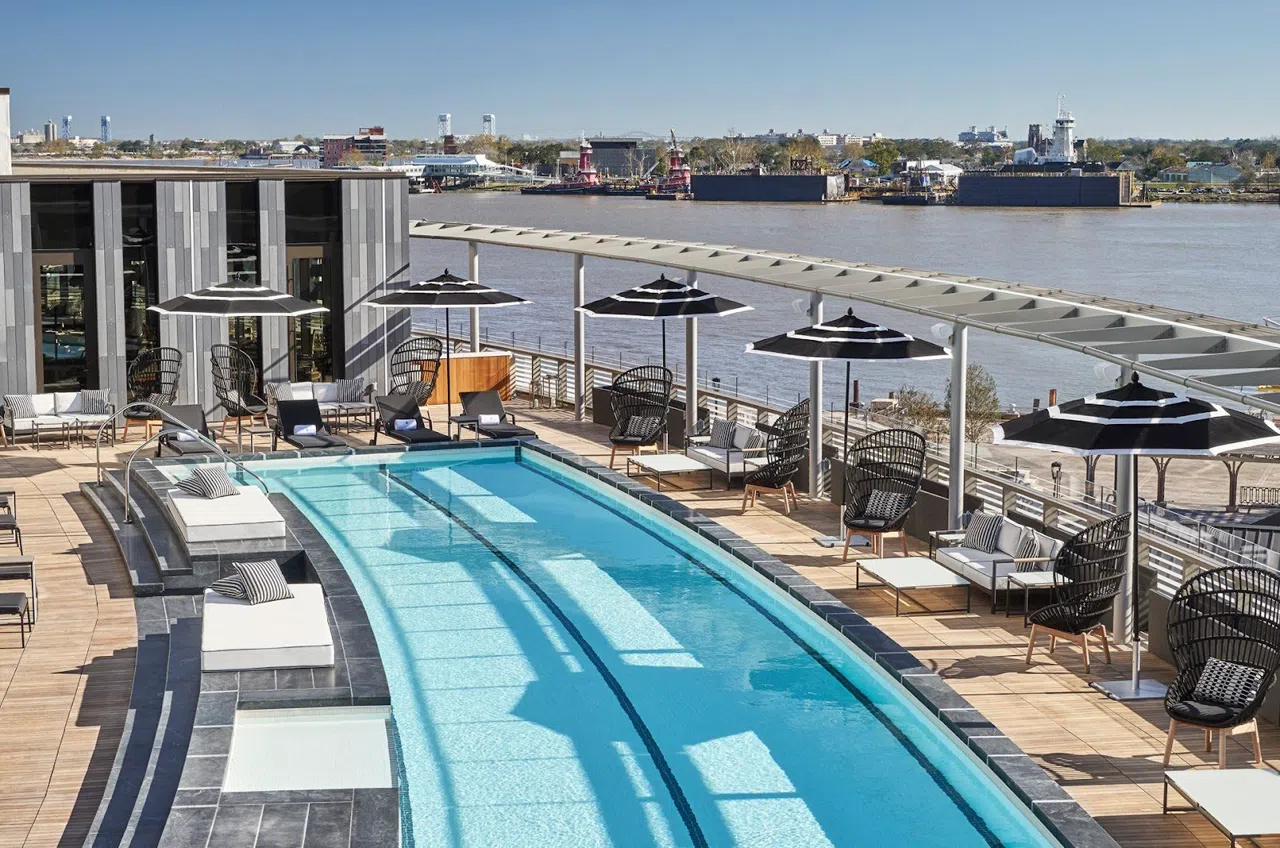
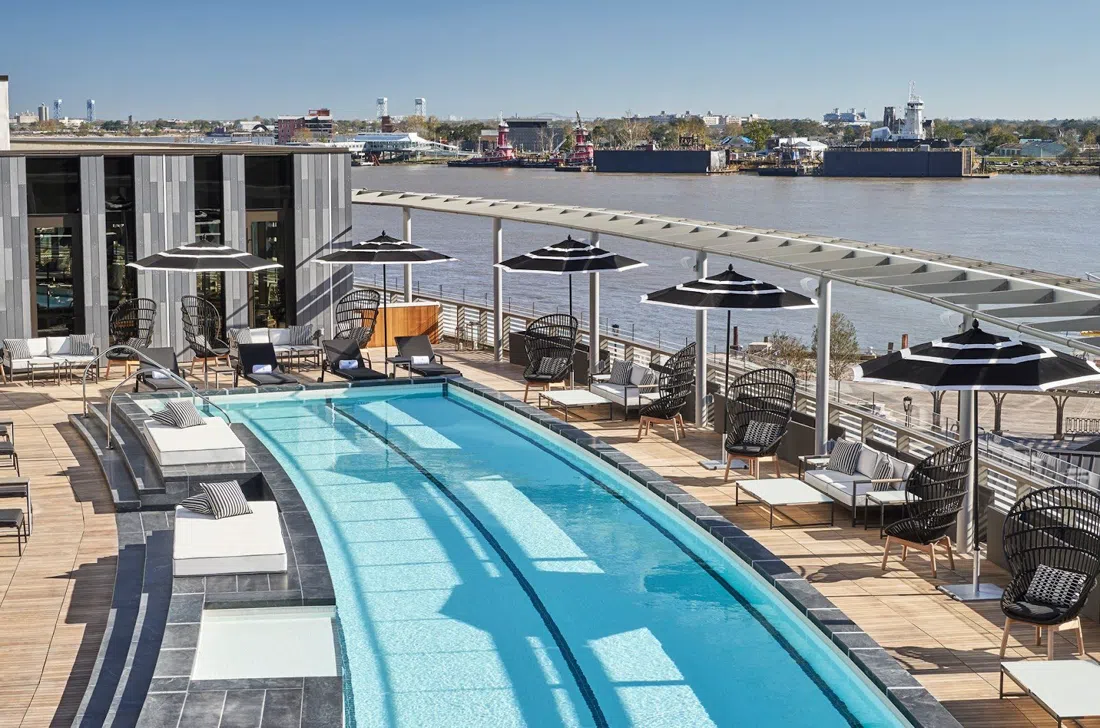
Four Seasons New Orleans (CBD/Warehouse District, on the river) runs the closest thing this city has to the complete boat-to-bar arc packaged into one outing: Oysters Take Flight. A seaplane collects up to four guests and flies them out to a working oyster farm, where you handle the actual gear — cages, culling, tasting straight off the line, salt water still on your hands — before flying back into the city for a private dinner table with chef Donald Link. This is not a walk-in activity and it isn't built for a large group: book two weeks out, Monday or Tuesday only, and budget $6,000–7,500 for the party of four. Think of it as the anchor experience for a reader who wants to see the entire chain, farm to fork, in daylight — every other stop on this list is the "eat the result" half of that same story, at a fraction of the price and with no notice period at all.
French Quarter classics: the raw bar rivalry
Most visitors' first oyster in New Orleans happens within four blocks of Bourbon Street, and two addresses facing each other have been splitting that first-timer for decades.
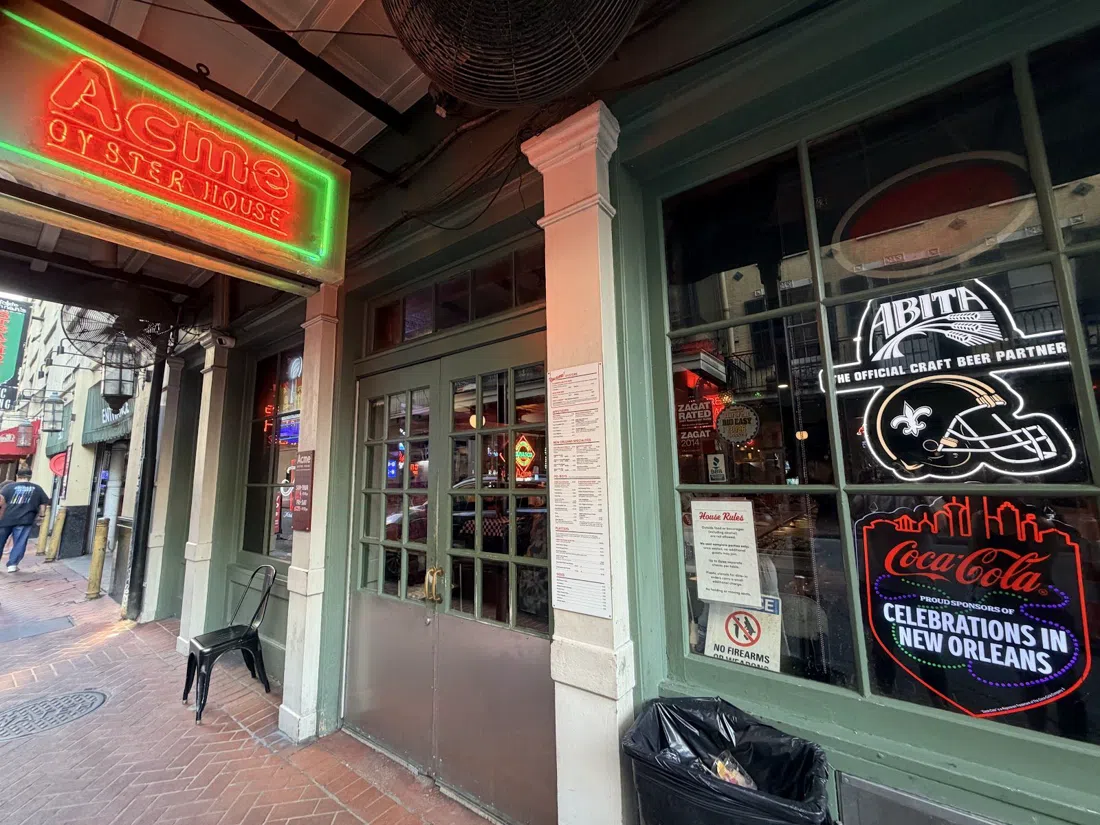
Acme Oyster House (French Quarter) is the name every guidebook leads with, and the shucking earns the reputation — fast, clean, and the line moves quicker than it looks from the sidewalk. It takes groups but no reservations at any of its locations, so plan on a wait during peak lunch and dinner hours; budget $$.
Felix's Restaurant & Oyster Bar sits directly across the street and quietly does the same job with a shorter line. Same Gulf oysters, same French Quarter block, no reservations required, casual seating that absorbs a group without fuss. Ask a local which one they actually go back to and it's often this one — not because Acme is worse, but because Felix's gets you seated twenty minutes sooner on a Friday night, and twenty minutes matters when you're hungry and it's 95 degrees outside.
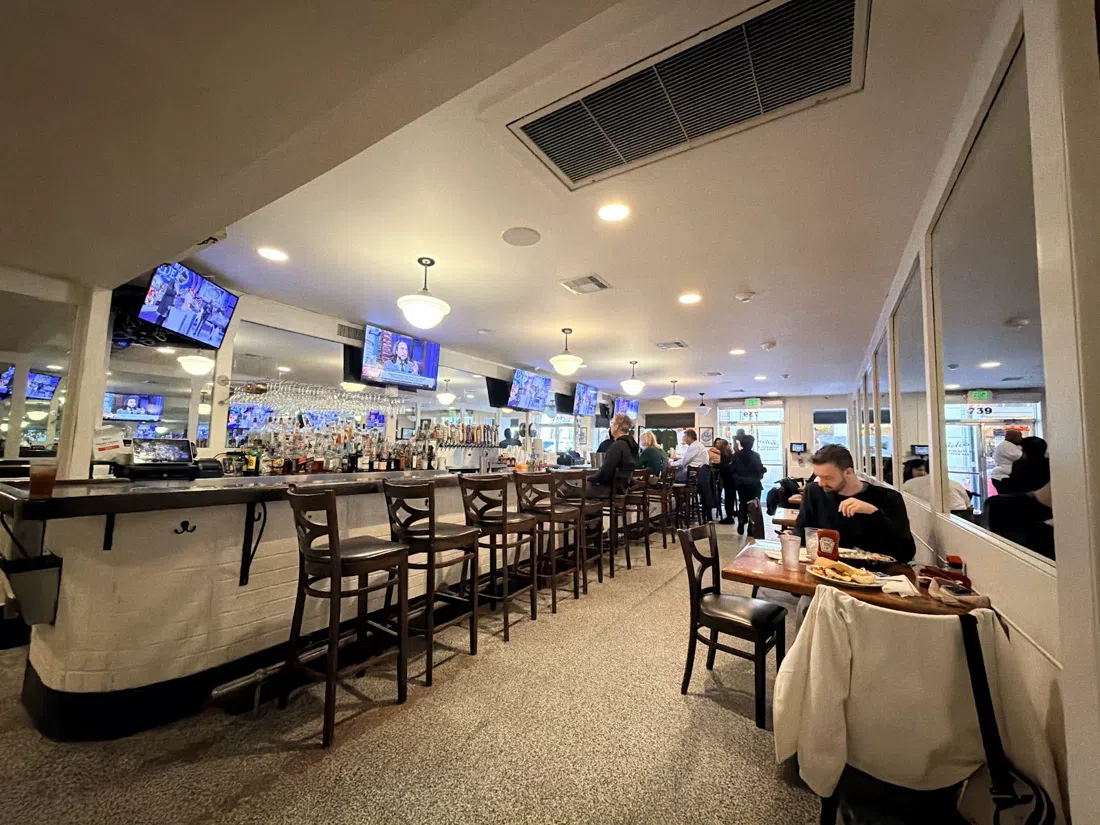
For a taste of the same trade with a chef's hand on it, GW Fins is the French Quarter stop that treats the raw bar as a tasting menu rather than a bucket of a dozen. This is the place to actually taste the difference between oyster varietals in one sitting — order a mixed dozen and you'll get several distinct beds rather than one anonymous "Gulf oyster." It's dinner-only, reservations matter for a group, and it landed on Yelp's US top 10 list for 2026. Budget $$$$, and treat it as a couple's dinner or a small group's celebration rather than a casual stop.
Dressed up: white-tablecloth rooms worth a reservation
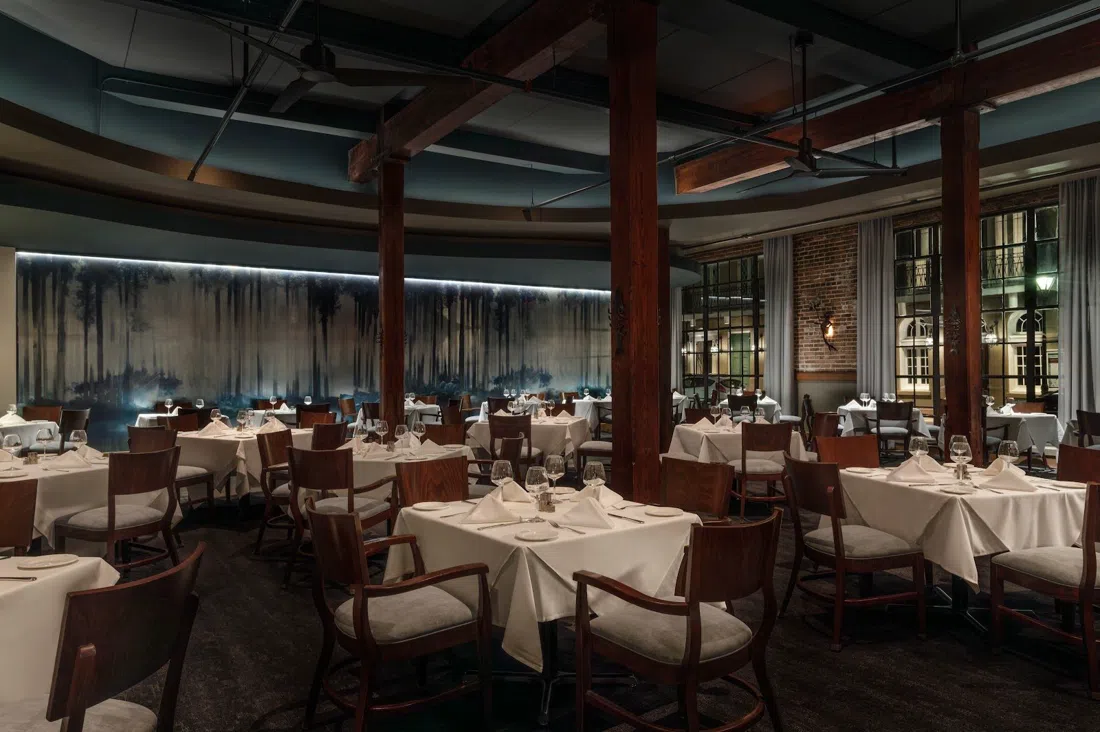
Two blocks from the Acme line, Bourbon House (corner of Bourbon and Canal) is Dickie Brennan's white-tablecloth take on the raw bar — the room for a reader who wants the oysters without the tourist-line theatre. It handles groups and private events comfortably, and weekend reservations are worth making rather than assumed. The nicer detail: the shells here don't just go in a bin, they go back into a Gulf coast restoration program, which is a genuinely good thing to know if you care where your dinner's waste stream actually ends up. Budget $$$.
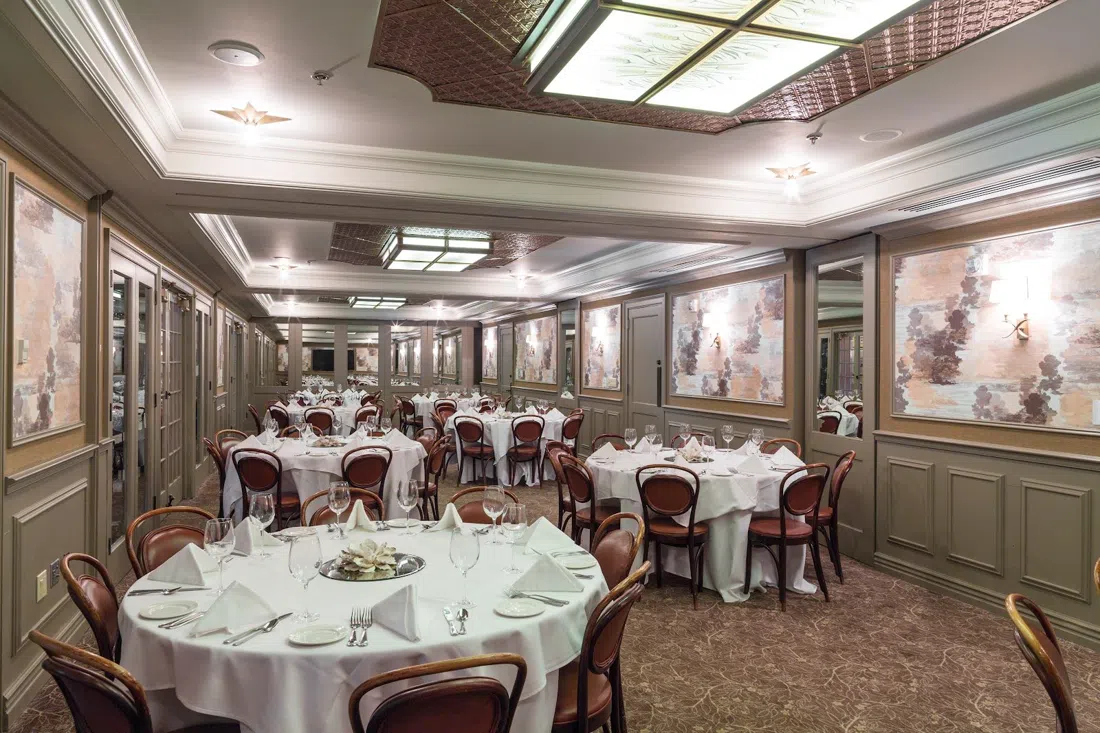
Across the river side of downtown, Pêche Seafood Grill (Warehouse District) is the one restaurant on this list that puts its supply chain directly on the menu — it names Bright Side and Grand Isle, the actual farms the oysters come from, rather than calling them all simply "Gulf." That's the same instinct that makes the Four Seasons seaplane trip work, scaled down to the price of a normal dinner: you're eating a specific place, not a category. Pêche carries a James Beard Best New Restaurant pedigree, welcomes groups with a reservation, and has private dining available for larger parties. Budget $$$.
The charbroiled original
Every hot, buttery, garlic-and-parmesan oyster you've had anywhere else in the country is downstream of one restaurant. Drago's Seafood Restaurant, based in Metairie with a second location at the downtown Hilton Riverside, invented the charbroiled oyster in 1993, and on a busy night it still fires more than 900 dozen of them across the char-grill. This is a large-group restaurant by design — private dining rooms, a volume kitchen, built to move fast rather than linger — so it suits a party that wants a shared table over a quiet couple's dinner. Order the charbroiled dozen the moment you sit down; on a packed Friday the grill queue backs up and it's the dish worth protecting. Budget $$$.
Uptown and the neighborhood counter
Not every good oyster bar sits in the Quarter, and the two below are where people who actually live in this city eat theirs.
Pascal's Manale (Uptown) has held the same address for more than 110 years, and its walk-up oyster bar — separate from the dining room, with its own all-day happy hour — is the kind of institution a French Quarter-only itinerary tends to miss entirely. Groups are welcome at either the counter or the tables, and the pace here is unhurried in a way downtown rarely allows; this is a good stop to slow down mid-trip rather than squeeze between two other reservations. Budget $$$.
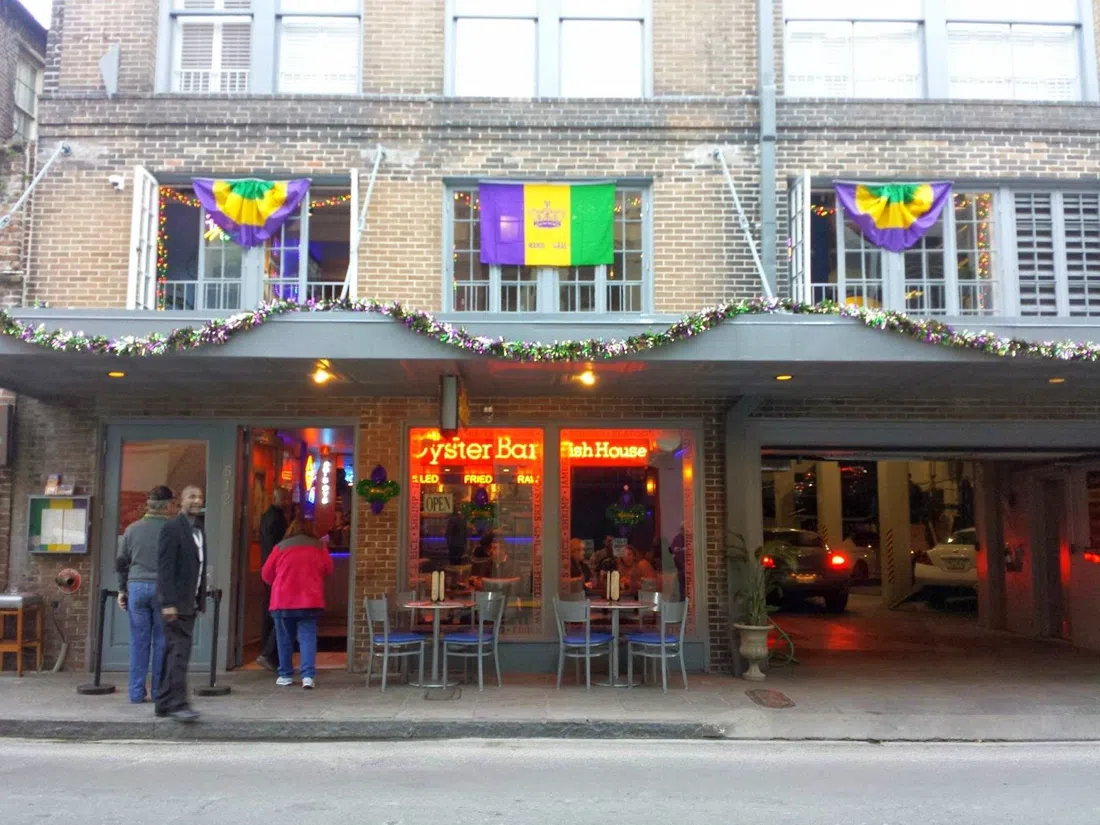
Mr. Ed's Oyster Bar & Fish House is the local's-choice counterweight to everything else on this list: casual, genuinely group-friendly, effectively no line, and four different oyster preparations on one menu so the table doesn't have to agree on a single style. It has locations in Metairie, the French Quarter, and on St. Charles Avenue, which makes it easy to fold into a streetcar afternoon rather than a dedicated trip out. Budget $$.
Planning the trip: transport, cash, timing, budget
Getting between stops. The French Quarter cluster — Acme, Felix's, Bourbon House, GW Fins — is walkable in an afternoon; none of it needs a car or a rideshare. Drago's and Mr. Ed's have locations in Metairie, a short drive or ride from downtown, while Pascal's Manale is a streetcar ride up St. Charles Avenue from the Quarter. If you're staying centrally, start your New Orleans hotel search around the CBD or the edge of the Quarter — it puts you within walking distance of half this list and a short ride from the rest.
Reservations. Acme and Felix's don't take them at all — you show up and you wait, full stop. Bourbon House, GW Fins, and Pêche do take reservations, and weekends are worth booking ahead, especially for a group of four or more. The Four Seasons seaplane trip needs two weeks' notice and only runs Monday or Tuesday, so if it's on your list, build your whole trip's dates around that constraint first rather than last.
Cash and card. Every restaurant here takes card, but a little cash is worth carrying for tipping a shucker directly at a walk-up counter — Pascal's Manale's oyster bar especially — a small courtesy that's noticed and appreciated.
Timing. Go for a late lunch if you want to dodge the worst of the Acme and Felix's wait; both fill hardest between 7 and 9pm. At Drago's, order the charbroiled dozen immediately rather than after your other courses, since the grill queue is the bottleneck on a busy night, not the kitchen.
Budget. A dozen raw oysters and a beer runs roughly $18–28 at the casual end (Acme, Felix's, Mr. Ed's), climbs to $35–55 a head at the dressed-up rooms (Bourbon House, GW Fins, Pêche), and sits in its own category at the Four Seasons, which prices the whole outing rather than the meal. Few New Orleans experiences scale this honestly, from a cheap half-shell at a neighborhood counter to a five-figure afternoon on a seaplane — read the full New Orleans guide before you decide which end of that range fits your trip.