The New Orleans issue
New Orleans by Streetcar, Ferry and Pedicab
Four streetcar lines, a $2 river crossing and a pedicab for the awkward ten blocks: how to reach every corner of New Orleans without renting a car.

By Robin de VriesThe city by streetcar line, block by block
New Orleans sits inside a bend of the river, which is why the street grid bends with it and why nobody here gives directions in compass points. You will hear riverside and lakeside, uptown and downtown, and by the second morning it makes sense. The city inside that bend was built to be walked and then ridden: mule cars, then electric streetcars, then ferries that crossed to the far bank long before anyone put up a bridge. Most of that still runs, most of it for the price of a coffee, and the traveller who never touches a steering wheel gives up almost nothing but the parking bill.
Four streetcar lines and what each one does
Start with the network, because it decides where you should sleep. The New Orleans RTA Streetcars (four lines linking the French Quarter, Uptown, Mid-City and the riverfront) are the spine of the transit system rather than a heritage ride bolted onto a bus network, and people take them to work. A single ride is $1.25. A Jazzy Pass bought through the Le Pass app is $3 for a day, $8 for three days and $15 for a week, and the same pass covers RTA buses, which is the part most visitors never work out.
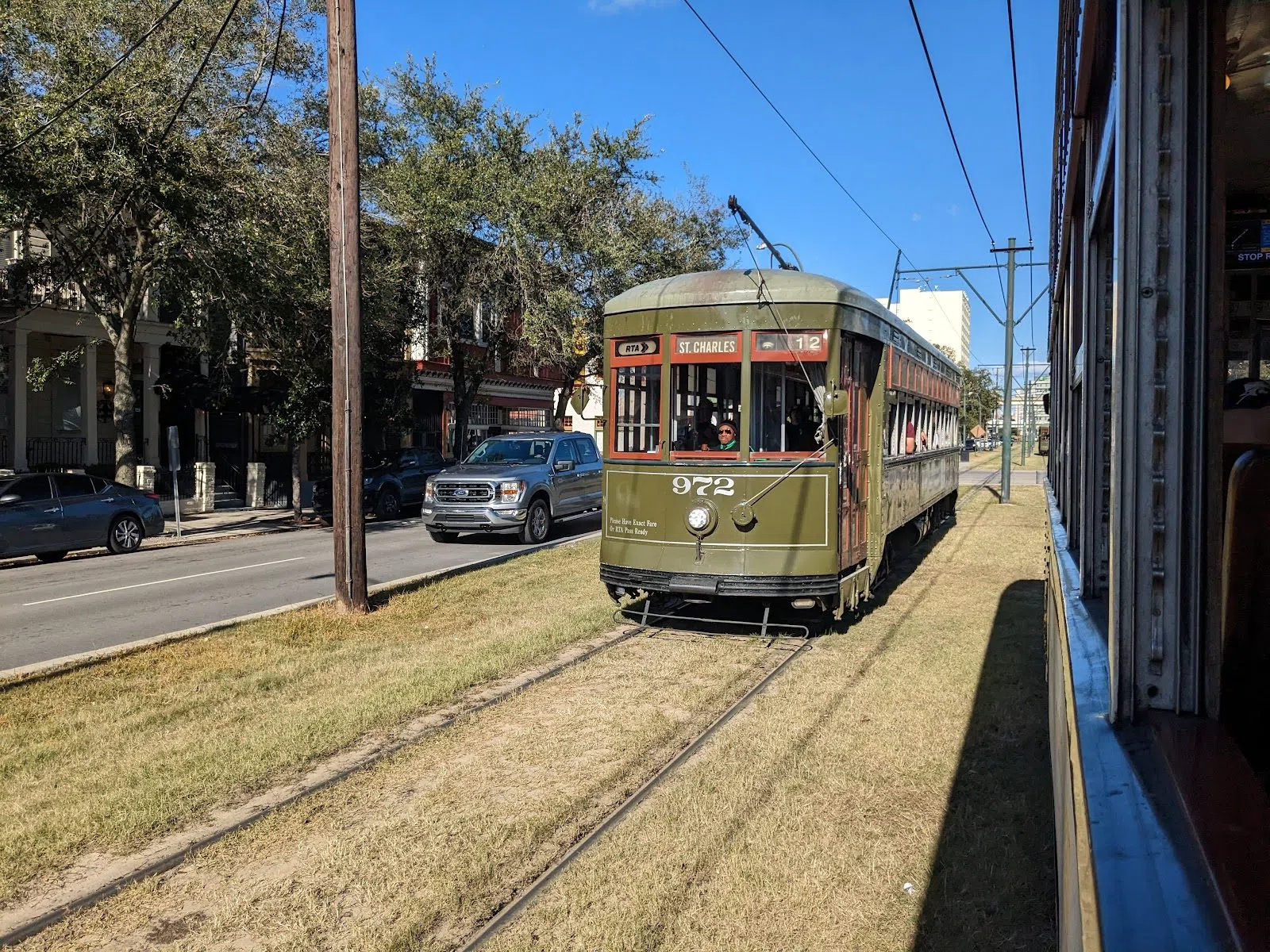
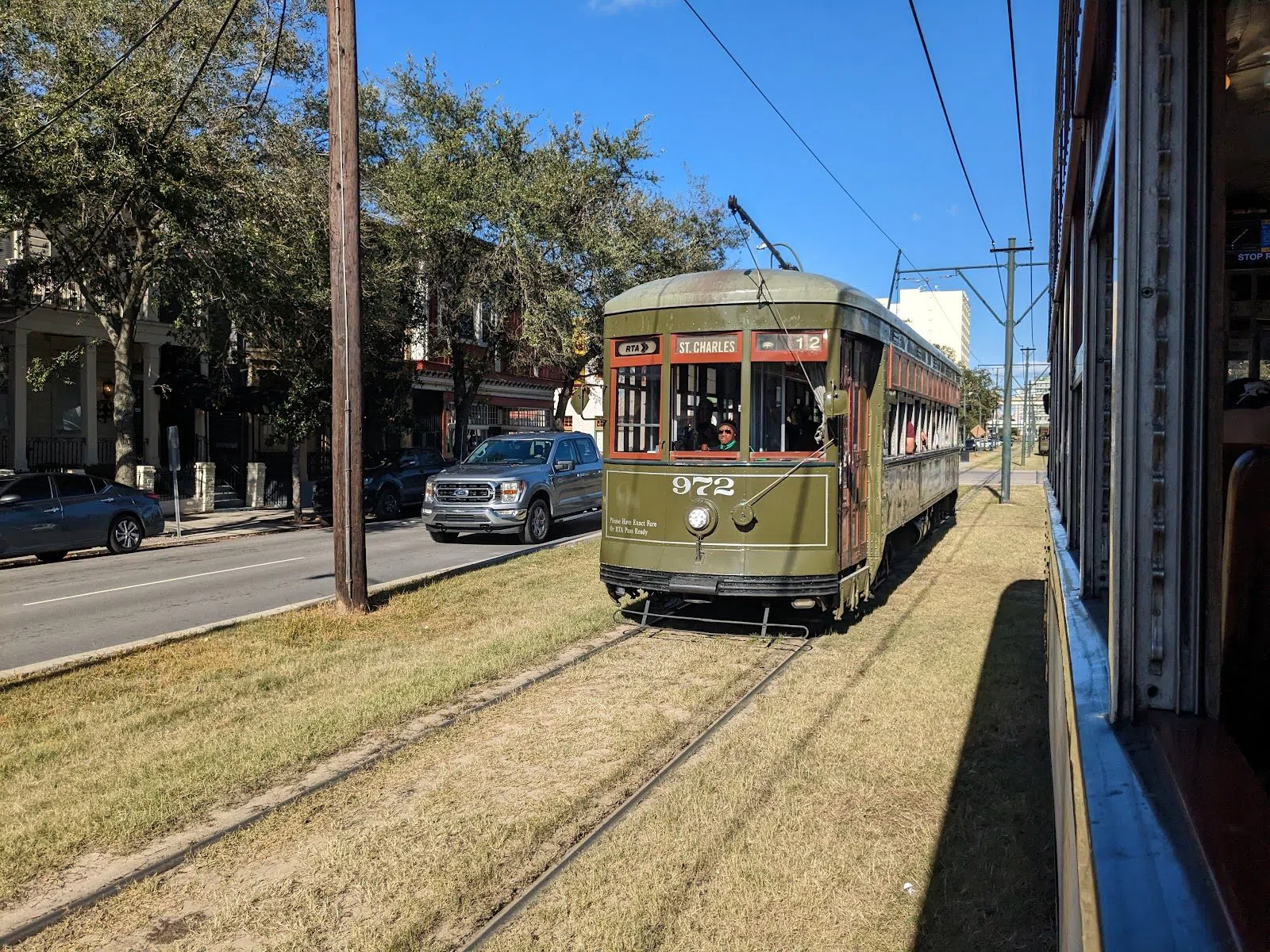
Four lines cover nearly everything you will want. St. Charles (#12) is the famous one, olive-green wooden cars running twenty-four hours a day up the avenue past the Garden District to Audubon Park. It is slow (forty minutes end to end, more on a busy afternoon), and the slowness is the point: you are meant to look out of the window at the live oaks and the porches. Canal Street carries two lines that run together and then split at Carrollton: Canal/Cemeteries (#47) carries on to the old cemeteries, while Canal/City Park (#48) turns off towards the park. The Riverfront line (#49) is a short hop between the French Market and the Convention Center, genuinely useful with luggage or tired children and not much else. Rampart/Loyola/UPT (#46) runs from the train station along the back edge of the Quarter into the Marigny.
There is no booking and no group limit. Eight of you can board and tap and nobody will blink. The honest caveat is capacity, not policy: cars fill at commuter hours and they fill hard on parade nights and festival weekends, and a full St. Charles car will roll past a stop without opening its doors. If you are travelling with a pushchair, a wheelchair or a large party, aim for the middle of the day, or take the parallel bus: less romantic, considerably faster, same fare.
Plan your New Orleans trip
Live prices from our booking partners.
Free cancellation on many rooms. We may earn a commission when you book.
Where to base yourself so the network does the work
Anything between the river and St. Charles Avenue, from the Quarter down through the Warehouse District to the Garden District, puts a streetcar stop within a few minutes' walk, and the Marigny does the same job on the Rampart line. That single decision is worth more than any pass. Open a New Orleans hotel search with a map beside it and put the stops on the map before you book; ten minutes of that saves you a taxi every evening for a week.
The two-dollar crossing to Algiers Point
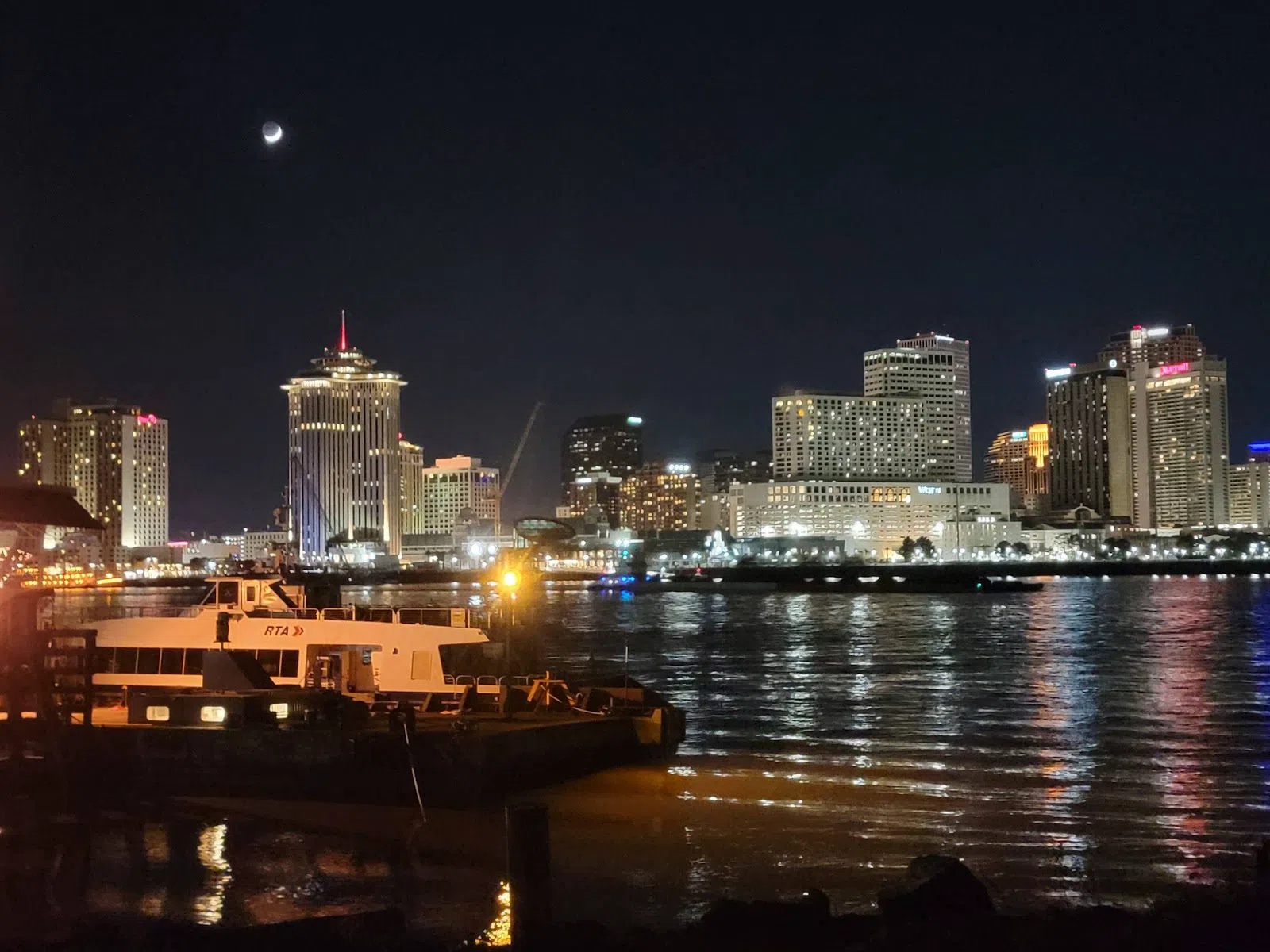
The Algiers Point–Canal Street Ferry (from the foot of Canal Street across to Algiers Point) is the cheapest river cruise in the city and a working commuter link at the same time. It is $2 for adults, reduced for youth and seniors, and free if you are already carrying a Jazzy Pass. Bicycles ride free alongside you. The crossing takes five to ten minutes and the boat runs 6:15am to 8:45pm Sunday to Thursday and until 10:45pm on Friday and Saturday.
It takes pedestrians only, so there is nothing to reserve and no group size that causes a problem. The terminal building is mid-renovation into 2026 and boarding runs through temporary arrangements, so give yourself an extra ten minutes rather than sprinting for a gangway that has moved. On the far bank, Algiers Point is a grid of 19th-century clapboard houses, a levee path and a view back at the skyline that you cannot get from the same side of the water. Watch the last boat. Missing it means a long ride around by bridge in a cab, which will cost you many times the fare you saved.
Bikes, pedicabs and the flat sliver by the river
New Orleans is flat. There is no hill anywhere in it, and the strip of higher ground along the natural levee, the 'sliver by the river', is the easiest riding in the city. The hazards are potholes and streetcar tracks; cross the tracks at an angle rather than along them and you will be fine.
French Quarter Go! (317 Burgundy, French Quarter) has been renting from the same address since 2010 and now trades under a new name. Cruiser day rates sit at the low end; e-bikes, luxury e-carts and mobility scooters are priced higher. The 24-hour self-return matters for groups, because your party can drop bikes back at different times instead of negotiating one return trip. It is also one of the few operators in the Quarter actually solving access for travellers who cannot walk the distances; the mobility scooters and e-carts are worth knowing about even if you never touch the bikes. It opens Tuesday to Saturday, so plan around the Sunday and Monday closure.

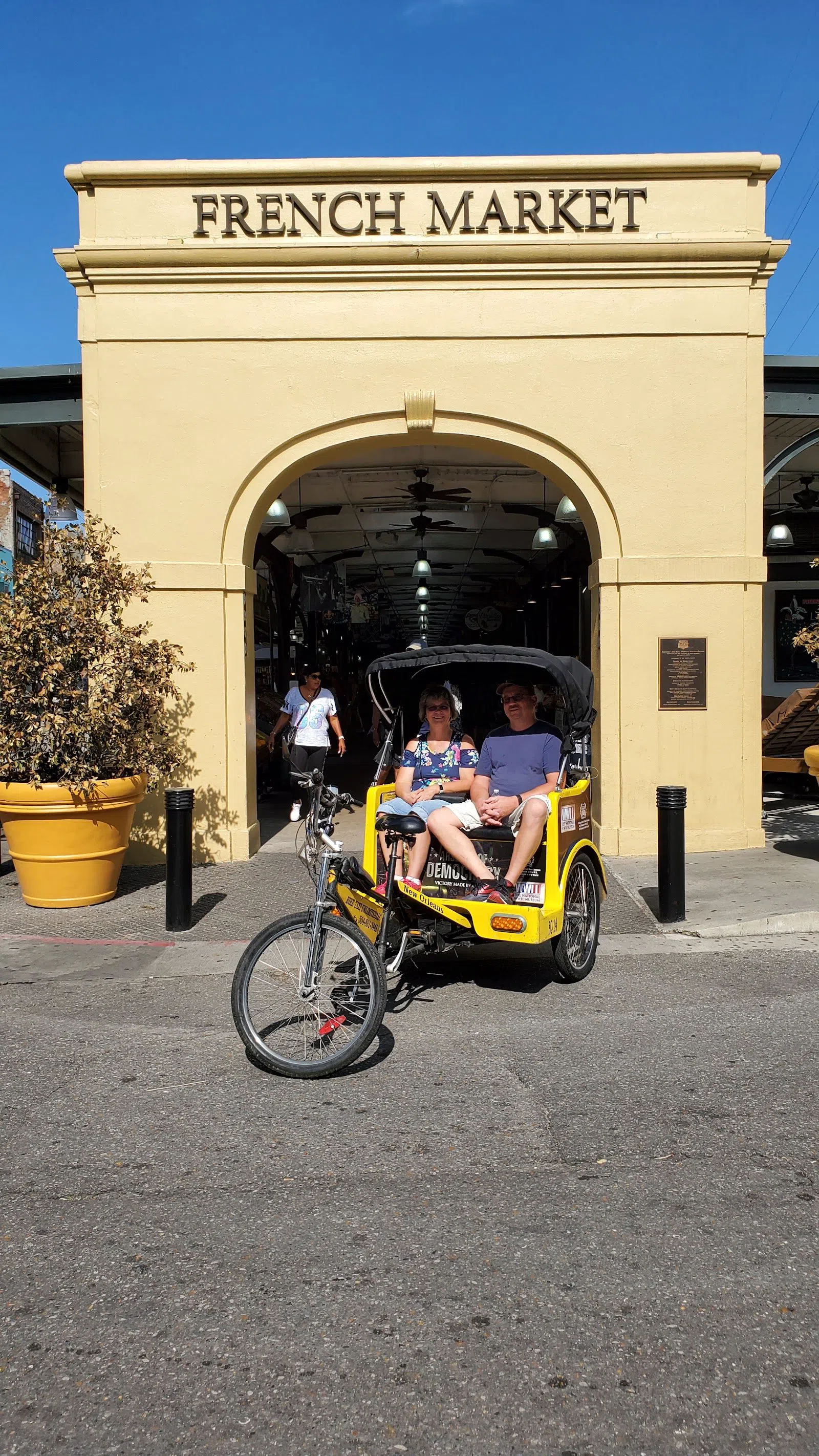
Bike Taxi Unlimited (French Quarter, CBD, Warehouse District and Marigny) is the practical answer to the short late-night hop the streetcar does not cover. Pedicabs run from 9:30am and around the clock on busy nights, with Uptown and Bywater available on advance notice. The rate is set by the city: $5 for the first six blocks, then $1 per block per person. Read that carefully before you plan a long ride: beyond six blocks the meter runs per person, so a party of four crossing half the Quarter is not a bargain. For eight blocks after a show, it is exactly the right tool. Each cab takes three passengers, and multiple cabs can be booked in convoy for weddings, parades and pub crawls.
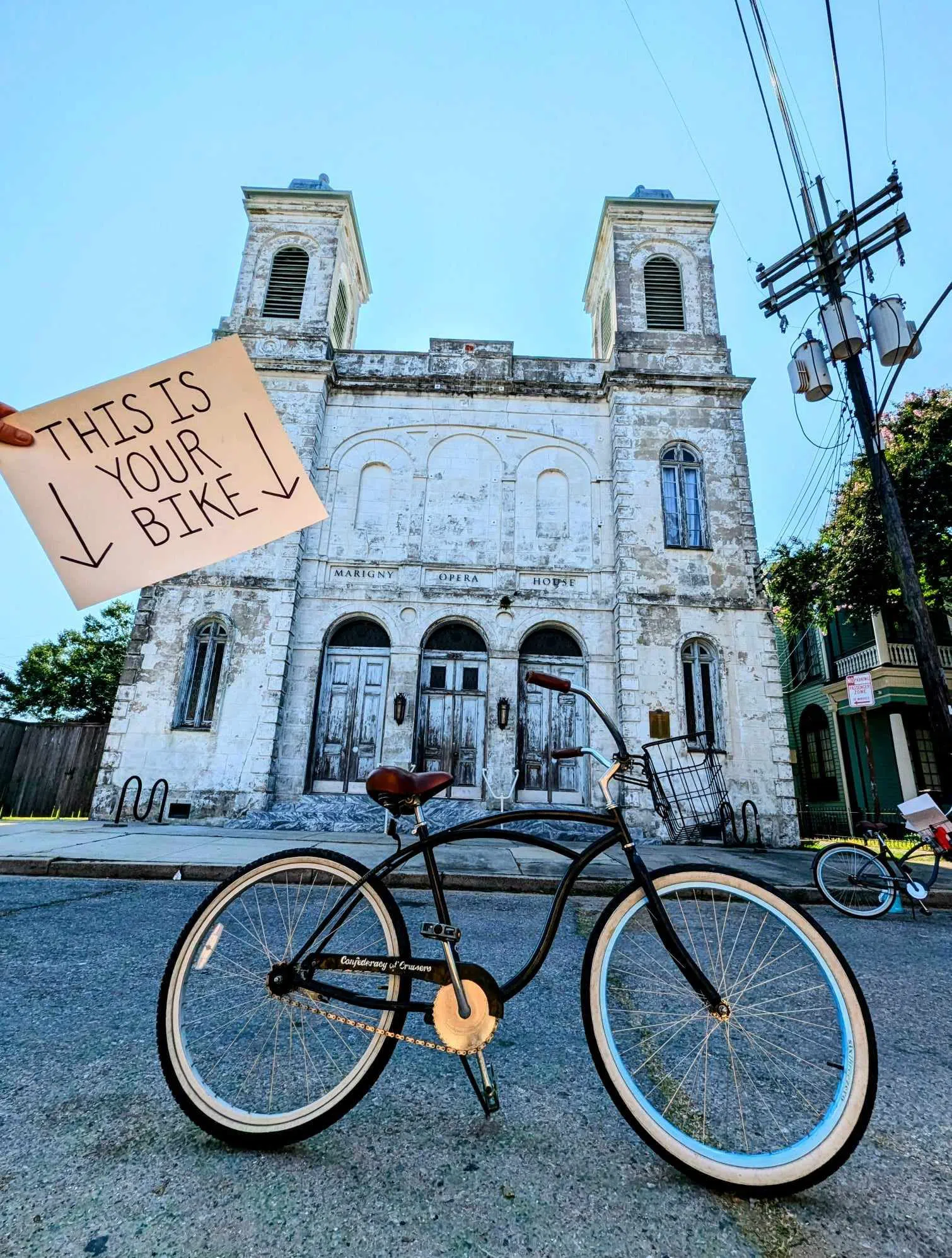
A Street Tour Named Desire (634 Elysian Fields, Marigny) is the city's oldest bike-tour company, rebranded from Confederacy of Cruisers and still run by the same people. Tours are $55 to $99 per person for roughly three hours, with bike, helmet and water included, and they ride the flat ground through Marigny, Bywater and Tremé, precisely the part of the city most visitors never reach on foot. It is reservation-only and the groups are small; private departures are arranged directly, which suits a family or a stag party better than joining strangers.
The river boat, the loop bus and the mules
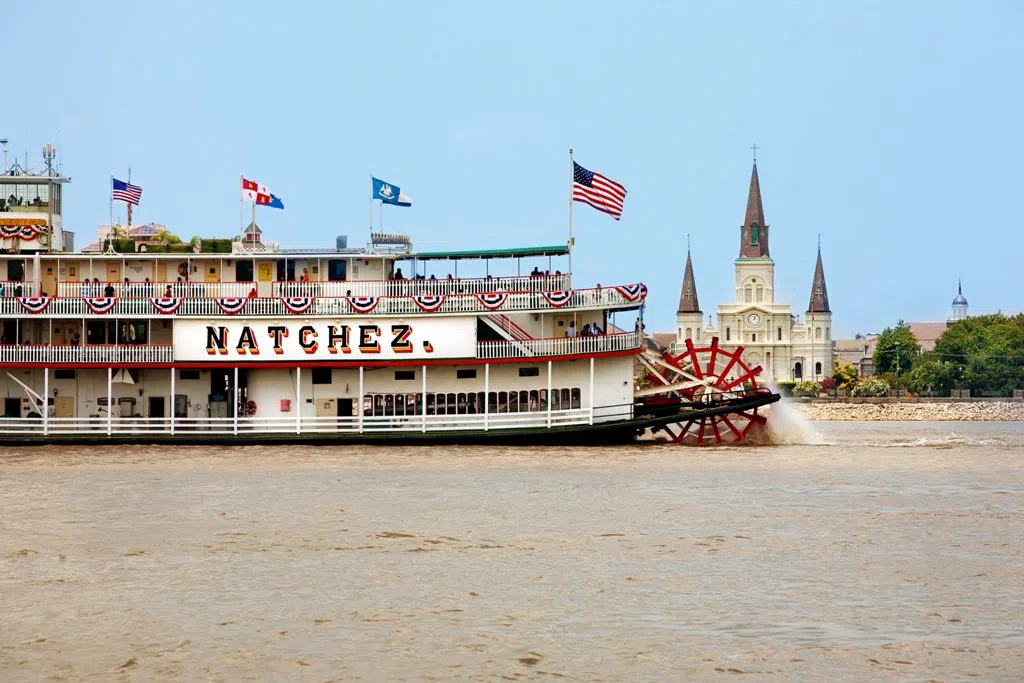
The Steamboat Natchez (boards at 400 Toulouse, on the riverfront) is a tourist set-piece that happens also to be the easiest way to understand the port. The 75-minute sightseeing sail is $25.75 for adults; the lunch cruise is $65, brunch $80 and the jazz dinner cruise $107.50. Parties of ten or more get an automatic 10% discount, and larger groups and charters are handled directly. When the Natchez is in dry dock, her sister boat the Riverboat City of New Orleans covers the schedule, so a booking rarely evaporates. The dock is a five-minute walk from the Riverfront streetcar.
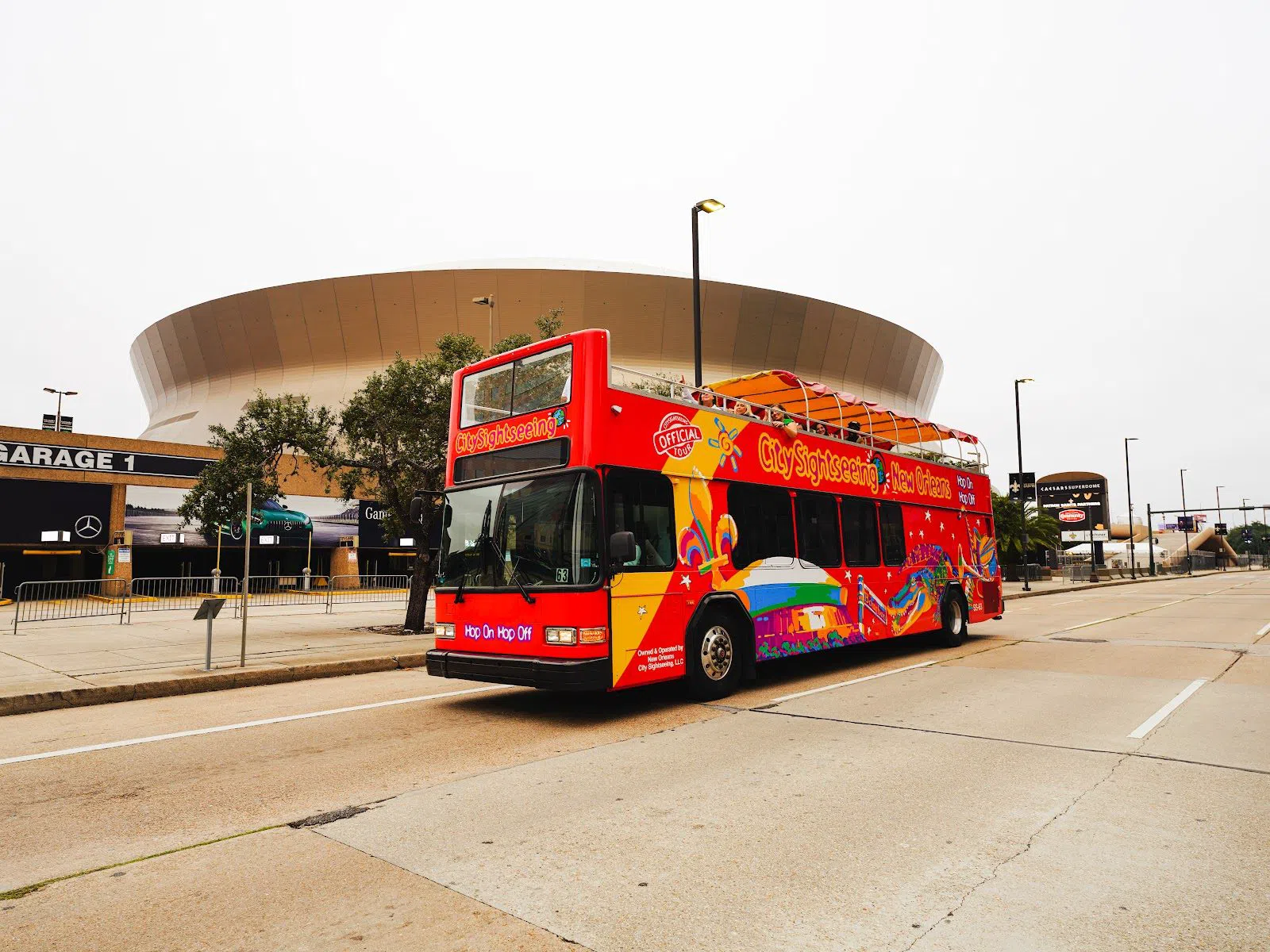
City Sightseeing New Orleans (19 stops across the Quarter, Garden District, Superdome and riverfront) runs a 90-minute loop from 9:30am to 5:30pm, every 25 to 30 minutes, with walk-up boarding at any stop and a group department for tickets and private charters. Tickets are $49 for 24 hours, $54 for 48 and $63 for 72. Do the arithmetic honestly: a day on the hop-on bus costs sixteen times a day on the entire streetcar and bus network. Buy it if you want the Garden District and City Park in a single day without working out three transfers, or if the walking between stops is the obstacle. Otherwise the $3 pass does more. Routes shift during Mardi Gras and French Quarter Festival, so check the board rather than the map you screenshotted last month.
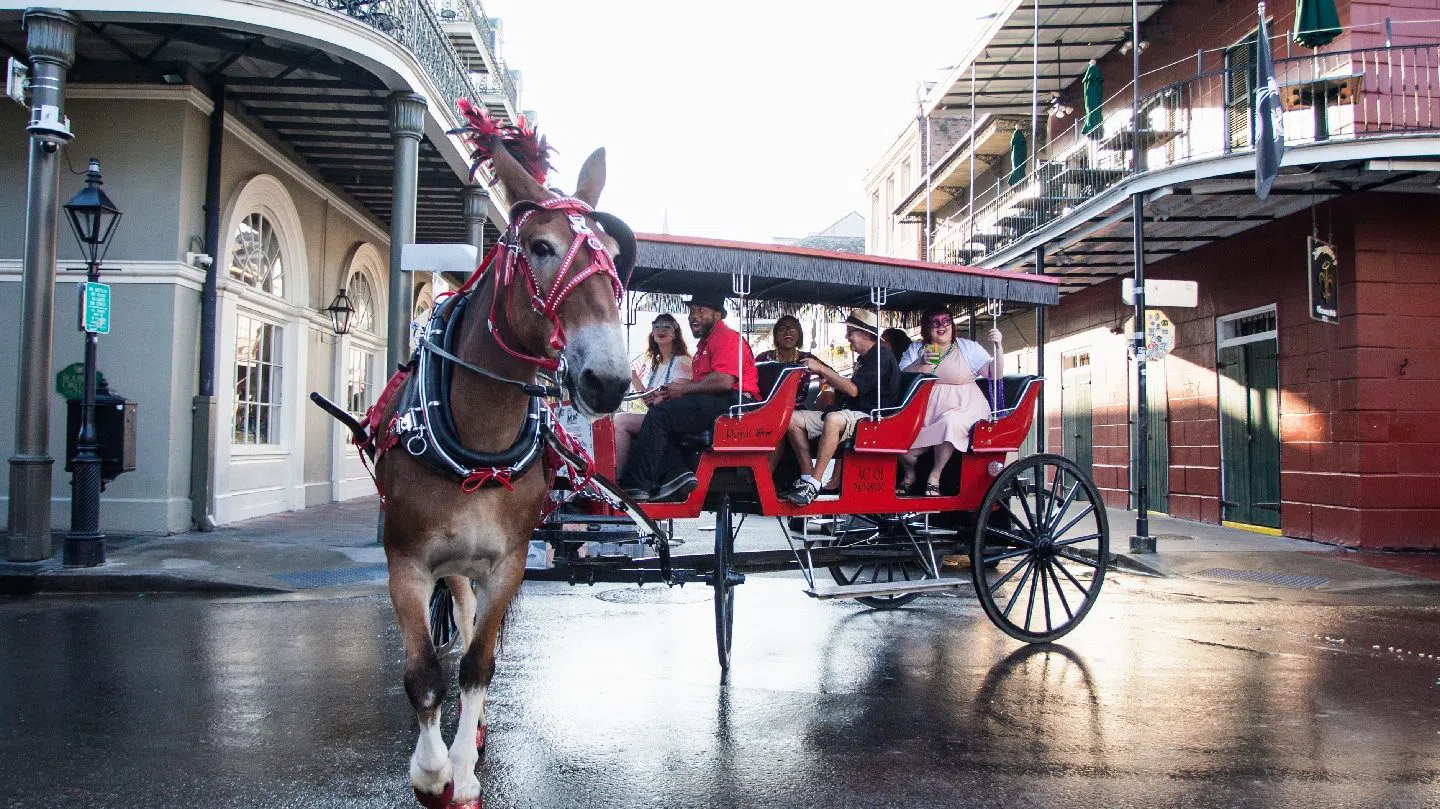
Royal Carriages (boards at 700 Decatur, in front of Jackson Square) runs seven days a week, weather permitting. Shared carriages take larger parties at roughly $25 to $35 a head for the hour; private carriages take one to four people and are priced per carriage, not per person. It is slow, narrated and unashamedly touristic, and it earns its place for one reason: it moves elderly or footsore travellers through the Quarter's back streets at a pace walking cannot match.
City Park, the zoo and a paddle on the bayou
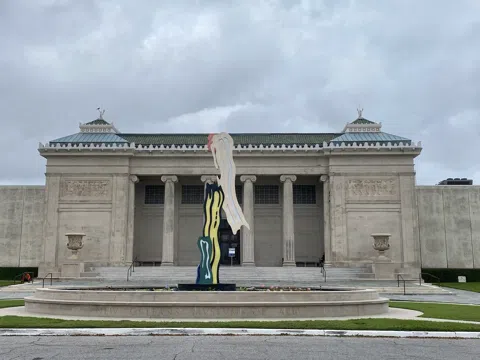
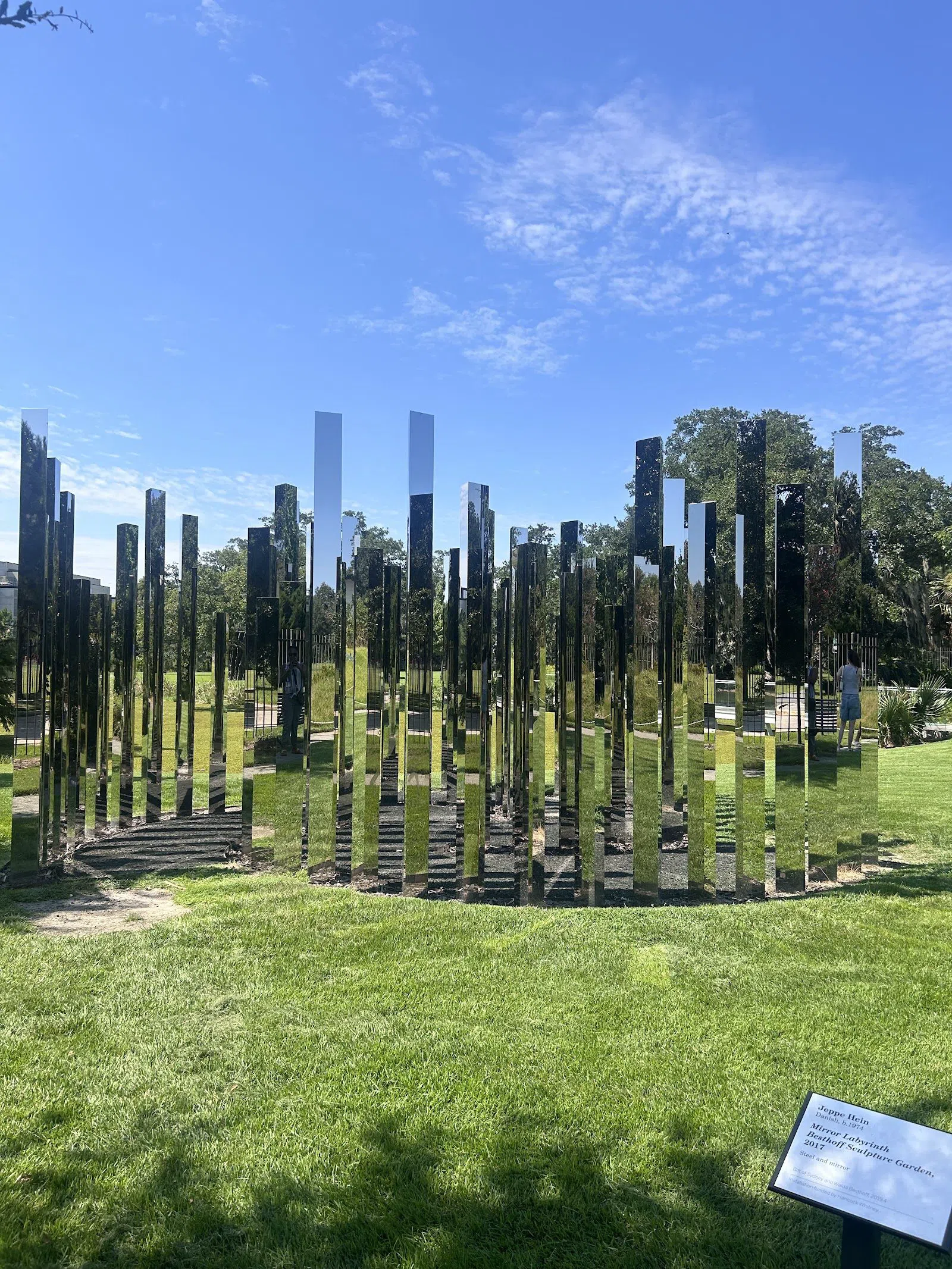
Family days out are where a car looks tempting and turns out to be unnecessary. The New Orleans Museum of Art & Besthoff Sculpture Garden (City Park, Mid-City) sits a short walk from where the Canal/City Park streetcar terminates at Wisner and Esplanade. Museum admission is moderate and the sculpture garden is free to enter; guided group tours can be booked in advance. With the park, the garden and the old carousel in one place, that is an entire afternoon reached on a $3 day pass.
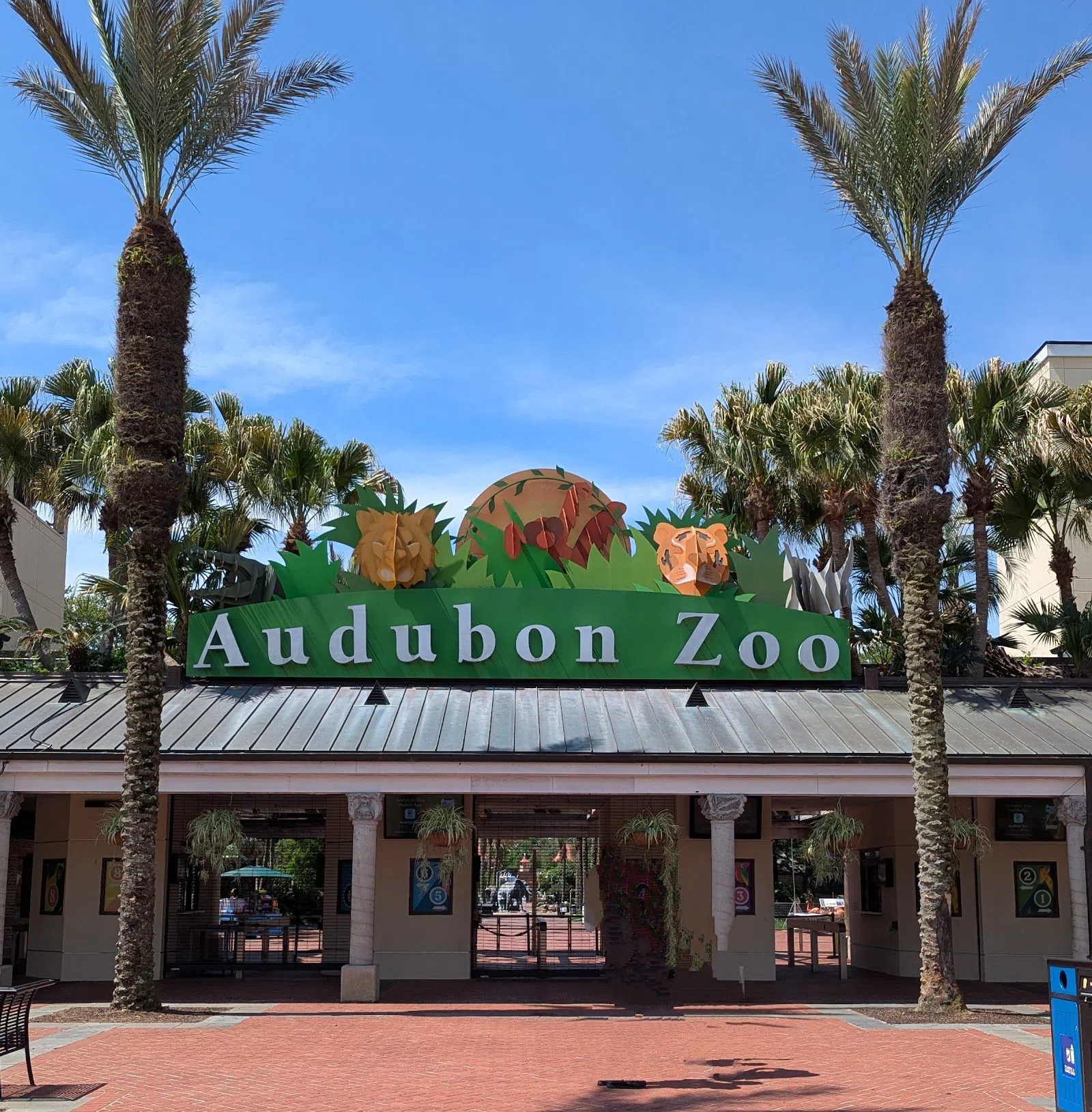
Audubon Zoo (Uptown) is the classic car-free half-day: St. Charles streetcar to the Tulane/Loyola stop, then a walk across Audubon Park to Magazine Street, or the 11 Magazine bus straight to the gate. Admission is mid-range, with combination tickets available for the Aquarium and Insectarium, and large groups and school parties are welcome with advance booking. Check the calendar before you set out: seasonal Tuesday and Wednesday closures resume from 8 September 2026, and the walk across the park is a long one to make for a locked gate.
Kayak-iti-Yat (Bayou St. John, Mid-City) launches off Esplanade Avenue, reachable by the same Canal/City Park streetcar or a flat twenty-minute ride. The two-hour guided paddle costs roughly mid-double digits per person and runs six days a week, year-round, in small groups, with private paddles on request. Beginners handle it without trouble, and there is no swamp coach transfer at either end. Bayou St. John is also the reason the city is where it is: it was the portage route between the lake and the river, which is worth knowing while you drift past the back gardens on it. Tours are reservation-only; this is not a walk-up.

The swamp is the one trip that needs an engine

Everything above works without wheels. The swamp does not, and pretending otherwise wastes a day. Cajun Encounters Tour Company (booking office at 941 Decatur, French Quarter) is the cleanest fix: round-trip pickup from French Quarter and downtown hotels, boats at 9:30am, 12:15pm, 2:45pm and 5:00pm. The original swamp tour starts at $39.99 and the VIP small-boat tour at $99.99, with hotel pickup adding $30 per person. Note that the pickup is priced per head, so a family of four is paying $120 for the transfer alone. Air-conditioned coaches take large groups comfortably; the VIP boats cap numbers for a closer, quieter trip. Allow four to five hours door to door and do not stack anything tight behind it.
Arriving, leaving, and three in the morning
From the airport, the 202 Airport Express runs to Elk Place for $1.25 on the same fare and pass as everything else. It is slow and it is a bus, but with hand luggage and no deadline it is hard to argue with the price.
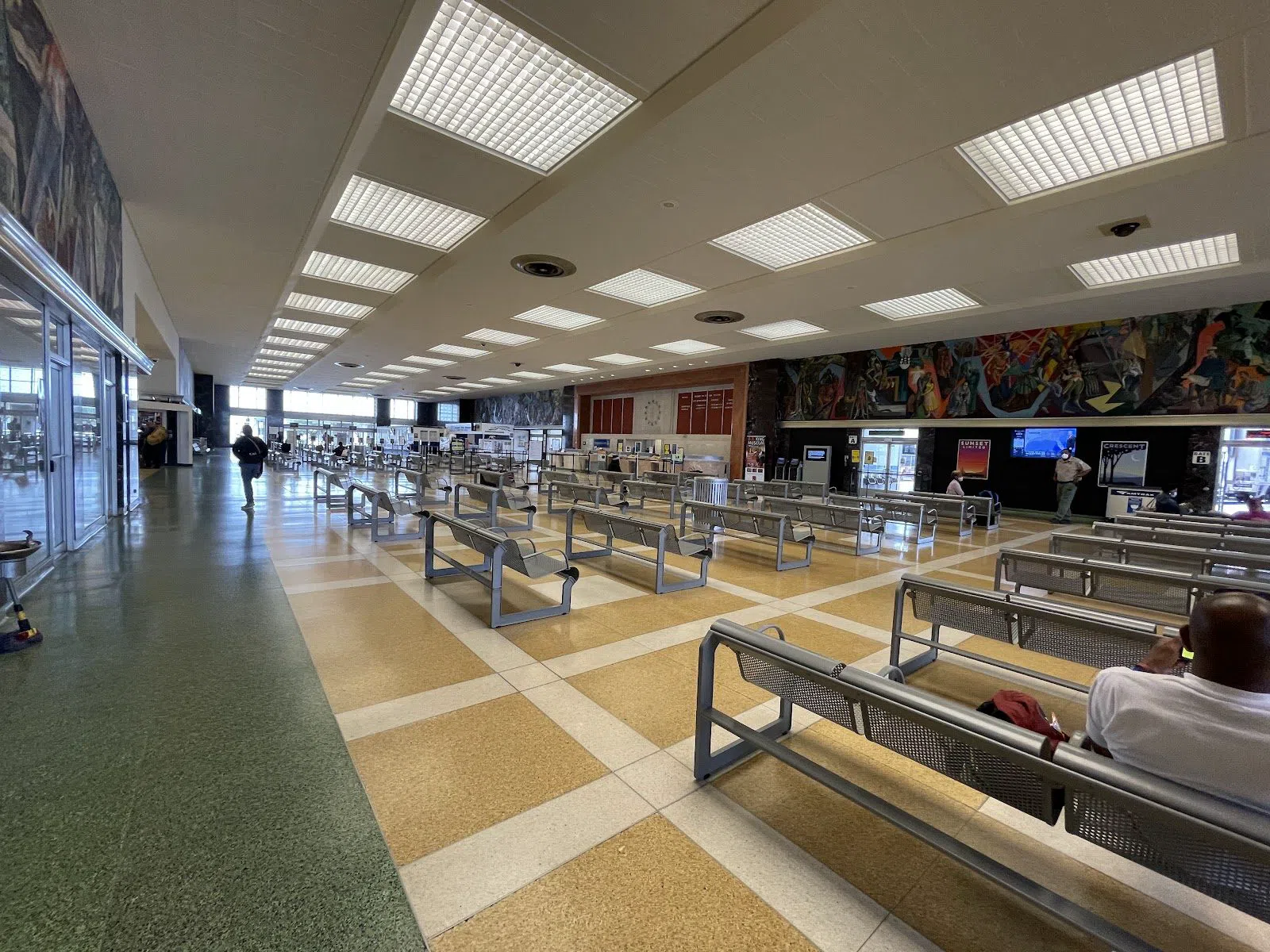
Amtrak — New Orleans Union Passenger Terminal (Loyola Avenue, CBD) is the elegant arrival. Four long-distance routes call here, plus the Mardi Gras Service running twice daily along the Gulf Coast, all with reserved seating and group fares available. The Rampart/Loyola streetcar starts at the door, so you can step off a train and reach the Quarter without ever sitting in a car. Gulf Coast day trips are cheap; sleeper berths are not.
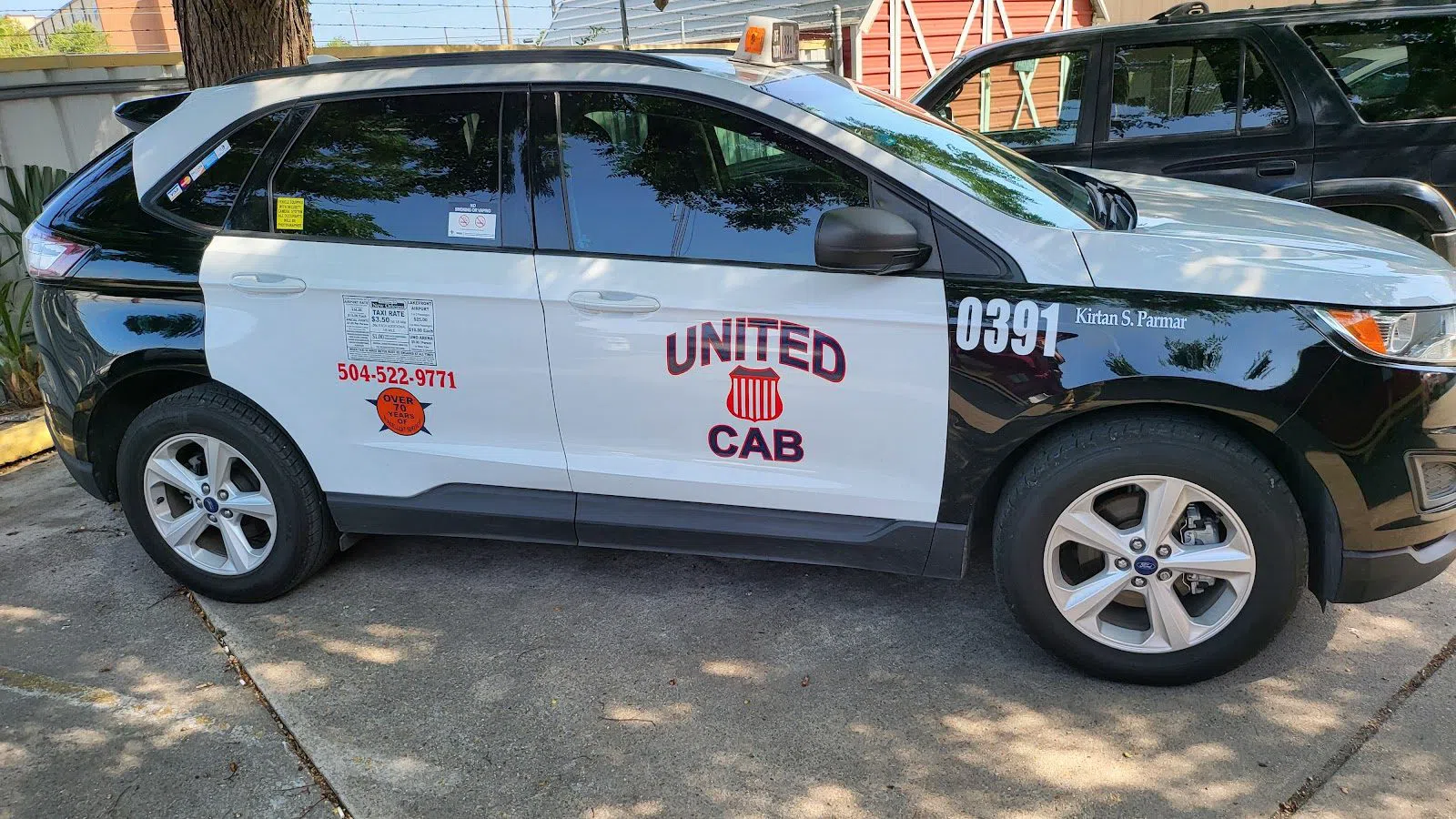
United Cabs (citywide, 24/7 dispatch) has been running since 1938 and answers on (504) 522-9771 or through the Curb app. Fares are metered, with fixed airport rates to downtown that usually beat surge-priced rideshare, and maxi-taxis are available for larger parties with luggage. This is the fallback that matters: after a festival or a Saints game, and at 3am in a part of town the streetcar does not reach.
One piece of plain advice about walking at night. The core of the Quarter is busy and lit until late, and so is Frenchmen Street, but the edges thin out quickly: Rampart, the blocks between the Quarter and the Marigny, the long walk back Uptown. Those are the stretches to hand to a pedicab or a cab rather than your feet. Ten blocks costs a few dollars and removes the entire question.
Practical notes
Transport. Buy the Jazzy Pass in the Le Pass app before you board rather than fumbling at the farebox; $3 a day, $8 for three days, $15 for a week, and it covers streetcars, buses and the Algiers ferry. Single rides are $1.25 and the ferry is $2 on its own.
Cash. Cards work almost everywhere, but carry small notes for pedicab and carriage drivers, and for tipping guides on the bike and kayak tours.
Timing. Streetcars are least crowded in the middle of the day and worst on parade and event nights. French Quarter Go! closes Sunday and Monday. Audubon Zoo resumes seasonal Tuesday and Wednesday closures from 8 September 2026. The last Algiers ferry is 8:45pm Sunday to Thursday, 10:45pm Friday and Saturday. Kayak-iti-Yat, Cajun Encounters and A Street Tour Named Desire all need booking ahead; the streetcar, ferry, hop-on bus and carriages do not.
Budget. A full car-free day of streetcars, buses and the ferry costs $3. Add a swamp tour with pickup, a steamboat sail or a hop-on bus ticket and you are into real money, so pick one splurge a day rather than three. For where to eat, drink and stay between the rides, the New Orleans guide covers the rest of the city.
Before you go
Do you actually need a car in New Orleans?
No. Four streetcar lines plus RTA buses reach the French Quarter, Garden District, Audubon Park, City Park and the train station, and a Jazzy Pass covering all of them costs $3 a day. The one trip that needs a car is a swamp tour, and operators such as Cajun Encounters pick up from Quarter and downtown hotels for $30 per person.
How much is a streetcar ride, and which pass is worth it?
A single ride is $1.25. A Jazzy Pass through the Le Pass app is $3 for a day, $8 for three days and $15 for a week, and it also covers RTA buses and the Algiers Point ferry. Three journeys in a day and the day pass has paid for itself.
How do I get from the airport into the city without a car?
The 202 Airport Express runs from MSY to Elk Place for $1.25, on the same fare and pass as the streetcars. It is slow, but cheap if you are carrying only hand luggage. United Cabs charges a fixed airport rate to downtown, dispatches 24/7 on (504) 522-9771 or through Curb, and has maxi-taxis for larger parties, which usually costs less than surge-priced rideshare.
Is the Algiers Point ferry worth taking as a visitor?
Yes, and it is $2, or free with a Jazzy Pass. The crossing takes five to ten minutes from the foot of Canal Street, with the skyline visible from mid-river and the 19th-century clapboard streets of Algiers Point to walk at the other end. It is pedestrians only, bikes ride free, and the last boat is 8:45pm Sunday to Thursday, 10:45pm Friday and Saturday.
Can a family with young children manage New Orleans car-free?
Comfortably. The St. Charles streetcar reaches Audubon Zoo via the Tulane/Loyola stop or the 11 Magazine bus, and the Canal/City Park line ends a short walk from the New Orleans Museum of Art, the free Besthoff Sculpture Garden and the City Park carousel. Travel mid-morning or mid-afternoon, since cars fill at rush hour and a full one will pass your stop.