The New Orleans issue
New Orleans in September Without Losing a Day to the Heat
September is the cheapest month to be in New Orleans and the trickiest to plan, because the heat and the afternoon storms set your hours, and hurricane season is one risk you can watch approaching instead of one that ambushes you.

By Robin de VriesThe city by streetcar line, block by block
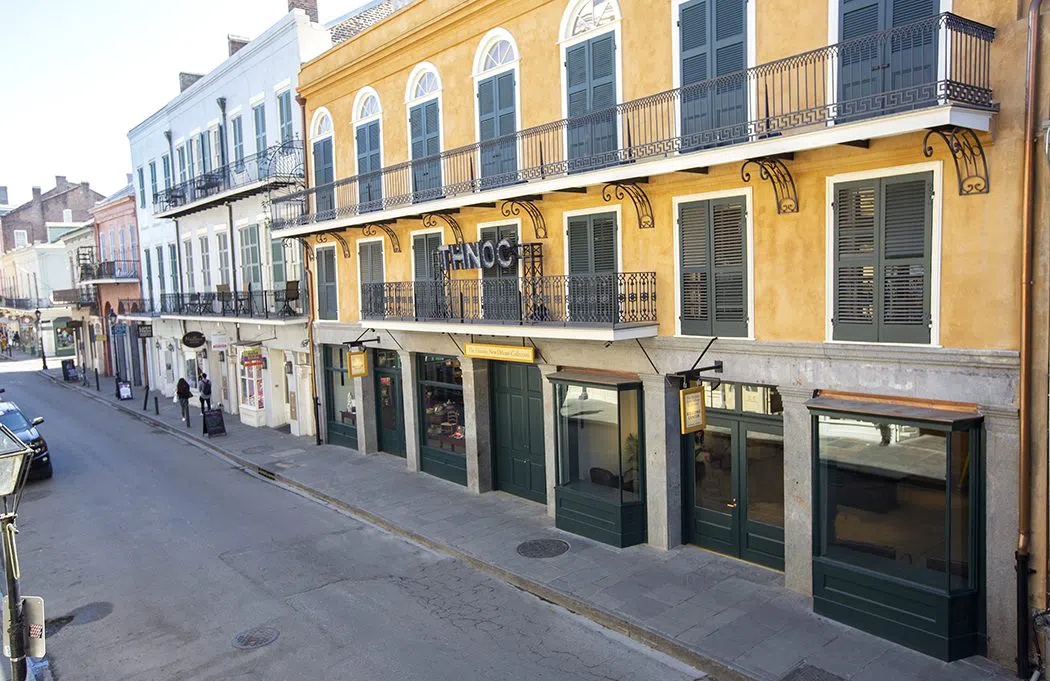
By nine in the morning the air here already has weight to it, and you learn fast to treat the shaded side of a French Quarter street as your route rather than your preference. September is the month New Orleans largely keeps for itself: room rates soften, the queues at the ticket desks thin out, and everyone who lives here worked out long ago that the day has two usable ends and a long unworkable middle. Plan around that shape, keep half an eye on the Gulf, and the month pays you back.
What September actually does here
Start with the numbers, because they set every other decision. Afternoons run to roughly 31 to 33°C, the overnight low seldom drops below 24°C, and the humidity means the thermometer undersells the walk. Rain is routine here. Most afternoons a thunderstorm builds somewhere over the city, empties itself hard for twenty or thirty minutes, then leaves the pavement steaming. Bring a small folding umbrella rather than a rain jacket; you will not want the extra layer on your back.
Hurricane season runs from 1 June to 30 November, and its statistical peak falls in the second week of September. That is the honest reason the rates are low this month, and it is worth being precise about what the risk looks like. A Gulf storm is slow and heavily forecast, and it announces itself days ahead. The National Hurricane Center publishes a five-day tropical outlook, and a system that could reach the coast shows up there long before it could affect your Tuesday. Most Septembers, nothing touches the city at all. In the ones that do, the practical cost to a visitor is usually a day spent indoors and some disruption to flights at one end of the trip. You are planning around a variable you can watch.
Plan your New Orleans trip
Live prices from our booking partners.
Free cancellation on many rooms. We may earn a commission when you book.
The shape of a day that works
Split the day into three parts. From about seven until half past ten the city is genuinely pleasant and the light is good, so walk then: the buildings, the Quarter wandering, the riverfront. From eleven until five, be indoors and be somewhere that costs money, because the paid attractions here are the properly cold ones. From about seven, when the sun is off the streets, the city becomes sittable again and the music starts.
Book the ticketed, air-conditioned things for the middle of the day and leave the free wandering to the edges. Two practical notes. Distances in the Quarter are short but humidity multiplies them, so a fifteen-minute walk in September costs what a half-hour walk costs in March; use the streetcar more than you think you need to. And carry water; there is no shame in ducking into a hotel lobby for five minutes. The wider New Orleans guide covers the year-round basics, so this piece sticks to the month.
Cold rooms inside the Quarter
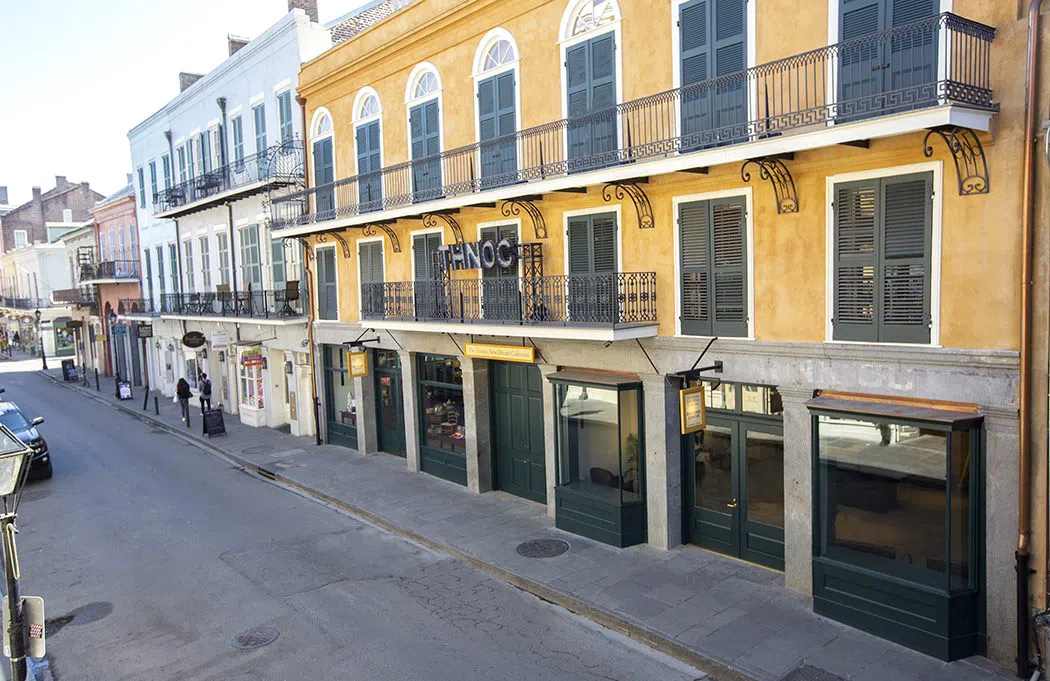
The Historic New Orleans Collection (French Quarter, on Royal Street) is the best forty-five minutes of relief in the city, and it is free. Tickets are required, but you can reserve online or take one at the front desk. The galleries are small, intimate rooms, so two or four people walk straight in while a larger party should book ahead; some guided tours carry a small fee. It is closed on Mondays, which matters when you are building a wet-weather list.
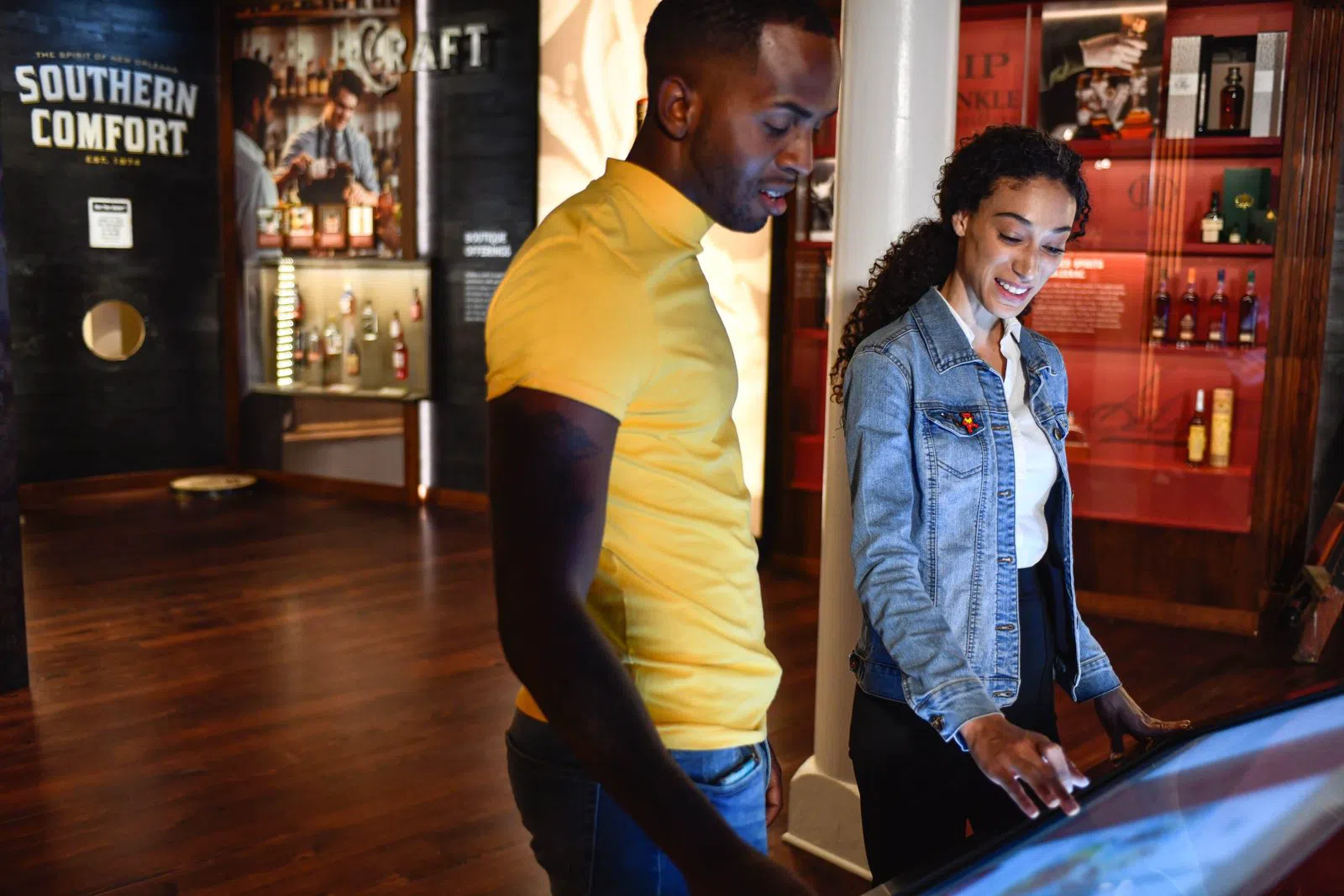
The Sazerac House (top of Canal Street, on the CBD edge of the Quarter) is free, strictly 21+, and three storeys of cold. Self-guided entry runs every twenty minutes and larger groups should reserve the free slot online. The tasting pours make it a real hour rather than a token stop, and it sits exactly where you will already be walking between the Quarter and Canal.
Napoleon House (French Quarter, Chartres Street) is the shaded middle ground, where the courtyard and the thick old walls stay cool without feeling refrigerated. Walk-ins only, no reservations, open daily from 11am to 10pm, so bring a group at 11.30 or at three rather than at seven. The Pimm's Cup, poured here since Prohibition ended, is the correct drink for the month, and the muffuletta is the correct thing to put under it.

Museums big enough to absorb a storm

The National WWII Museum (Warehouse District, a ten-minute walk from Canal Street) is the single most reliable place to lose half a September day. Five pavilions, comprehensively air-conditioned, open daily 9am to 5pm, with general admission around $27 to $37 for an adult and add-ons like the Beyond All Boundaries film costing extra. It handles groups better than anywhere else on this list: a dedicated group-sales desk, timed-entry tickets so a party of ten or more books the same slot, and a lobby and two cafés with room to absorb everyone. When a band of rain parks over the city, this is the plan.
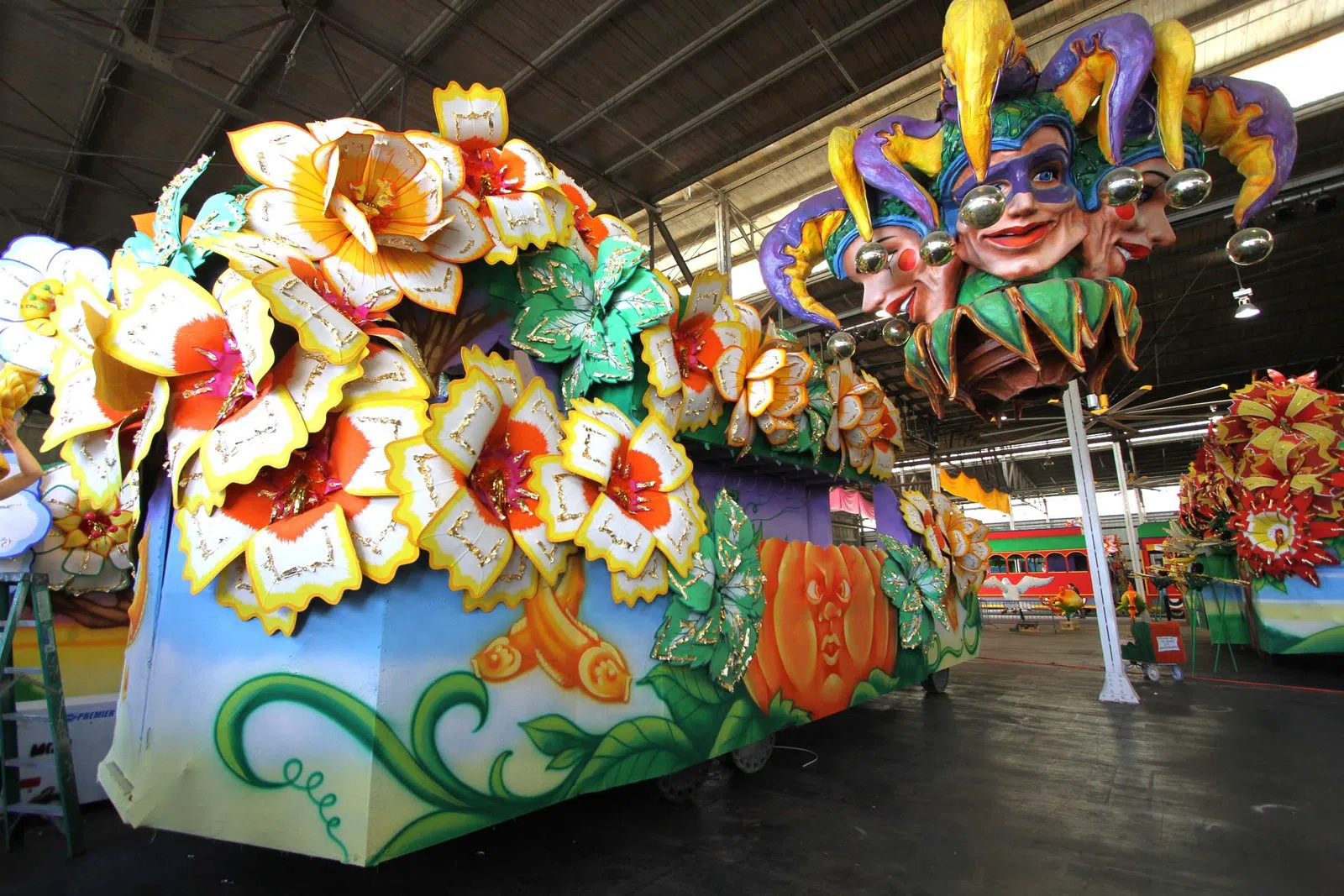
Mardi Gras World (on the riverfront below the Convention Center) is a working float den rather than a museum, entirely indoors, open 9am to 5.30pm with guided tours every thirty minutes and admission around $25 including a slice of king cake. The detail that makes it a September stop is the free shuttle from ten downtown pickup points, so nobody in your party walks there in the heat.
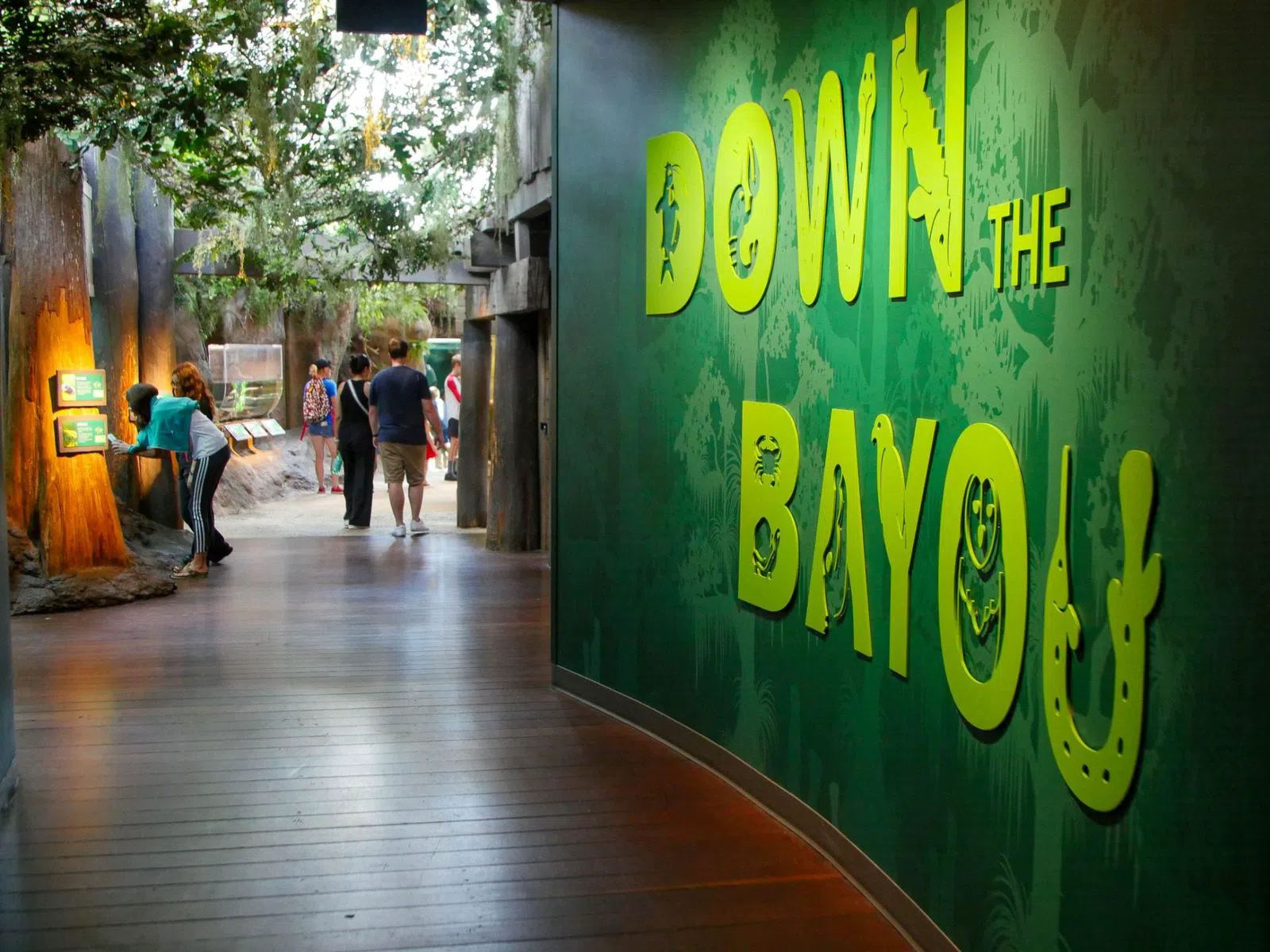
Audubon Aquarium and Audubon Insectarium (foot of Canal Street, by the river) merged into one Canal Street building, so a combined adult ticket of roughly $40 to $50 buys a single air-conditioned stop rather than two. Circulation space is wide, which is exactly what you want with children on a 30°C afternoon, and there is up to three hours of free parking at Canal Place if you have driven in.
Art that justifies leaving the Quarter
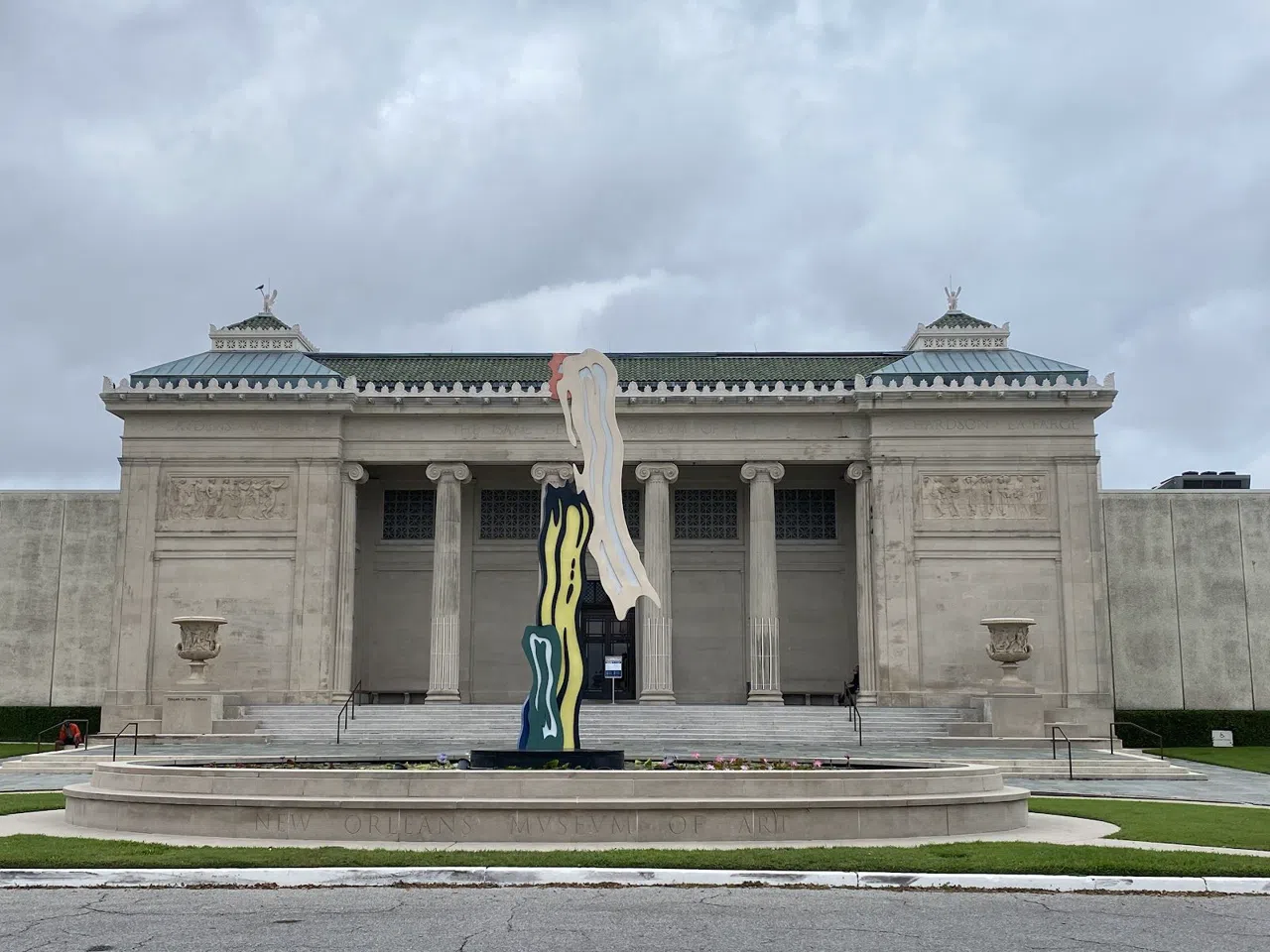
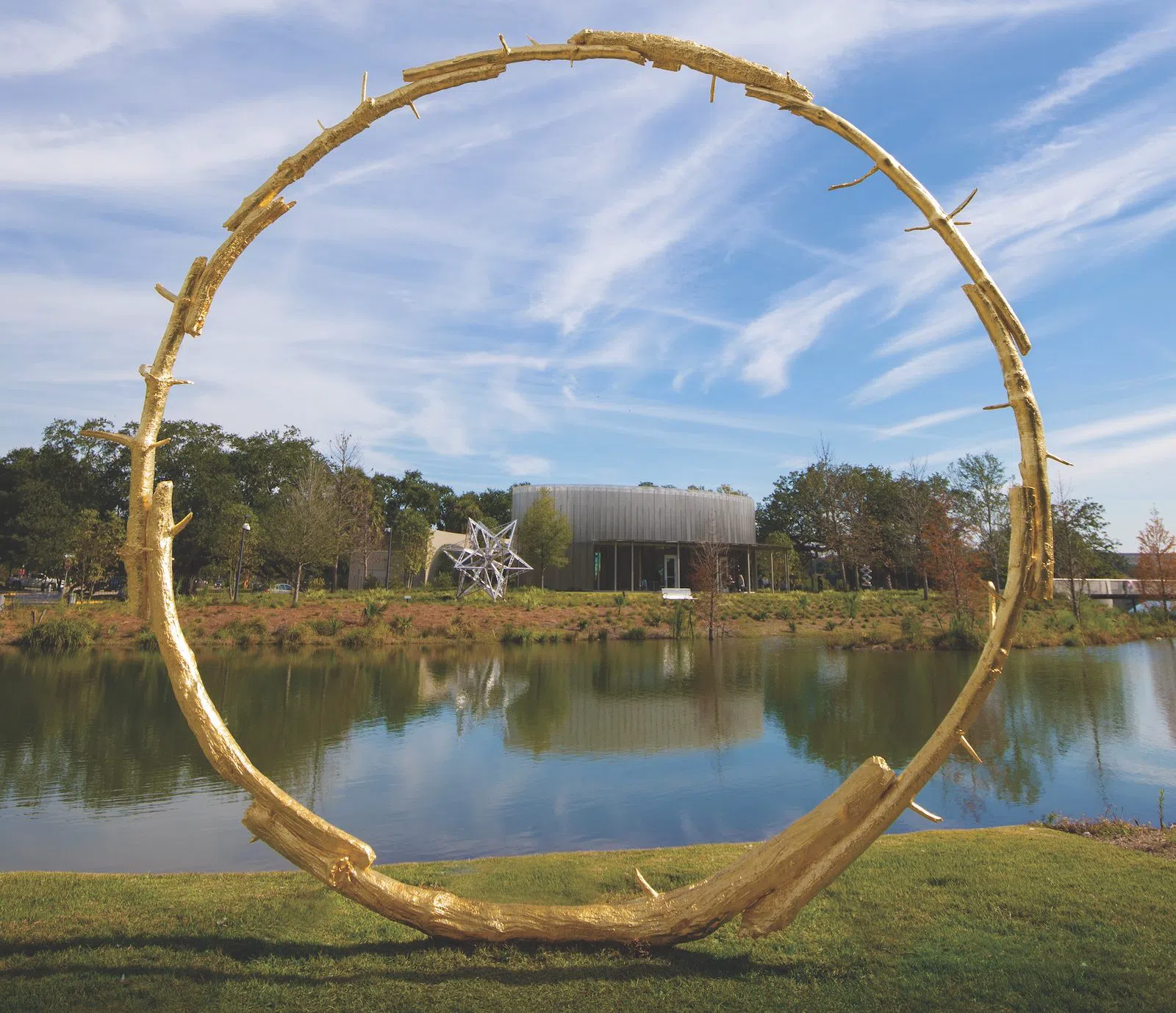
New Orleans Museum of Art and the Sydney and Walda Besthoff Sculpture Garden (City Park, at the end of the Canal streetcar's City Park spur) is the one pairing built for this month. The sculpture garden is free and opens at 10am with summer hours running to 6pm, so walk it under the live oaks early, then move into the museum, admission roughly $15 to $20, when the humidity wins. The museum takes groups with advance booking; the garden needs nothing and lets a group split up and drift at its own pace.
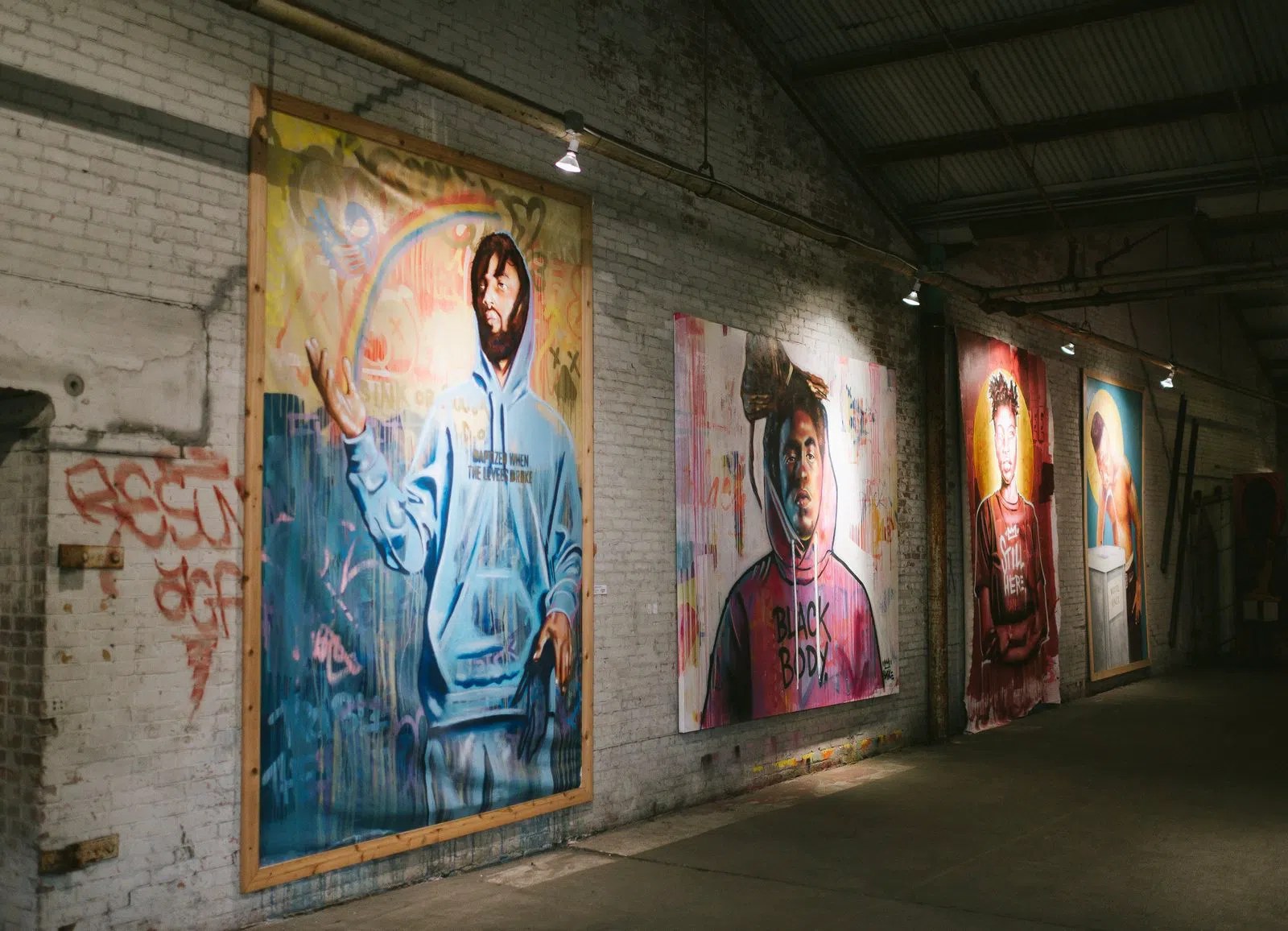
Studio BE (Bywater) is Brandan 'BMike' Odums's warehouse, and at around $20 it is the most striking indoor hour outside the Quarter. Check the hours before you go: Wednesday to Sunday only. The scale of the building means it stays comfortable for a group and never feels crowded, even when rain has driven everyone off the street.
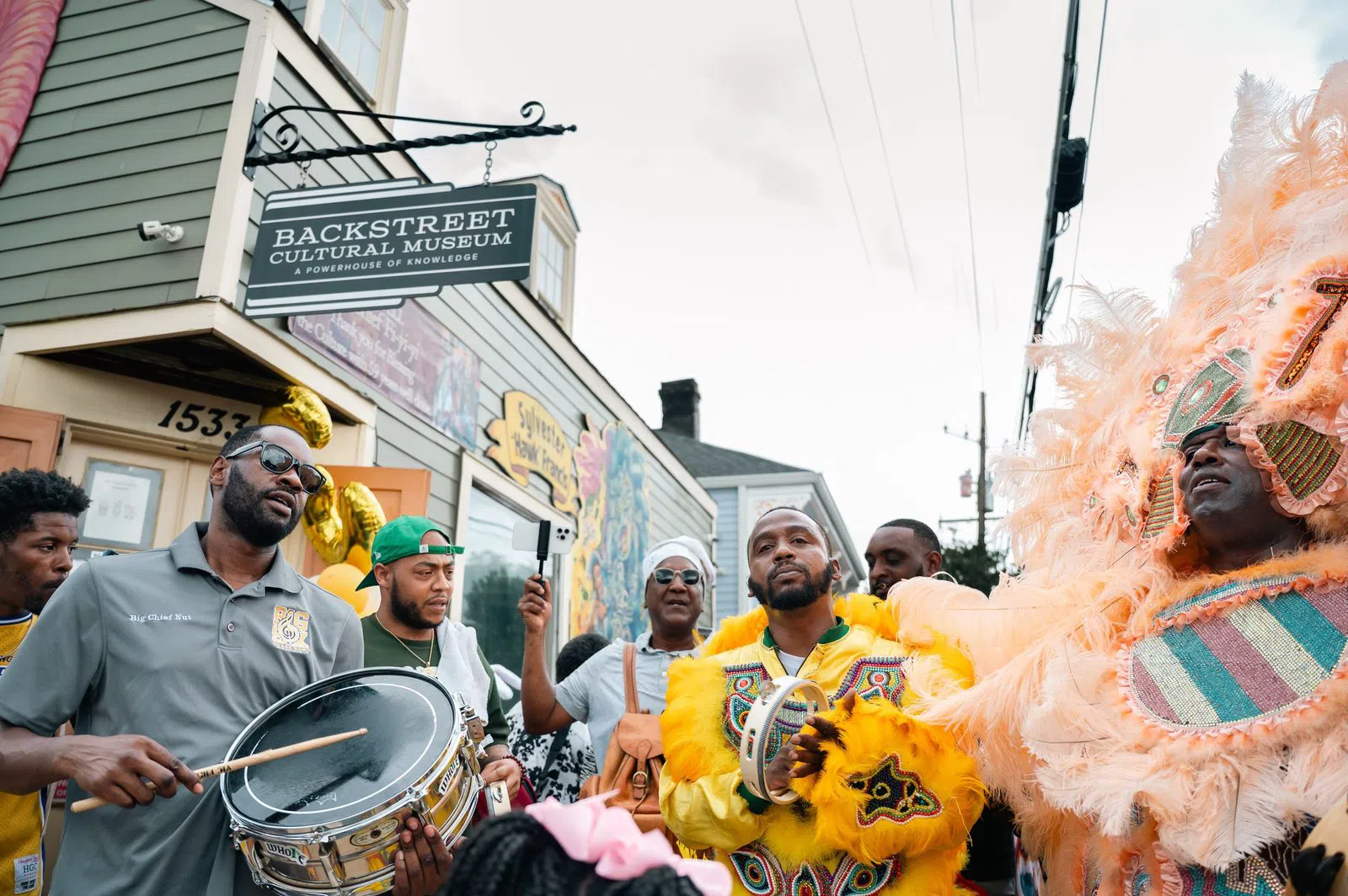
Backstreet Cultural Museum (Tremé, now at its St Philip Street home after the move from Henriette Delille Street) is the opposite proposition: tiny rooms, $10 for an adult, $8 for seniors and students, under-12s free, open Tuesday to Saturday from 10am to 4pm. The Mardi Gras Indian suits and social-aid-and-pleasure-club material are the real thing, and half an hour in here tells you more than a guided Tremé walk would in September. Call ahead for anything over about eight people; the space genuinely cannot take a coach party.
Lunch as a cooling strategy
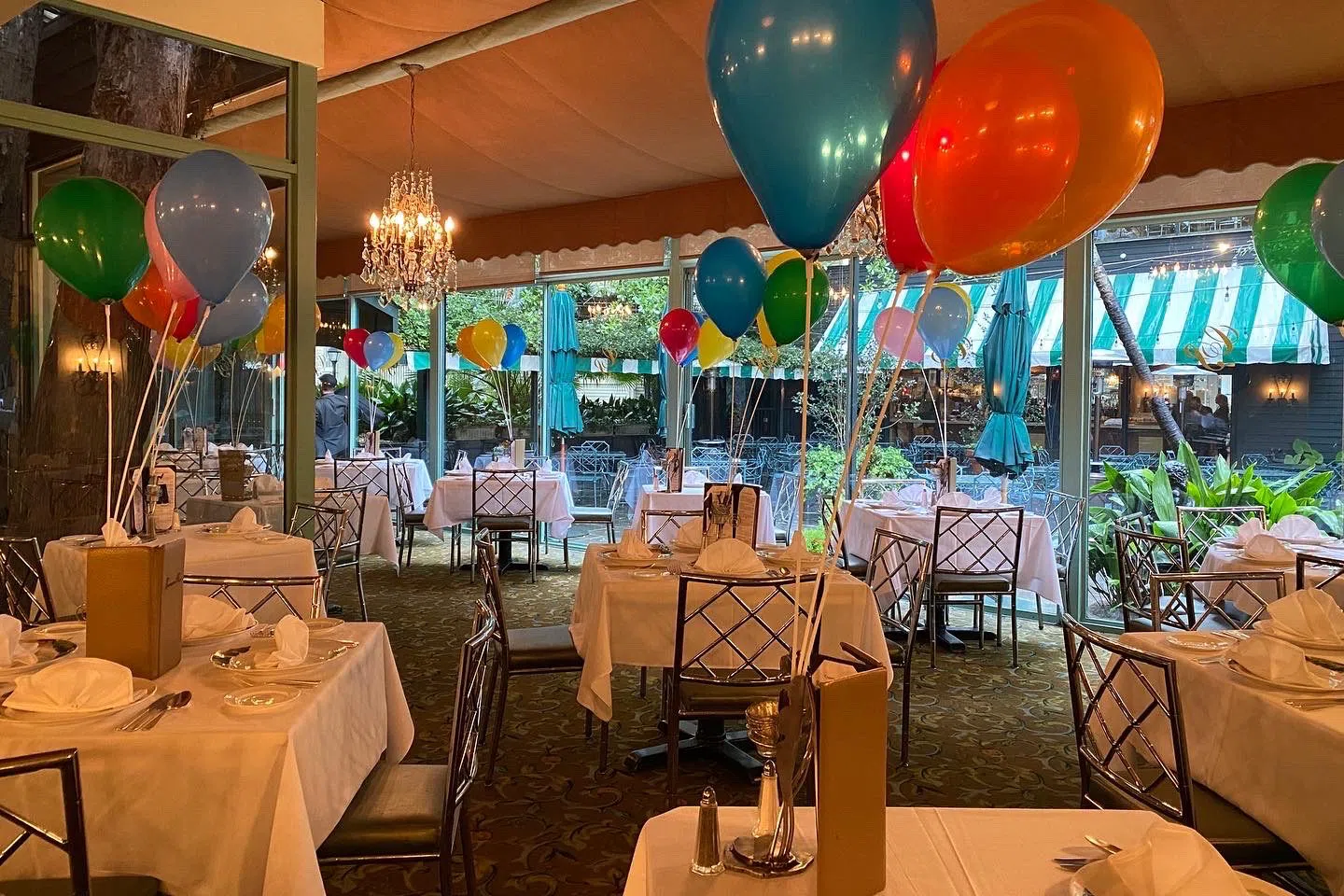
The most sensible thing you can do with the worst two hours of the afternoon is sit inside somewhere good for a long time. Commander's Palace (Garden District, Washington Avenue, a short walk from the St Charles streetcar) is built for that. Dinner is a splurge and jackets are preferred; the Wednesday-to-Friday lunch is the same kitchen at a fraction of the price, with 25-cent martinis limited to three. Book through Resy or by phone (it takes groups well and has private dining rooms) and treat the hour between one and three as the point of the exercise.
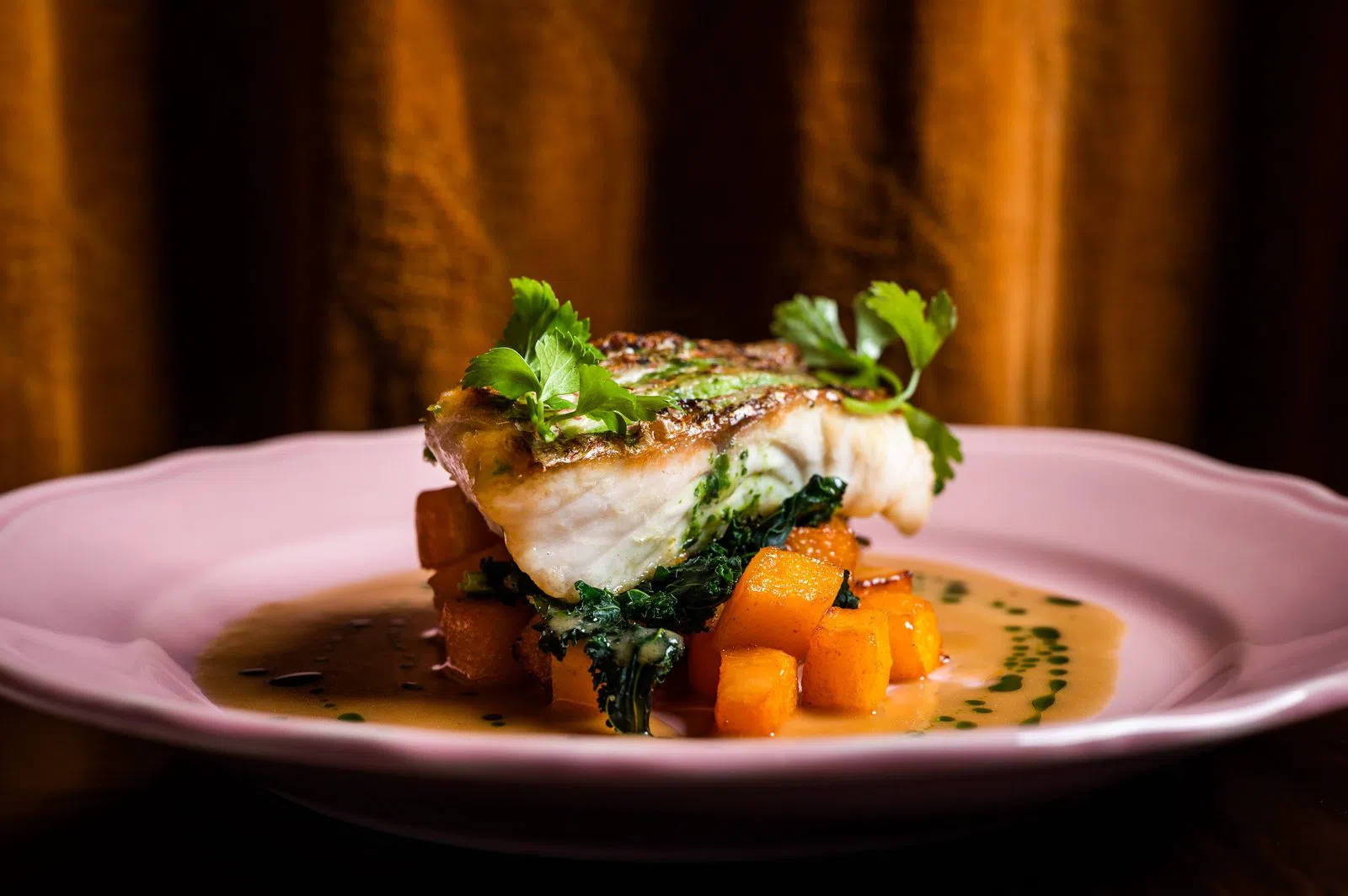
Dakar NOLA (on Magazine Street, uptown) is the other direction entirely: a small room, set seatings, and a Senegalese pescatarian tasting menu at roughly $185 and up per person. Chef Serigne Mbaye's restaurant won the James Beard award for Best New Restaurant and sits at No. 4 in North America's 50 Best Restaurants 2026, which makes it the one place here worth booking on OpenTable before you book a flight. It works for four to six; it does not work for a large party, and pretending otherwise will spoil it for the room.
When the light goes

d.b.a. (Frenchmen Street, Marigny) is where to start. It is air-conditioned, standing-room, takes no reservations, and has run brass, Cajun and swamp-pop residencies nightly since 2000. Open daily 6pm to 1am, Saturdays from 2pm, with a cover typically $10 to $20 depending on the act. A group walks in easily on a weeknight and struggles at the weekend, which is an argument for planning your Frenchmen night for a Tuesday.
Preservation Hall (French Quarter, St Peter Street) carries the one genuine caveat on this list: there is deliberately no air conditioning, because it would alter the acoustics. Sets run 45 minutes at fixed times, booking is online in advance with no door sales, general admission starts around $15 to $20 and 'Big Shot' reserved seats run roughly $35 to $50. In September, book the earliest set, take water, and accept that the room runs hotter than the street. It is forty-five minutes of deliberate discomfort and still worth it.

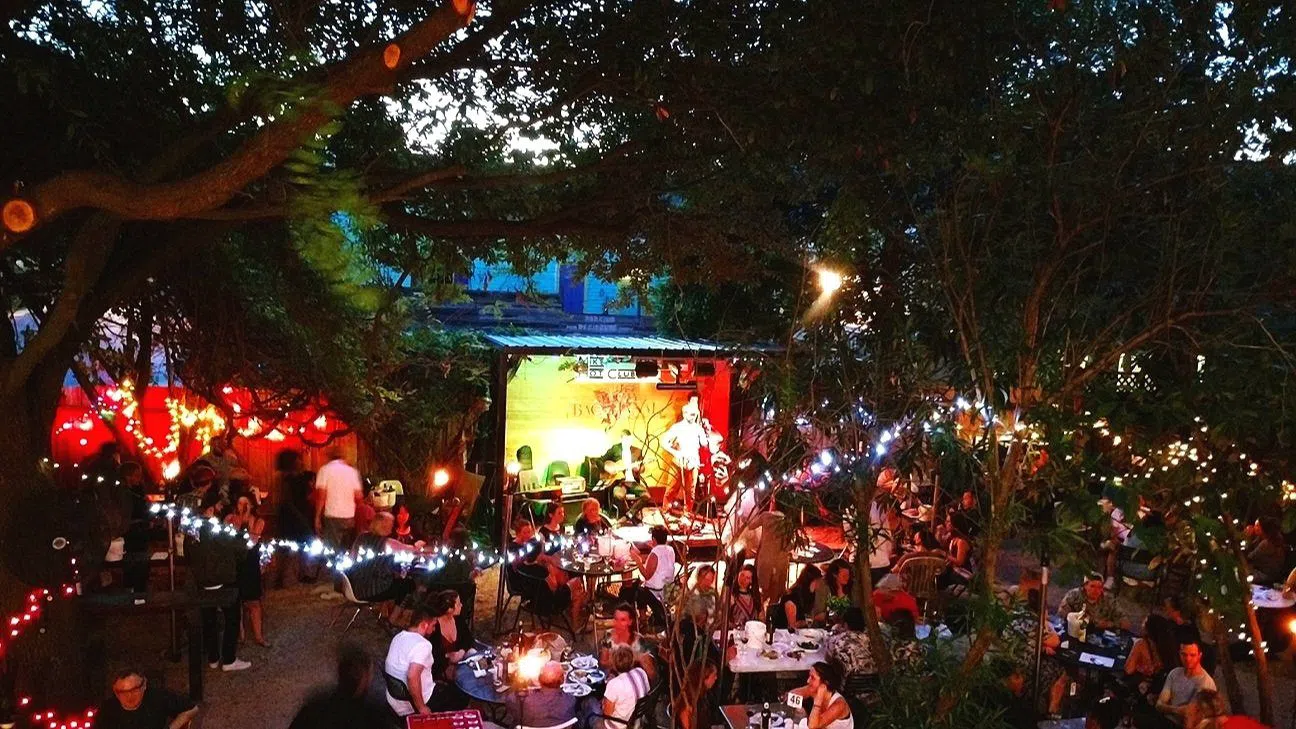
Bacchanal Wine (Bywater) has a backyard that simply does not work in September until the sun is down, which is precisely why you go at eight rather than five. It opens daily from 5pm, now takes reservations (use them for four or more), and there is live music nightly with no cover. Buy a bottle, add cheese and charcuterie, and let the evening cool around you.
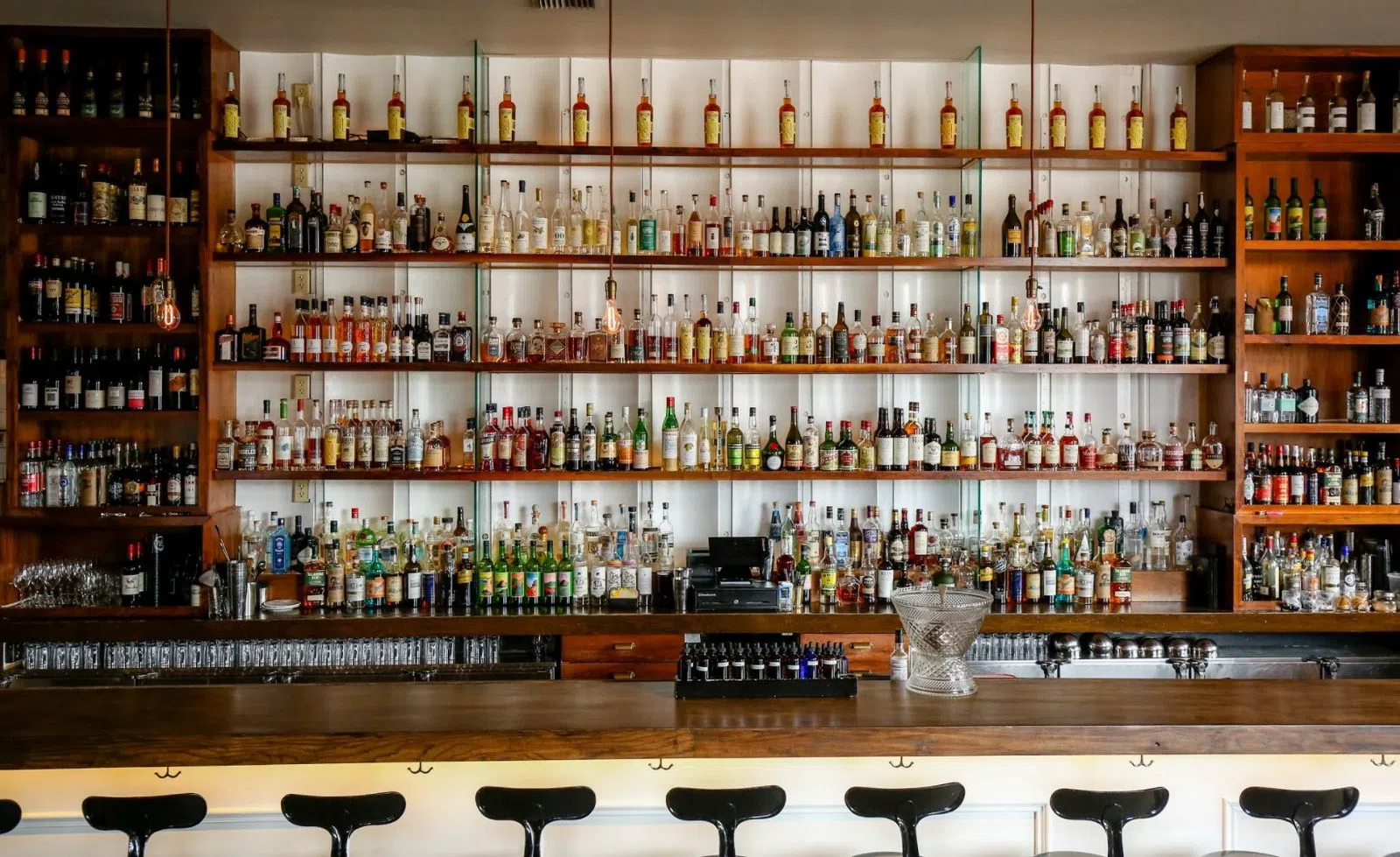
Cure (Freret Street, uptown) is the cold-room alternative: named the best bar in the United States by Food & Wine in 2025 and a fixture on North America's 50 Best Bars, with cocktails in the mid-teens. It opens at 4pm most days and 3pm on Friday and Saturday, takes no bar reservations, and rewards arriving early at the weekend. It is comfortable for a small group and worth the streetcar and the walk.
The outdoor hour that beats the heat
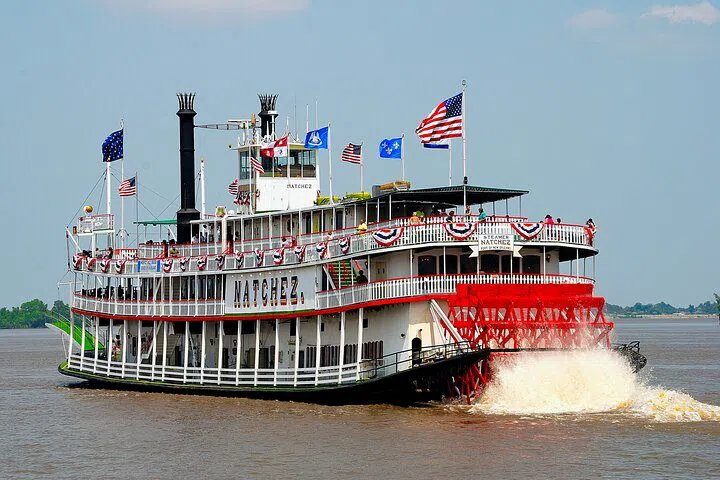
Steamboat Natchez (Toulouse Street Wharf, on the Quarter's riverfront) is the only outdoor activity here that beats the heat instead of fighting it, because the river generates its own breeze and the enclosed lower decks are air-conditioned when the sun wins anyway. The daytime jazz cruise starts around $44 for an adult and the evening dinner cruise around $89. With hundreds of seats it swallows a large group without fuss; book online in advance and take the upper deck once you are moving.
If a storm gets a name
Watch the National Hurricane Center's five-day outlook from about a week before you travel and again each morning while you are here. Book a refundable room, because the flexibility is worth more than the ten dollars it costs, and a New Orleans hotel search filtered to free cancellation is the single most useful hedge you can make. Airlines routinely issue change waivers when a named storm threatens the coast, so if one appears, act on the waiver early rather than at the last minute; the flights that leave are the ones booked before everyone else has the same idea.
If a system stalls offshore and simply rains on you for two days, you already have the answer above: the WWII Museum, Mardi Gras World and the Aquarium are each half a day indoors. Street flooding after a heavy downpour is common and drains fast. Never drive into standing water, and give the pumps an hour. If a watch or warning is issued for the coast while you are here, follow the city's official guidance rather than a weather app, and do not improvise.
Transport, money and timing
Streetcars and buses run on a flat fare of a little over a dollar, with a one-day pass for around three, and the St Charles line to the Garden District plus the Canal line to City Park cover most of what is in this article. Everything else is short rideshare hops, which in September you should take without guilt. Cards work almost everywhere; carry small notes for club covers, for tips at the bar (a dollar or two a drink), and for the brass bands you will walk past. Twenty per cent is the restaurant norm.
On timing, aim for the earliest slot at any museum, a long lunch at one, nothing at all between three and five, and out again at seven. Sunday to Thursday is materially easier for walk-in places like Napoleon House and d.b.a. Watch the closed days: the Historic New Orleans Collection shuts Mondays, Studio BE opens Wednesday to Sunday, Backstreet runs Tuesday to Saturday, and the Commander's Palace martini lunch is Wednesday to Friday only.
On budget, a comfortable day runs roughly $120 to $180 a head before your room: one paid attraction, a proper lunch, a club cover, drinks. Lean on the free stops and you can halve that, since the Historic New Orleans Collection, the Sazerac House and the Besthoff Sculpture Garden cost nothing and are three of the best hours in the city. Pack linen, a spare shirt for the middle of the day, and shoes that survive a downpour.
Before you go
Is it worth visiting New Orleans in September during hurricane season?
Yes, provided you plan for flexibility. September is the statistical peak of a season that runs 1 June to 30 November, which is why rates are among the lowest of the year, but Gulf storms show up days ahead on the National Hurricane Center's five-day outlook. Most Septembers nothing reaches the city. Book a refundable room, keep an indoor list, and the weather stays a variable you can watch and respond to.
How hot is New Orleans in September and can you still walk around?
Afternoons sit around 31 to 33°C with overnight lows rarely below 24°C, and the humidity makes it feel worse than the number. You can walk comfortably from about 7am to 10.30am and again after 7pm. Between eleven and five, stay indoors or take the streetcar, because a fifteen-minute walk in that heat costs you what a half-hour walk would in spring.
What should you do if a storm is forecast while you are in the city?
Check the National Hurricane Center outlook each morning rather than a generic weather app. If a named storm threatens the coast, airlines usually issue change waivers, and you want to act on one early, because the flights that do leave fill before most people react. If it is only heavy rain, spend the day at the National WWII Museum, Mardi Gras World or the Aquarium, and never drive through standing water.
Which places are closed on the day I want to visit?
The Historic New Orleans Collection is closed Mondays, Studio BE opens Wednesday to Sunday only, the Backstreet Cultural Museum runs Tuesday to Saturday 10am to 4pm, and the 25-cent martini lunch at Commander's Palace is Wednesday to Friday. The WWII Museum, Mardi Gras World and the Audubon Aquarium and Insectarium are open daily, which makes them the safest rain plan.
Does Preservation Hall have air conditioning in September?
No, and deliberately so: air conditioning would alter the acoustics of the room. Sets are 45 minutes at fixed times, booking is online in advance with no door sales, and the room runs hotter than the street. Book the earliest set of the evening, take water, and treat it as the one worthwhile exception to an otherwise air-conditioned itinerary.