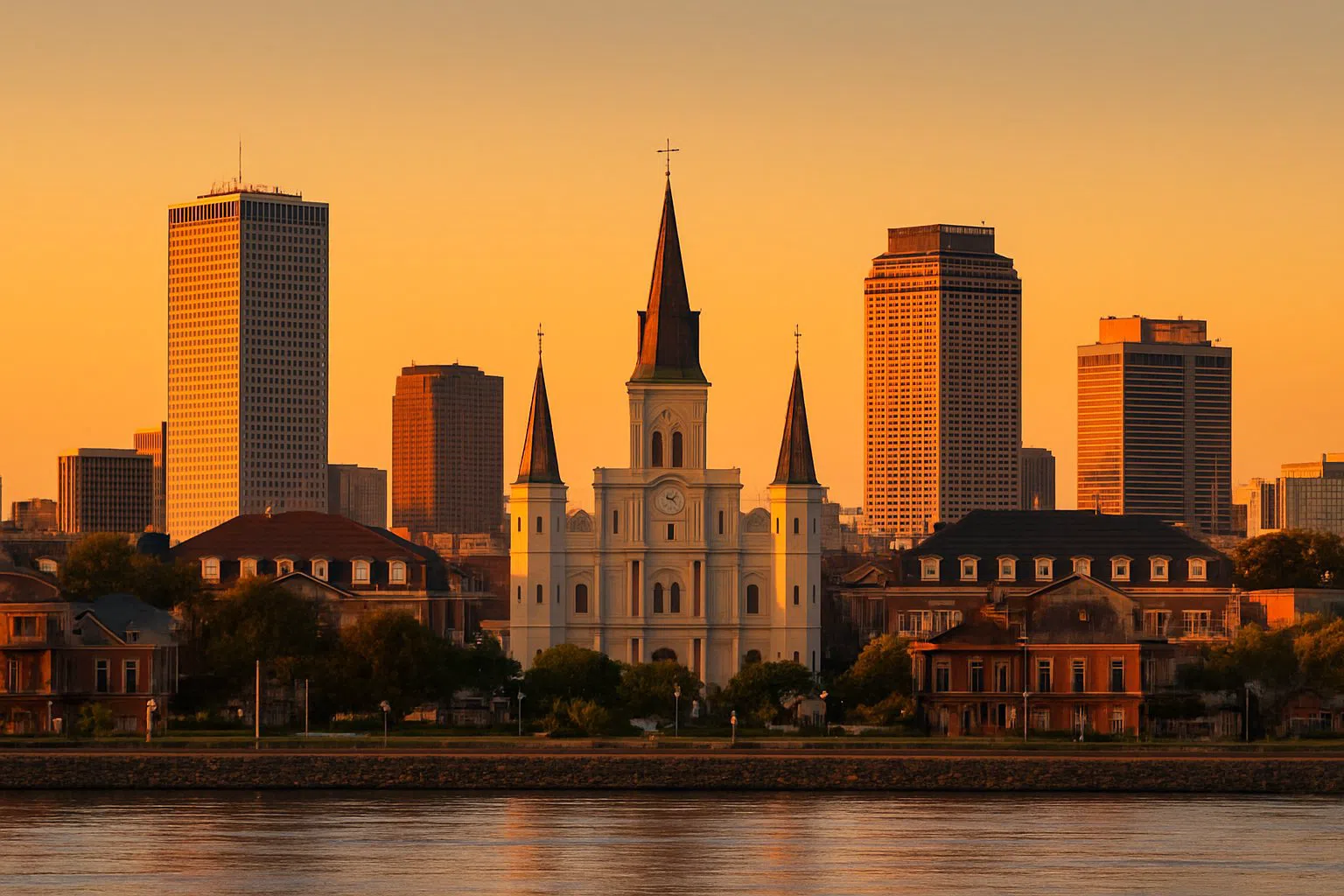
New Orleans
New Orleans operates on a different frequency than the rest of the country.
Guests & rooms
The New Orleans guide
An insider’s read on New Orleans
NNew Orleans operates on a different frequency than the rest of the country.
Founded as a French outpost in 1718, traded to the Spanish, and later sold to the United States, the city's identity was forged through colonial collision, the brutal trade of enslaved West Africans, and a massive influx of Haitian refugees. This complex demographic layering created a distinct Creole culture that predates the Americanization of the region. Today, the character of the city is defined by a refusal to rush, a deep reverence for ancestral traditions like second-line parades and Mardi Gras Indians, and an enduring resilience in the face of environmental vulnerability.
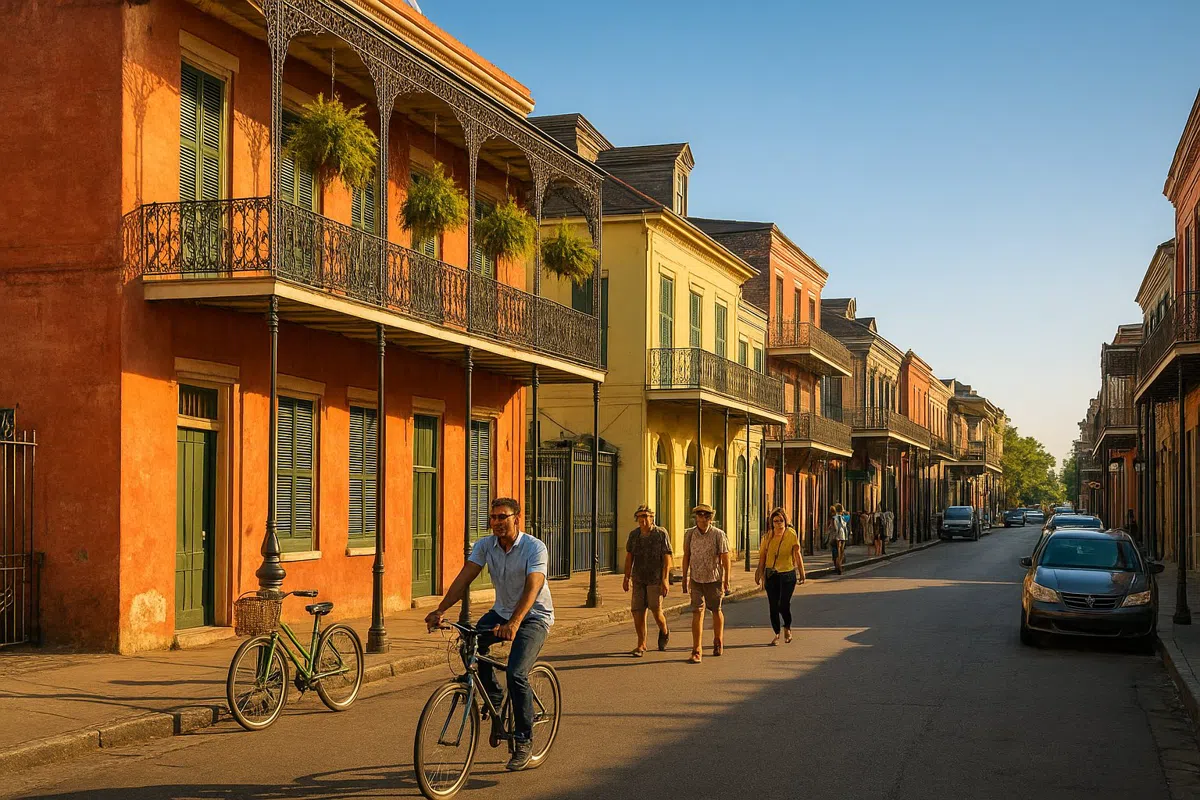
PLATE INew Orleans, United States
Guides & ideas
The New Orleans reading list
Hand-written guides from our editors — itineraries, the best of after dark, where to eat, and what’s genuinely worth your time.

Your First Day Walking Magazine Street in New Orleans
Magazine Street runs six miles, and only about two of them matter on a first visit. This is the walk, with the timings, the prices and the doors that will turn you away.
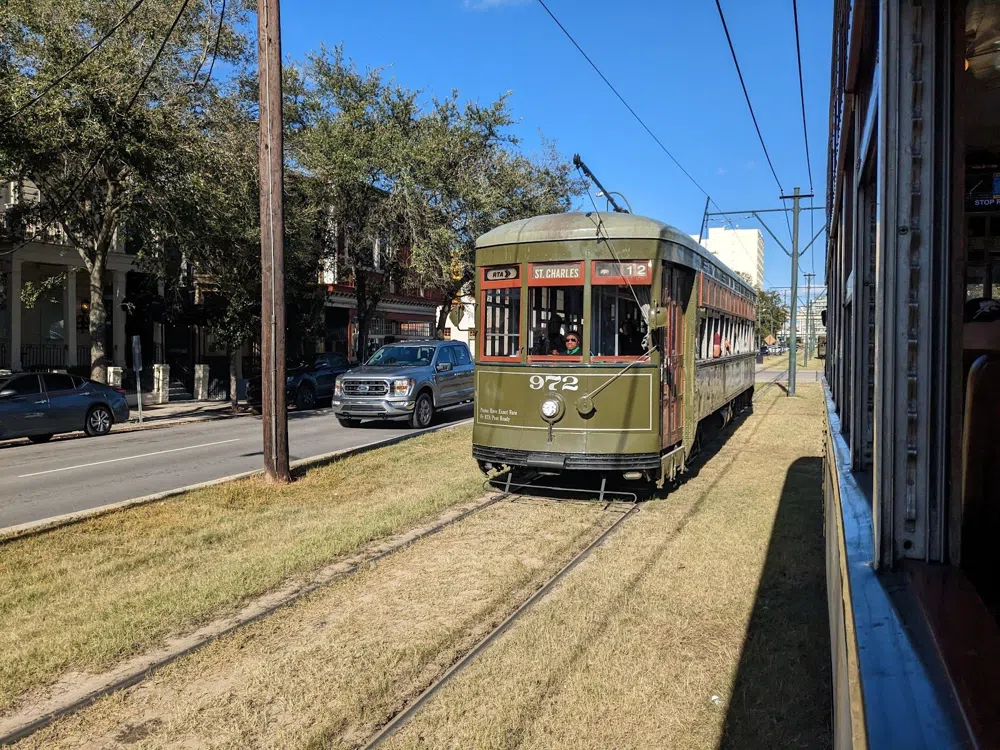
New Orleans by Streetcar, Ferry and Pedicab
Four streetcar lines, a $2 river crossing and a pedicab for the awkward ten blocks: how to reach every corner of New Orleans without renting a car.

Eating and Dancing Through New Orleans Funk Fest 2026
Three days at Funk Fest on the New Orleans riverfront, and the lunches, late sets and sit-down dinners that fit around the gate times.

New Orleans in September Without Losing a Day to the Heat
September is the cheapest month to be in New Orleans and the trickiest to plan, because the heat and the afternoon storms set your hours, and hurricane season is one risk you can watch approaching instead of one that ambushes you.
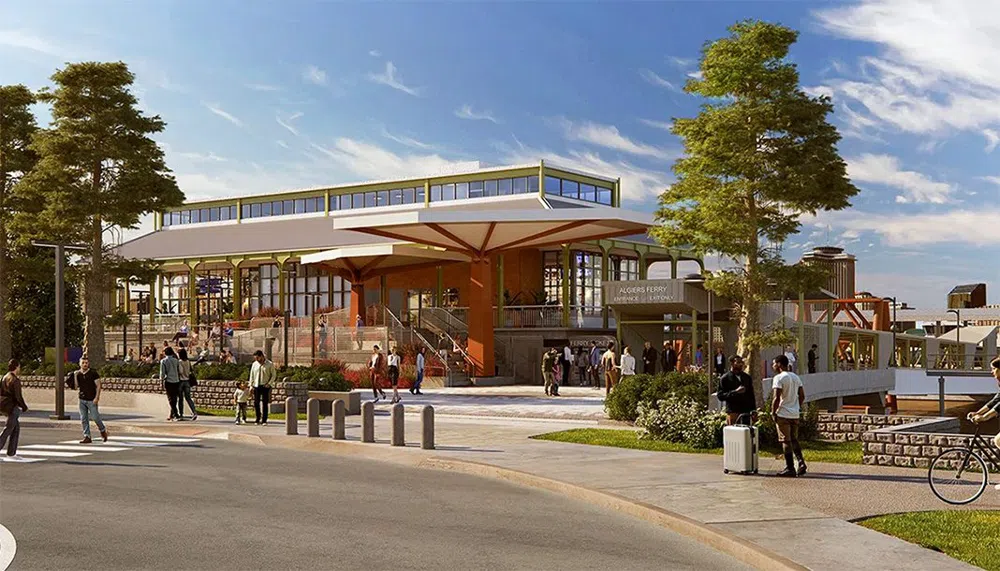
New Orleans by Streetcar from Canal Street to the Riverbend
How to ride the St Charles line out of the French Quarter and spend a day getting off at the stops that are worth it: museums, Creole landmarks, a free mansion and the best porch in Uptown.
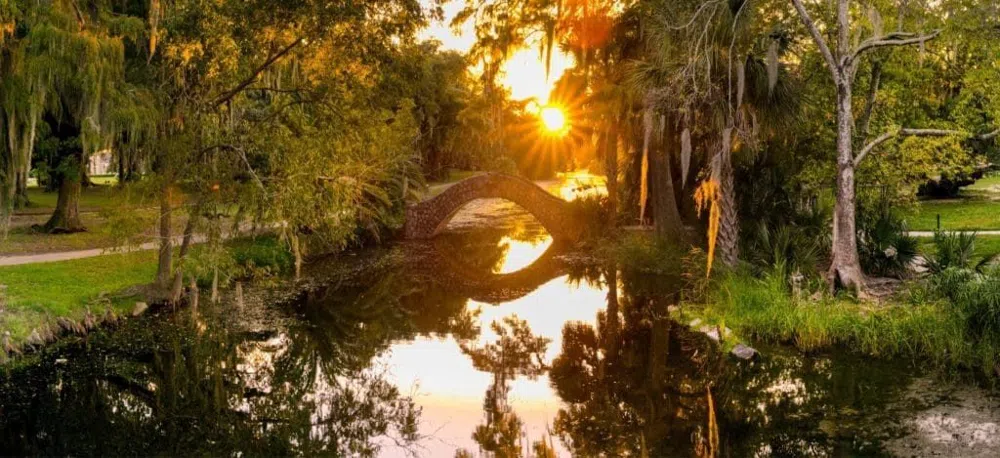
New Orleans for Kids, from City Park to the Bywater
The rides, museums, splash parks and po-boy counters that make a family day work once you leave the French Quarter behind, plus the 2026 closure dates that will otherwise ruin it.
Where to base yourself
The neighborhoods
01
French Quarter (Vieux Carré)
For First-time visitors who want to be steps from major historic landmarks. The trade-off is constant noise, high tourist density, and aggressive street hustlers.
The historic heart of the city, defined by Spanish colonial architecture, wrought-iron balconies, and hidden courtyards. It is a sensory overload of street musicians, historic bars, and the scent of powdered sugar and stale beer.
Where to stay — Historic hotels with interior courtyards, away from the immediate noise of Bourbon Street.
02
Faubourg Marigny
For Music lovers and travelers seeking a local, artsy vibe. The trade-off is that Frenchmen Street can get highly congested on weekends, and parking is nearly impossible.
Directly downriver from the French Quarter, this neighborhood features colorful Creole cottages, a bohemian atmosphere, and Frenchmen Street, the city's premier strip for live music.
Where to stay — Boutique guesthouses and converted historic properties.
03
Bywater
For Younger travelers, artists, and food lovers looking for natural wine bars and creative dining. The trade-off is that it is geographically isolated from the rest of the city and lacks direct streetcar access.
A gritty-turned-trendy neighborhood further downriver, filled with industrial warehouses, colorful shotgun houses, street art, and a highly independent culinary and bar scene.
Where to stay — Airbnbs or small, independent boutique lodgings.
04
Garden District
For Architecture enthusiasts and travelers seeking quiet, historic elegance. The trade-off is a lack of nightlife and limited dining options directly within the residential zone.
An affluent residential enclave of grand Greek Revival and Italianate mansions, manicured gardens, and massive live oak trees dripping with Spanish moss.
Where to stay — Historic grand hotels along St. Charles Avenue.
05
Central Business District & Warehouse District
For Business travelers, art collectors, and luxury seekers. The trade-off is that it lacks the historic residential feel of the older neighborhoods.
A sleek mix of high-rise offices, converted brick warehouses, contemporary art galleries, and some of the city's most acclaimed modern restaurants.
Where to stay — Modern luxury hotels and trendy boutique properties.
06
Tremé
For Cultural purists and music historians. The trade-off is that some areas require heightened safety awareness, especially after dark.
The oldest African-American neighborhood in the United States, rich in civil rights history, brass band culture, and Mardi Gras Indian traditions.
Where to stay — Local bed-and-breakfasts run by neighborhood residents.
Book direct
Book a hotel in New Orleans
Loading live availability and real-time prices…
Where to eat
Dining
Pêche Seafood Grill
€€€Warehouse District
Inspired by South American and Spanish open-fire cooking, this rustic-chic spot serves the freshest Gulf fish cooked over a live-wood grill.
Signature — Wood-fired whole fish with salsa verde
GW Fins
€€€€French Quarter
A refined dining room utilizing a proprietary culinary technique to ensure fish is served at its absolute peak of freshness.
Signature — Sizzling Black Halibut
Cochon Restaurant
€€€Warehouse District
While famous for pork, their wood-fired seafood dishes showcase rustic Cajun flavors at their finest.
Signature — Wood-fired oysters with chili garlic butter
Brigtsen's
€€€Riverbend
Chef Frank Brigtsen delivers soul-satisfying, traditional Creole-Acadian seafood in a cozy, converted Victorian cottage.
Signature — Butternut shrimp bisque
Doris Metropolitan
€€€€French Quarter
A sophisticated dry-aging program meets Middle Eastern flavor profiles in a sleek, modern dining room.
Signature — Classically dry-aged bone-in ribeye
Crescent City Steaks
€€€Mid-City
Louisiana's oldest family-owned steakhouse, serving prime beef sizzling in butter since 1934.
Signature — Ribeye sizzling in melted butter
La Boca
€€€Warehouse District
An authentic Argentine steakhouse offering a lively atmosphere and lesser-known, highly flavorful cuts of beef.
Signature — Vacio (flank steak) with house-made chimichurri
Commander's Palace
€€€€Garden District
The undisputed temple of Haute Creole cuisine, famous for its blue-and-white striped exterior and legendary service.
Signature — Turtle soup finished tableside with sherry
Galatoire's
€€€French Quarter
A jackets-required Bourbon Street institution where locals engage in long, boozy Friday lunch rituals.
Signature — Trout Amandine
Dooky Chase
€€Tremé
A historic civil rights landmark where Leah Chase, the Queen of Creole Cuisine, perfected traditional soul food.
Signature — Creole Gumbo
Arnaud's
€€€€French Quarter
A grand dame of Creole dining featuring a labyrinth of dining rooms and an on-site Mardi Gras museum.
Signature — Shrimp Arnaud (cold shrimp in a fiery remoulade)
Antoine's
€€€€French Quarter
The oldest continuously operating restaurant in America, serving French-Creole classics since 1840.
Signature — Oysters Rockefeller (invented here)
Coop's Place
€French Quarter
A gritty, no-nonsense dive bar that happens to serve some of the most authentic, deeply flavored Cajun food in the city.
Signature — Rabbit and sausage jambalaya
Saint Germain
€€€€Bywater
An intimate, multi-course tasting menu experience focusing on French culinary techniques and natural fermentation.
Signature — House-cured charcuterie and seasonal tasting menu
Jewel of the South
€€€French Quarter
Tucked inside a 19th-century cottage, this venue pairs world-class cocktails with refined, modern British-Creole fare.
Signature — Caviar with traditional crumpets
Compère Lapin
€€€Warehouse District
Chef Nina Compton masterfully fuses her Caribbean heritage with classic French and Italian techniques.
Signature — Curried goat with sweet potato gnocchi
Parkway Bakery & Tavern
€Mid-City
Overlooking Bayou St. John, this historic tavern serves what is widely considered the gold standard of roast beef po-boys.
Signature — Hot roast beef po-boy with gravy, 'dressed'
Turkey and the Wolf
€Irish Channel
A quirky, nostalgic sandwich shop that turns childhood lunchbox staples into culinary masterpieces.
Signature — Fried bologna sandwich with potato chips
Domilise's Po-Boy & Bar
€Uptown
A yellow-clad corner cottage where generations of locals have gathered for classic, crispy seafood po-boys.
Signature — Half-and-half (shrimp and oyster) po-boy
Sweet Soulfood
€Tremé
A casual cafeteria-style spot serving up vegan interpretations of classic Southern soul food.
Signature — Vegan mac and cheese with okra gumbo
Sneaky Pickle / Bar Brine
€€Bywater
A vegetable-forward daytime cafe that transforms into a hip dinner spot with inventive plant-based dishes.
Signature — Tempeh Reuben
After dark
Nightlife
The Saint Bar & Lounge
Lower Garden District
A legendary, dark dive bar with a packed, sweaty dance floor that doesn't get going until well after midnight.
Rabbit Hole
Central City
An underground, multi-level venue hosting local and touring electronic DJs with a spacious outdoor patio.
The Carousel Bar & Lounge
French Quarter
Located inside the Hotel Monteleone, this historic bar features a 25-seat, rotating carousel that has been spinning since 1949.
Arnaud's French 75 Bar
French Quarter
A sophisticated, vintage parlor serving impeccably crafted classic cocktails under the guidance of master bartenders.
Cure
Uptown
Housed in a beautifully restored former firehouse, this bar is credited with pioneering the city's modern cocktail revival.
Hot Tin
Garden District
A penthouse rooftop bar at the Pontchartrain Hotel offering panoramic views of the downtown skyline and the Mississippi River.
Bar Marilou
CBD
A lush, French-style salon set in the former library of a historic city hall, featuring red-painted walls and book-lined alcoves.
The Elysian Bar
Marigny
Situated in a converted church rectory, this stunningly designed bar serves low-intervention wines and aperitifs.
Preservation Hall
French Quarter
An acoustic-only sanctuary dedicated to preserving traditional New Orleans jazz in a rustic, historic room with no air conditioning.
The Spotted Cat Music Club
Marigny
The quintessential Frenchmen Street jazz club, tiny and packed, where patrons stand inches from the performers.
Maple Leaf Bar
Uptown
One of the longest-running music clubs in the city, famous for hosting legendary brass bands on Tuesday nights.
Snug Harbor Jazz Bistro
Marigny
The premier listening room in the city for modern, professional jazz, featuring seated performances by local legends.
Tipitina's
Uptown
A legendary music hall dedicated to the memory of Professor Longhair, hosting major local and national acts.
Kermit's Tremé Mother-in-Law Lounge
Tremé
Owned by brass legend Kermit Ruffins, this neighborhood spot is a vibrant celebration of local community and music.
Art & history
Culture
The National WWII Museum
Warehouse District
A massive, world-class institution featuring immersive exhibits, historic aircraft, and deeply personal oral histories.
New Orleans Museum of Art (NOMA)
Mid-City
Set within the scenic expanse of City Park, featuring an impressive collection of European and American art and a spectacular outdoor sculpture garden.
Backstreet Cultural Museum
Tremé
An invaluable, community-run museum documenting the history of Mardi Gras Indians, social aid and pleasure clubs, and jazz funerals.
St. Louis Cathedral
French Quarter
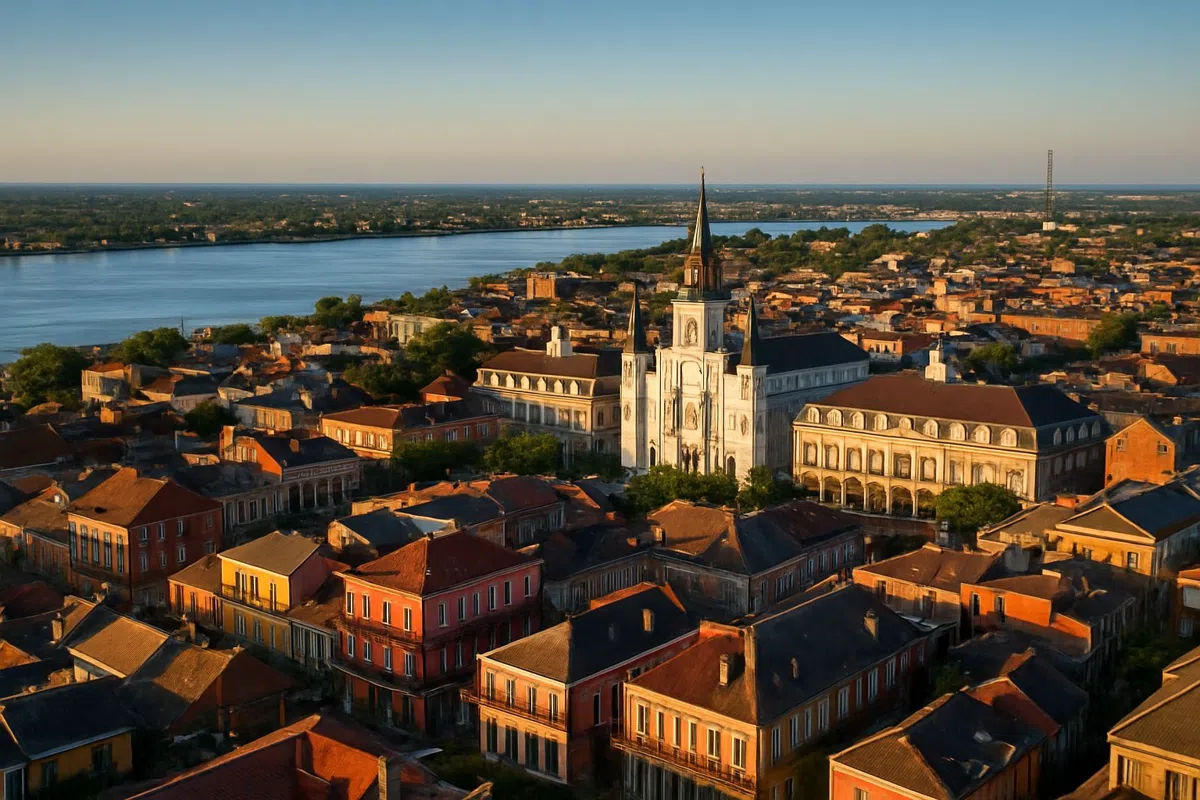
The oldest continuously active Roman Catholic cathedral in the United States, dominating the Jackson Square skyline.
St. Louis Cemetery No. 1
Tremé
The city's oldest above-ground cemetery, home to the tomb of Voodoo Queen Marie Laveau.
Pitot House
Mid-City
An 18th-century Creole country cottage situated on Bayou St. John, showcasing early colonial life and architecture.
M.S. Rau
French Quarter
A world-renowned gallery specializing in museum-quality fine art, rare antiques, and exquisite estate jewelry.
Arthur Roger Gallery
Warehouse District
A cornerstone of the local contemporary art scene, representing prominent regional and national artists.
Stella Jones Gallery
CBD
A significant gallery dedicated to showcasing the work of African-American and African diaspora artists.
Book ahead
Top-rated experiences in New Orleans

Ghosts, Gods, & Gangsters of New Orleans
from $27

Private Luxury New Orleans City Tour by La Vie NOLA – Highlights
from $535

Historic Garden District Walking Tour
from $35

Private French Quarter & Garden District Tour: Walk and Drive Combo
from $475

Black History & Tremè Neighborhood Walking Tour
from $40

Airport, Group and Private Transportation
from $134

New Orleans Creole History and Culture Ride
from $55

New Orleans Culinary Bike Tour
from $104
Prices from Viator; we may earn a commission when you book — at no extra cost to you. Tours are sold and operated by Viator, the merchant of record. Ratings are collected by Viator and Tripadvisor.
Timing
When to visit
Spring
Spanning February through May, this is peak season. Mardi Gras, French Quarter Festival, and Jazz Fest crowd the calendar. Expect perfect weather, high hotel rates, and massive crowds.
Summer
June through August is characterized by oppressive heat, high humidity, and daily afternoon downpours. Hotel rates drop significantly, and events like Tales of the Cocktail cater to industry insiders.
Autumn
September to November brings cooler breezes and lower humidity. Hurricane season peaks in September, but October offers excellent street festivals and pleasant evening temperatures.
Winter
December and January feature crisp, damp cold. The city is quieter, decorated for the holidays, and offers easier restaurant reservations, though the Sugar Bowl brings brief crowds.
What it costs
Budgeting
Logistics
Getting around
From the airport
Louis Armstrong New Orleans International Airport (MSY) is located about 15 miles west of the city. Taxis charge a flat rate of approximately €35-€45 to the French Quarter or CBD. Rideshares are widely available. The regional transit authority runs the E2 Express bus, which is a highly economical option but takes longer.
Public transit
The historic streetcar lines (St. Charles, Canal Street, and Rampart) are iconic but slow, operating more as scenic journeys than rapid transit. A network of public buses covers areas the streetcars cannot reach.
Passes & tickets
The Jazzy Pass offers unlimited rides on streetcars and buses. It is highly affordable, costing around €3 for a day pass, and is best purchased digitally via the LePass mobile app.
On foot
The French Quarter, Marigny, and Central Business District are exceptionally walkable. However, sidewalks throughout the city are notoriously uneven, cracked by tree roots and shifting soil, requiring constant attention to your footing.
Travel smart
Safety & etiquette
Local etiquette
- •Always tip service staff generously; 18-20% is the standard expectation in restaurants and bars.
- •Do not treat the city like a theme park; remember that locals live and work in the French Quarter.
- •If you join a second-line parade, respect the space of the brass band and the host club members.
From the ground
Practical tips
1
Download the LePass app before you arrive to easily purchase digital streetcar and bus passes.
2
Pack comfortable, closed-toe shoes that you do not mind getting dirty; the streets can be wet and uneven.
3
Always ask for a 'go-cup' if you have not finished your drink when leaving a bar.
4
Book reservations for legendary dining rooms like Galatoire's or Commander's Palace several months in advance.
5
Avoid visiting in August or September if you are sensitive to extreme heat or wish to avoid the peak of hurricane season.
6
Do not buy plastic beads from street vendors; they are environmental hazards and are thrown for free during parades.
New Orleans FAQs
Is Bourbon Street worth visiting?
Only for a brief look. It is loud, heavily commercialized, and crowded with bachelor parties; head to Frenchmen Street for superior music and a more authentic atmosphere.
When is crawfish season?
The season generally runs from January through June, with the largest, most flavorful crawfish available during the peak spring months of March, April, and May.
Do I need to rent a car?
No, a car is generally a liability due to expensive hotel parking and poorly maintained streets. Walking, streetcars, and rideshares are sufficient unless you plan day trips.
Can you actually drink alcohol on the street?
Yes, public consumption of alcohol is legal throughout the city, but your drink must be in a plastic cup; glass containers are strictly prohibited on the streets.